India secures lower tariff tier in US trade talks, reshaping export competitiveness against China
India's tariff deal with the US enhances its export competitiveness, but future US-China relations and sector-specific duties pose risks. The post India secures lower tariff tier in US trade talks, reshaping export competitiveness against China appeared first on Crypto Briefing.
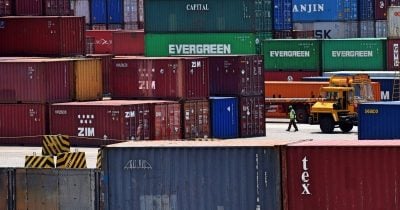
India secures lower tariff tier in US trade talks, reshaping export competitiveness against China The deal locks in a 10% tariff on most Indian exports to the US, undercutting the originally proposed 12.5% rate and giving New Delhi a strategic edge in key manufacturing sectors. Share Add us on Google by Editorial Team Jul.
26, 2026 India just pulled off something that most trading partners of the current US administration have struggled to do: it negotiated its tariffs down instead of up. The country secured a permanent 10% US tariff on most of its exports, dodging a proposed 12.5% rate that would have applied across the board.
The new structure covers approximately 70% of Indian exports to the US, effective June 2026. What India actually got The deal didn’t materialize overnight. Negotiations kicked off in February 2025, and the path to this outcome included an interim agreement in February 2026 that first slashed reciprocal tariffs from 25% to 18%.
Advertisement Now, India has pushed that number even lower for the bulk of its exports. The 10% permanent rate applies to sectors like textiles, apparel, and leather goods, areas where India directly competes with countries facing far steeper US tariff walls. In return, India committed to reducing its own tariffs on US industrial goods, food, and agricultural products.
Commerce Minister Piyush Goyal has been clear about the strategy: India will not finalize any deal unless it retains a tariff advantage over competitors like China. There was also the Russian oil problem. An additional 25% tariff on Indian imports related to Russian oil purchases was lifted in early February 2026 after India signaled its willingness to reduce those purchases.
India’s decision to ban imports produced using forced labor was a key factor in securing the preferential tariff rate. Risks that haven’t gone away Before anyone gets too comfortable, there are meaningful caveats. The US is still investigating excess manufacturing capacity, a probe that could result in additional tariffs on specific sectors.
If Washington determines that Indian manufacturers are benefiting from subsidized overcapacity, the 10% rate could get supplemented with sector-specific duties. Minister Goyal’s insistence on maintaining a tariff edge over China also cuts both ways. It means India’s trade strategy is inherently reactive to whatever happens with US-China relations.
If Washington and Beijing reach their own accommodation, India’s preferential positioning could narrow quickly. The negotiations for a more comprehensive Bilateral Trade Agreement are still ongoing. What India has secured so far is significant, but it’s not the final word.
Market participants should be watching for how the remaining 30% of Indian exports, those not covered by the 10% rate, get treated in subsequent rounds. Disclosure: This article was edited by Editorial Team. For more information on how we create and review content, see our Editorial Policy.
MACRO India secures lower tariff tier in US trade talks, reshaping export competitiveness against China The deal locks in a 10% tariff on most Indian exports to the US, undercutting the originally proposed 12.5% rate and giving New Delhi a strategic edge in key manufacturing sectors. by Editorial Team Jul.
26, 2026 Share Add us on Google India just pulled off something that most trading partners of the current US administration have struggled to do: it negotiated its tariffs down instead of up. The country secured a permanent 10% US tariff on most of its exports, dodging a proposed 12.5% rate that would have applied across the board.
The new structure covers approximately 70% of Indian exports to the US, effective June 2026. What India actually got The deal didn’t materialize overnight. Negotiations kicked off in February 2025, and the path to this outcome included an interim agreement in February 2026 that first slashed reciprocal tariffs from 25% to 18%.
Advertisement Now, India has pushed that number even lower for the bulk of its exports. The 10% permanent rate applies to sectors like textiles, apparel, and leather goods, areas where India directly competes with countries facing far steeper US tariff walls. In return, India committed to reducing its own tariffs on US industrial goods, food, and agricultural products.
Commerce Minister Piyush Goyal has been clear about the strategy: India will not finalize any deal unless it retains a tariff advantage over competitors like China. There was also the Russian oil problem. An additional 25% tariff on Indian imports related to Russian oil purchases was lifted in early February 2026 after India signaled its willingness to reduce those purchases.
India’s decision to ban imports produced using forced labor was a key factor in securing the preferential tariff rate. Risks that haven’t gone away Before anyone gets too comfortable, there are meaningful caveats. The US is still investigating excess manufacturing capacity, a probe that could result i
Đọc thêm từ Tiền số / Crypto
Unidentified object collides with oil tanker in Red Sea, vessel safe
The incident highlights persistent maritime security threats in the Red Sea, potentially affecting regional shipping routes and market stability. The post Unidentified object collides with oil tanker in Red Sea, vessel safe appeared first on Crypto Briefing.
Bitcoin Crash: Strategy Says It's Ready for Worst-Case Scenario
Strategy reveals stress test based on its current capital structure as Bitcoin price drops.

BitMart’s BMX token falls over 55% in 24 hours as exchange announces full shutdown
The shutdown of BitMart highlights vulnerabilities in centralized exchanges, raising concerns about token stability and user asset security. The post BitMart’s BMX token falls over 55% in 24 hours as exchange announces full shutdown appeared first on Crypto Briefing.

Here’s What Tesla Did With Its Bitcoin Holdings in Q2 2026
Did the company followed the current trend of reducing its BTC exposure?