ICE says relaxed detention standards 'reduce the burden' on contractors running its lockups
Contractors running Immigration and Customs Enforcement facilities can rely more heavily on artificial intelligence tools to communicate with detainees and continue refusing to pay wages for detainees’ “voluntary work."
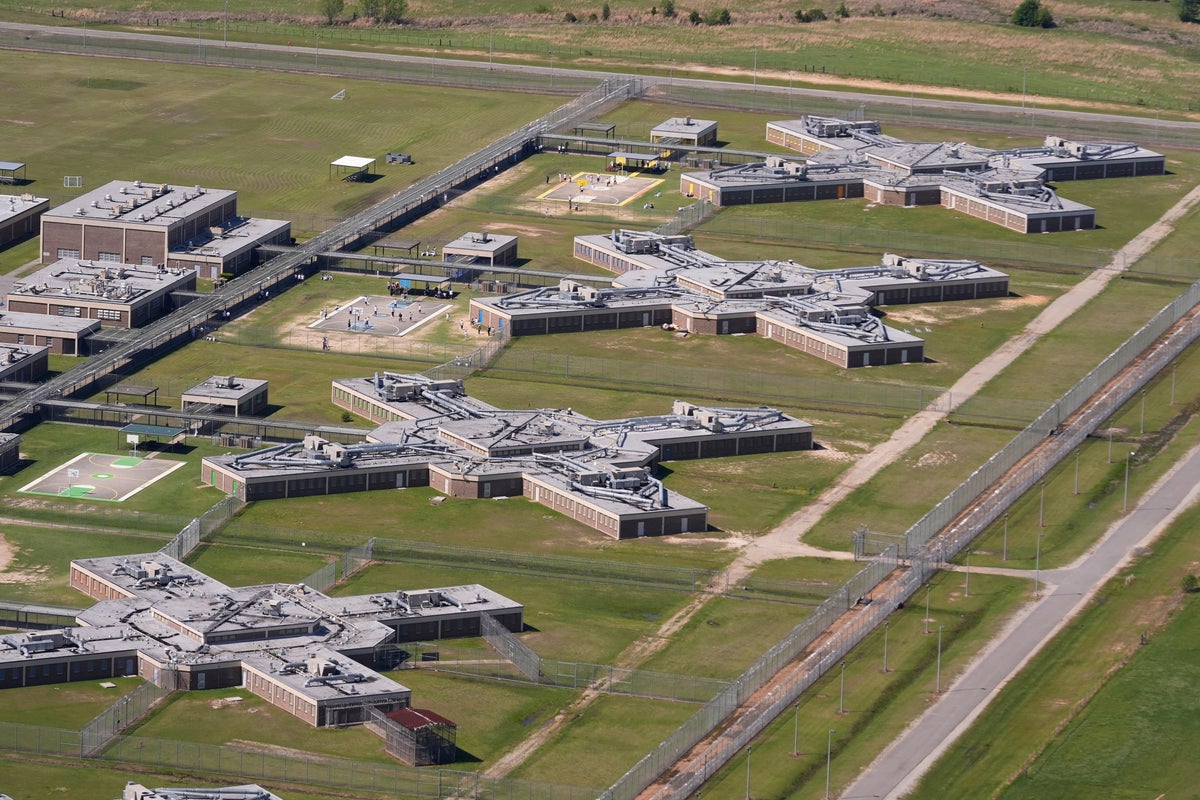
Contractors running Immigration and Customs Enforcement facilities can rely more heavily on artificial intelligence tools to communicate with detainees and continue refusing to pay the minimum wage for detainees’ “voluntary work,” under relaxed detention standards released Monday.ICE said the standards, which apply to for-profit contractors and jails that hold detainees, were revised to “reduce the burden on our detention operators.” Experts said the changes would help contractors limit legal liability, reduce costs and get more operational flexibility while doing little, if anything, to improve conditions for roughly 60,000 people currently detained.
“100% it’s going to result in deterioration of already problematic conditions of detention,” said Michelle Brane, a former Department of Homeland Security ombudsman who oversaw immigration detention practices during part of the Biden administration. “It’s consistent with their general practice, which is to eliminate accountability and oversight. They are not concerned with people’s basic rights or safety of detainees.”
The revisions come as ICE detention facilities are reporting deaths in unprecedented numbers and face accusations of medical neglect, inadequate food and other inhumane conditions. They come as ICE is flush with cash, receiving more than half of the $70 billion immigration enforcement spending bill signed by President Donald Trump last week.Dr.
Sanjay Basu, an public health researcher who has studied ICE custody deaths, said the changes include “genuine improvements” to suicide prevention standards and mental health care. But he said the overall trajectory is “toward weaker standards governing a growing share of the detained population.”ICE said the changes streamline its rules and move toward more relaxed standards used by the U.
S. Marshals Service to hold pretrial federal inmates in jails. The agency said it considered input from operators “alongside operational, legal and policy requirements when making a final decision."
Dr. Homer Venters, an expert on correctional health care, said the changes could curtail access to language assistance by eliminating mandates that required in-person and telephone interpretation and translation services. New standard allows use of AI The revised standard says facilities can use artificial intelligence tools such as machine-learning-based translation or generative AI for “noncritical communication” or “informal interactions with detainees.”
That communication could include giving and receiving information to or from detainees during intake, having conversations with detainees in housing units and responding to a detainee’s grievance or other concerns, it says.Venters called the changes alarming because grievances often include “very urgent or even emergent information such as when a patient has been denied lifesaving care.” He said the rule also leaves unclear whether health assessments, crucial to flagging medical and mental health conditions, could be conducted through AI.
ICE said the standards ensure contractors provide interpretation and translation services “at no cost to the detainees.”Several experts said they were concerned by a change that bars facility operators from refusing to admit any detainee ICE sends them.The change means facilities may not be able to immediately refer severely ill or disabled detainees whom they cannot accommodate to hospitals or other settings for care — but it could reduce their liability for subsequent deaths.
A related rule change requires facilities to request that ICE transfer detainees they cannot serve elsewhere, but that might not happen for several days after they are admitted. A favor to contractors New language making clear that detainees who participate in voluntary work programs are not employees and therefore not entitled to wages and benefits “is a favor” to ICE’s for-profit contractors, said Dora Schriro, former director of ICE’s Office of Detention Policy and Planning during the Obama administration.For years, advocates for detainees have argued in lawsuits that these programs, in which detainees receive a stipend of as little as $1 per work day, amount to forced labor.
The lawsuits have sought millions of dollars in unpaid wages from ICE contractors like GeoGroup and CoreCivic, and now they could face tougher odds of success by strengthening their legal defenses, Schriro said.Another change bars facilities from paying above the longtime $1-per-day minimum stipend, which was allowed under the previous standard and an argument that had been used against contractors in court, said Carmen Iguina Gonzalez, an immigration detention expert at the American Civil Liberties Union.Claire Trickler-McNulty, a former DHS and ICE official who is an expert on detention standards, said ICE could use its increased budget to improve conditions instead of “lowering standards across the board.”
She recalled that under prior administrations, she pushed ICE facilities to add socce
Đọc thêm từ Thế giới

Trump’s Iran deal: Realpolitik triumphs — for now
Washington has a habit of dressing up its foreign policy in the language of moral purpose. Presidents invoke democracy, human rights, and the rules-based international order as if they were divine mandates rather than rhetorical conveniences. So there is something almost refreshi

Pope Leo praises US-Iran peace deal after repeatedly sparring with Trump over months-long conflict
Details of an interim agreement between the United States and Iran began to emerge Tuesday

12년 재판 끝 무죄 확정 전직 면장 원직 회복은 불허, 왜?
본문전국수도권12년 재판 끝 무죄 확정 전직 면장 원직 회복은 불허, 왜?송상호기자수정 2026-06-17 05:06펼침기사를 읽어드립니다Your browser does not support theaudio element.0:003월13일 경기 포천시청 앞에서 이홍용(가운데) 전 영북면장이 12년째 재판을 받고 있는 사건에 대한 기자회견을 하고 있다.
Iran and US to embark on two months of peace talks on June 19
Optimism was however dented by fresh Israeli strikes on south Lebanon, with Iran’s military vowing a “harsh response” to the attacks.