I Tested the Galaxy Watch Ultra 2 for a Week and It’s a Rugged Scene-Stealer
Samsung’s sporty smartwatch gets a larger battery, a faster Qualcomm processor, hands-free Gemini and new trail features. The catch? It also costs more.

Our expert, award-winning staff selects the products we cover and rigorously researches and tests our top picks. If you buy through our links, we may earn a commission. Samsung’s new rugged smartwatch hasn’t changed much on the outside, but the biggest upgrades on the Galaxy Watch Ultra 2 are all hiding inside.
It has a larger battery, more powerful processor and new adventure features to take you from the office to the trails without extra gear. At $700 ($50 more than the original Galaxy Watch Ultra), it’s the most expensive watch in Samsung’s lineup, but it’s also the most durable — and arguably the most interesting. I’ve spent the past week testing the Galaxy Watch Ultra 2, and while the verdict is still out on its long-term features, like health tracking and battery life, it’s clear that it can pull double-duty as both an adventure-ready companion and a luxury smartwatch.
Whether its $700 price tag is justified depends on what you’re looking for. If you want Samsung’s most rugged watch with the biggest battery, brightest display and the most outdoor features, it could be worth the premium. But if the package matters less than the core smartwatch features, you may be better off getting the standard Galaxy Watch 9 (or even older models) for nearly half the price.
The Galaxy Watch Ultra 2 keeps the squircle frame, but increases the size and brightness of the screen. Galaxy Watch Ultra 2: First impressions The Galaxy Watch Ultra 2 looks identical to the original. It has the same premium titanium case, sapphire crystal display, signature squircle design and three programmable physical buttons.
But look closer and you’ll notice a few subtle upgrades. The display is slightly larger (1.52” compared to 1.
5” on the original), even though the overall watch is smaller and lighter. Samsung also redesigned the bands, making them thinner and more breathable so the watch sits flatter against your wrist, which the company says improves sensor contact. The new clasp mechanism makes them easier to swap than traditional watch bands, though it also locks you into Samsung’s proprietary system.
A side-by-side look at the two new Galaxy Watches: Galaxy Watch 9 and Ultra 2.Andrew Lanxon/CNET The fact that I slept a few nights without ripping it off halfway through the night says a lot about a watch this size. I still wouldn’t choose to sleep with it long term, but it’s noticeably more comfortable than I expected.
Samsung watches already have the best displays in the business, and the Ultra 2 kicks it up a notch with an even brighter, 5,000-nit display (versus 3,000 nits on the original) that looks flawless even in harsh mid-morning summer sun. Galaxy Watch Ultra 2’s new trail running and diving features The Ultra 2 edges closer to sports watch territory with a dedicated trail-running mode that surfaces real-time climb and elevation data, has offline trail map access and hydration reminders. I live near a regional park with hundreds of trail options, and I’ve been frustrated by traditional smartwatches that don’t account for uneven terrain or give me enough credit for tackling extreme elevation changes.
I took the Galaxy Watch Ultra 2 on a trail run to test the new feature. After a 5-mile trail run through the Northern California hills, I was impressed by two things: turn-by-turn audio navigation and real-time elevation tracking. I don’t like wearing headphones when I trail run because I prefer to stay aware of my surroundings, so hearing directions through the watch speaker is the perfect solution.
It’s worth noting that getting a route onto the watch for those directions was tedious. Samsung says you’ll eventually be able to search for nearby trails directly from Google Maps, but that feature wasn’t ready during my testing, so I had to load a trail route from a .gpx file on my phone.
With real-time elevation tracking, the watch automatically broke my route into individual climbs and showed my progress. Having a live progress bar as I approach a hill gives me a tangible goal, making it easier to push through steeper sections. The trail-running feature on the Galaxy Watch Ultra 2 shows real-time elevation.
I was less enthused about the hydration reminders. I’d traded my water bottle for my tripod that day, so the three reminders I received during my hour-long trail run mostly fell on deaf ears. Considering the heat, I probably should have listened.
But because the reminders are based on AI estimates of hydration loss rather than a dedicated sensor that measures sweat loss directly, I found myself trusting them less. The Ultra 2 also debuts a recreational diving feature developed in partnership with Italian diving company Mares. Because it doesn’t track gas or oxygen consumption, it’s not meant to replace a dedicated dive computer.
Instead, it seems aimed at casual recreational divers who want basic dive information on a device they’re already wearing. The app won’t be available at launch, so I’ll reserve judgment until I can tes
Đọc thêm từ Công nghệ

Samsung teases its smart glasses, developed with Google, Warby Parker, and Gentle Monster, and says they will have nine-hour battery life and privacy features (Chris Welch/Bloomberg)
Chris Welch / Bloomberg: Samsung teases its smart glasses, developed with Google, Warby Parker, and Gentle Monster, and says they will have nine-hour battery life and privacy features — Samsung Electronics Co. showcased the smart glasses it developed in partnership with Alphabet

Samsung Galaxy Z Fold 8 hands-on: the passport-esque shape feels great and is immediately intuitive, but no telephoto lens, only IP48, and $1,900+ is pricey (Dominic Preston/The Verge)
Dominic Preston / The Verge: Samsung Galaxy Z Fold 8 hands-on: the passport-esque shape feels great and is immediately intuitive, but no telephoto lens, only IP48, and $1,900+ is pricey — A year after overhauling its Z Fold phone with a radically thinner design, Samsung has chang
I went hands-on with the Samsung Galaxy Z Flip 8, but it's not the upgrade I expected
The Samsung Galaxy Z Flip 8 received the much-needed battery upgrade, but not much else.
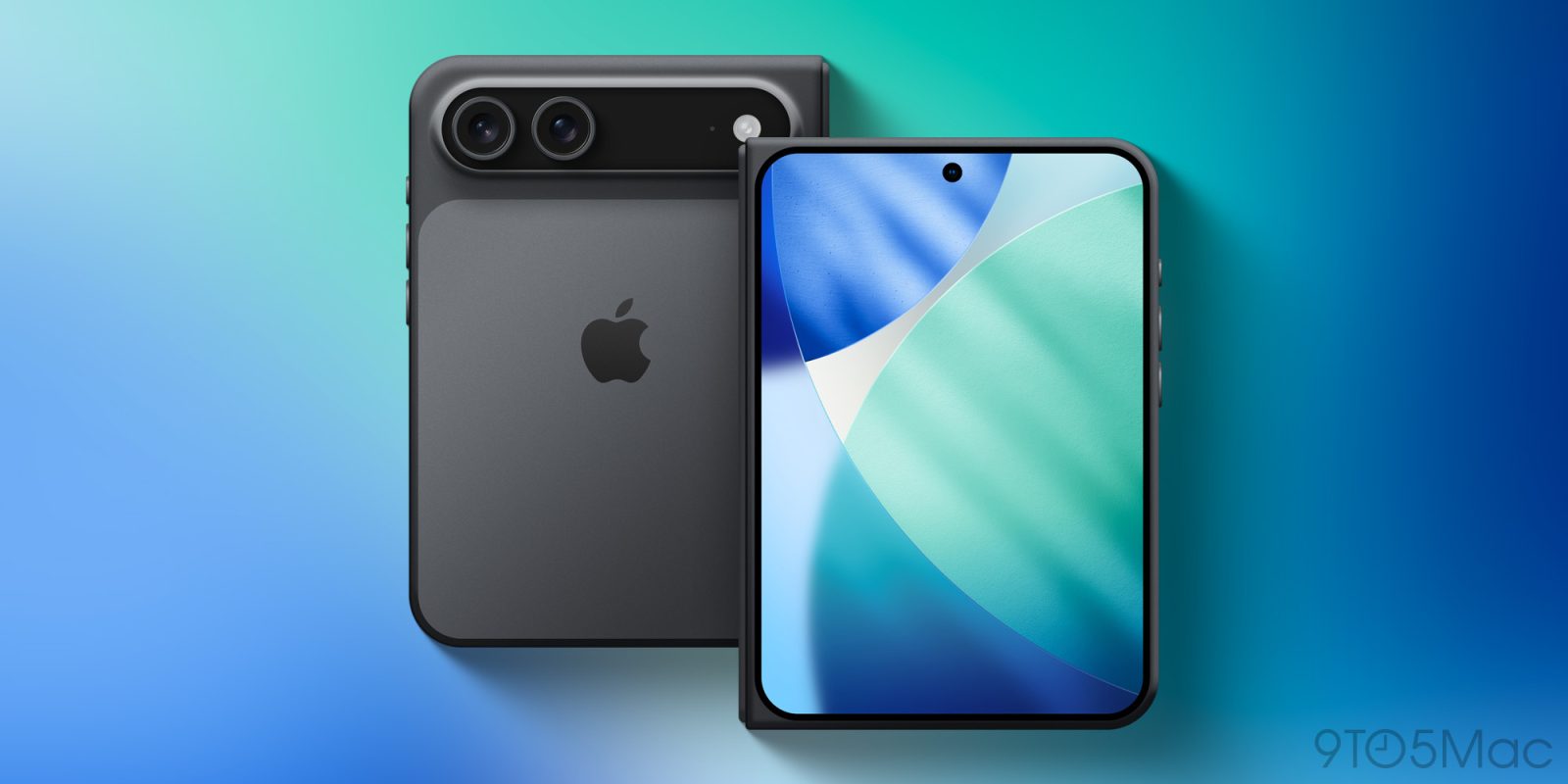
New iPhone screen sizes are launching this fall, here’s what’s coming
It’s not often that Apple debuts new iPhone screen sizes, but this fall the iPhone Ultra will introduce two displays in shapes and sizes never before used in iPhone. Here’s what to expect.