‘I have brain cancer. I never imagined I’d have to sell my home to fight for my life’
Jo Fuller, 51, said it was one of the ‘hardest decisions’ she had ever made but was her only hope of accessing treatment that may give her more time
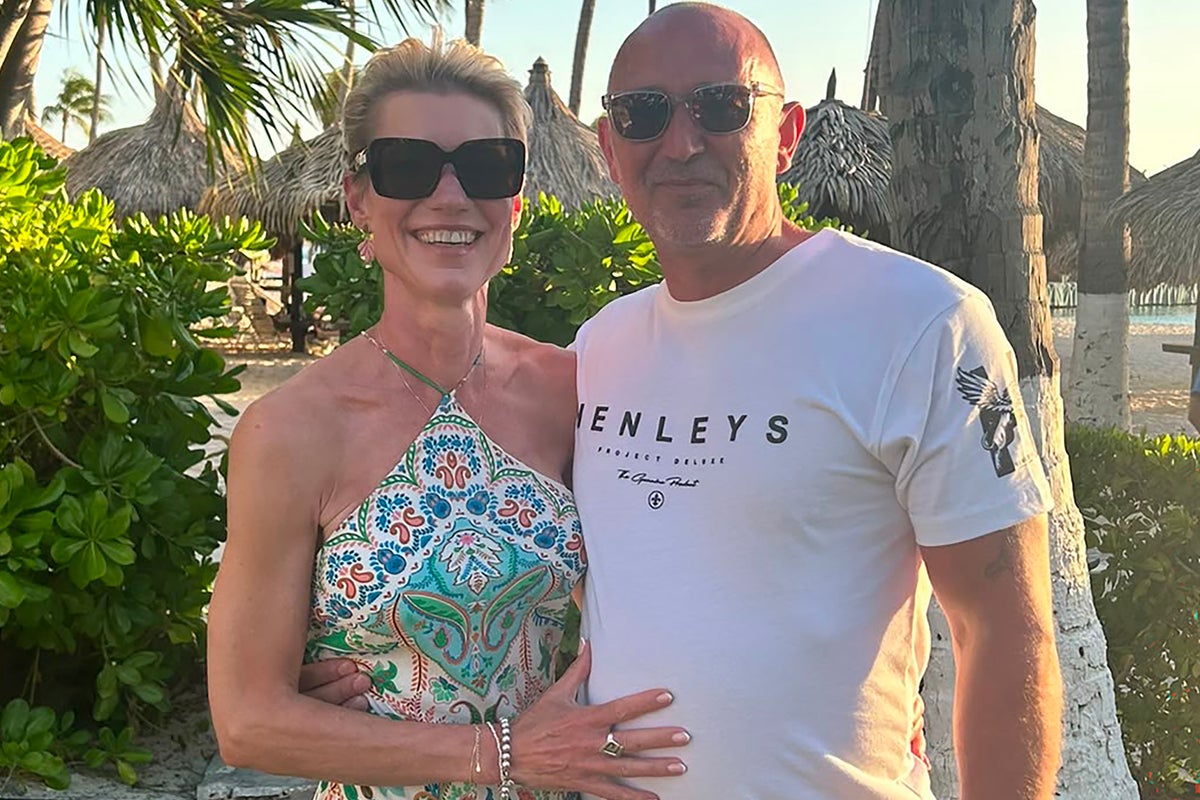
A woman with an aggressive form of brain cancer has revealed she sold her home to finance potentially life-extending treatment unavailable on the NHS. Jo Fuller, 51, described it as one of the "hardest decisions" she had ever made, but her sole hope for accessing care that might offer more time.Brain Tumour Research is now urging the government to invest in research and expand clinical trial access to spare patients such "difficult and costly decisions".
Mrs Fuller, a dyslexia specialist from East Leake, Nottinghamshire, was diagnosed with glioblastoma almost two years ago while on holiday in Australia. Around 3,200 people are diagnosed with it each year, with a third surviving beyond 12 months. Just 4 per cent of patients survive behind five years.
After standard treatments failed, she opted to sell her property for continued specialist care.She has funded hyperthermia treatment, which heats tumour tissues to between 42C and 43C, alongside regular consultations with an alternative oncologist, repurposed medication and nutritional supplements.Hyperthermia is used alongside radiotherapy and chemotherapy to make cancer cells more vulnerable to other therapies.
open image in galleryMrs Fuller has funded hyperthermia treatment – it is only used by specialist teams for certain cancers (PA)The treatment is not routinely funded or widely available on the NHS – it is only used by specialist teams for certain cancers, such as a specific type of bladder cancer.Its use to treat brain tumours is largely experimental, but can be accessed through trials or private clinics.Mrs Fuller said: “Selling my house was one of the hardest decisions I’ve ever made, but it became my only way of accessing treatments that might give me more time.
“I never imagined I’d have to sell my home simply to keep fighting for my life.”In December 2024, Mrs Fuller had travelled to Australia with her husband Wayne to spend Christmas with his family.The couple were planning to move to the country for two years and said it felt like their future was “falling into place”.
However, she collapsed on Boxing Day.“We’d been shopping for a family barbecue before relaxing outside overlooking the sea,” she said.“The next thing I remember was waking up on the dining room floor surrounded by paramedics.
I had no idea I’d suffered a seizure and stopped breathing.”Mrs Fuller was diagnosed with glioblastoma and had brain surgery in Australia.open image in galleryMrs Fuller, a dyslexia specialist from East Leake, Nottinghamshire, was diagnosed with glioblastoma almost two years ago while on holiday in Australia (PA)She described the experience as “terrifying”.
Mrs Fuller returned to the UK three and a half months later to have radiotherapy and chemotherapy.The couple also brought forward their planned handfasting – a symbolic marriage ritual – after being told not to delay important milestones.Mrs Fuller’s first post-treatment scan showed the tumour had continued to grow aggressively and spread across her brain.
She is no longer having hyperthermia treatment while she is off chemotherapy but continues to pay for three-monthly consultations, repurposed medication and supplements, which cost hundreds of pounds each month.Mrs Fuller has also put funds to one side in case future scans show her tumour has grown.In that case, she hopes to pursue IOZK immunotherapy treatment in Germany, which is not licensed in the UK.
She said: “I’ve always told myself I’ll be part of the 1% of long-term survivors.“I refuse to let glioblastoma decide my future, but there desperately needs to be more research so families like mine have better treatment options and more hope.”Dr Karen Noble, director of research, policy and innovation at Brain Tumour Research, said: “Jo’s story reflects the devastating reality faced by so many patients and families across the UK.
“With few options, some patients turn to treatments abroad, often unavailable in the UK and without any guarantee of better outcomes or improved quality of life, raising substantial funds to cover these costs.“We urgently need Government to increase the national investment in research and expand access to innovative trials here in the UK so patients are not faced with these difficult and costly decisions.”Mrs Fuller said: “I may not be able to change my own diagnosis, but I hope that by sharing my story I can help raise awareness of glioblastoma and the urgent need for more research.
“No one should have to sell their home to access treatments that might prolong their life, and no family should feel as though there are no more options simply because research hasn’t progressed quickly enough.“I hope that one day, people diagnosed with this disease will have far more hope than I was given, and that’s why I’ll keep telling my story.”A Department of Health and Social Care spokesperson said: “Our deepest sympathies are with Jo Fuller, and everyone impacted by glioblastoma and other brain tumours.
“Improving cancer research and care is a priorit
Đọc thêm từ Thế giới
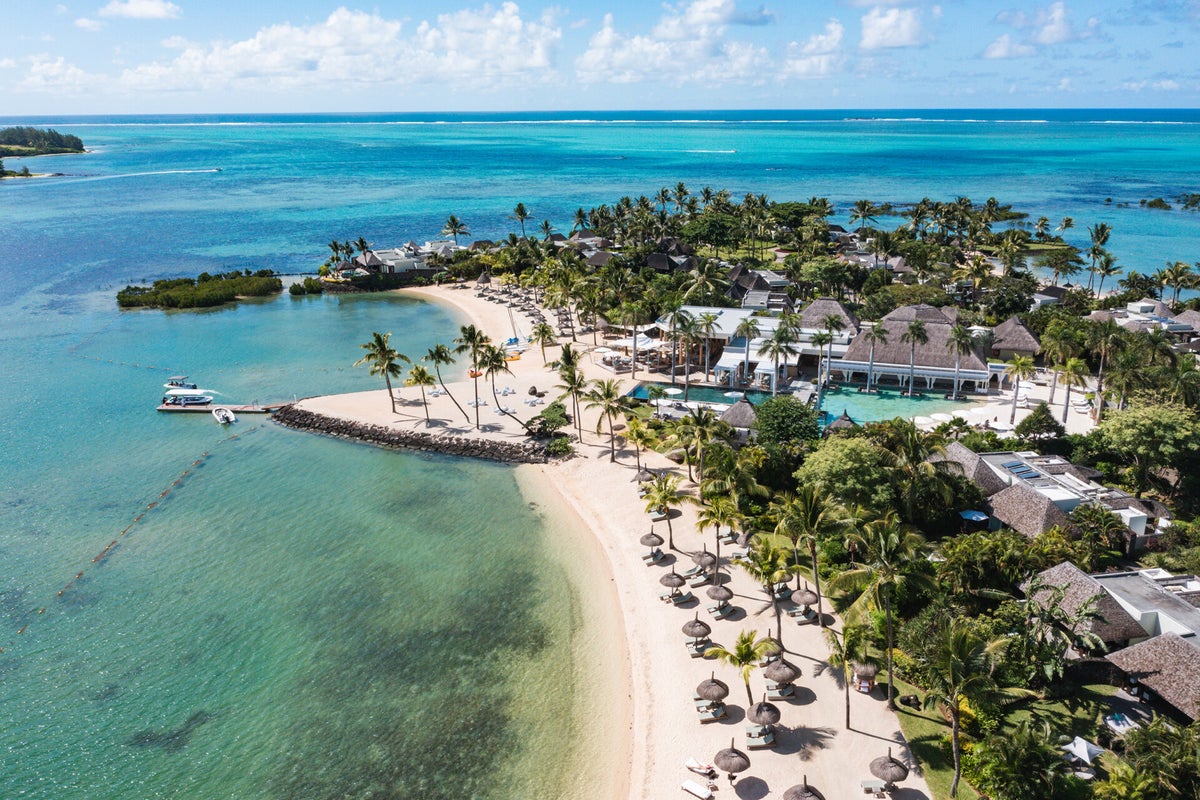
Our travel experts have found the best luxury hotels in Mauritius, from beachside stays to private islands
These spots offer the best facilities, service and restaurants on the Indian Ocean island
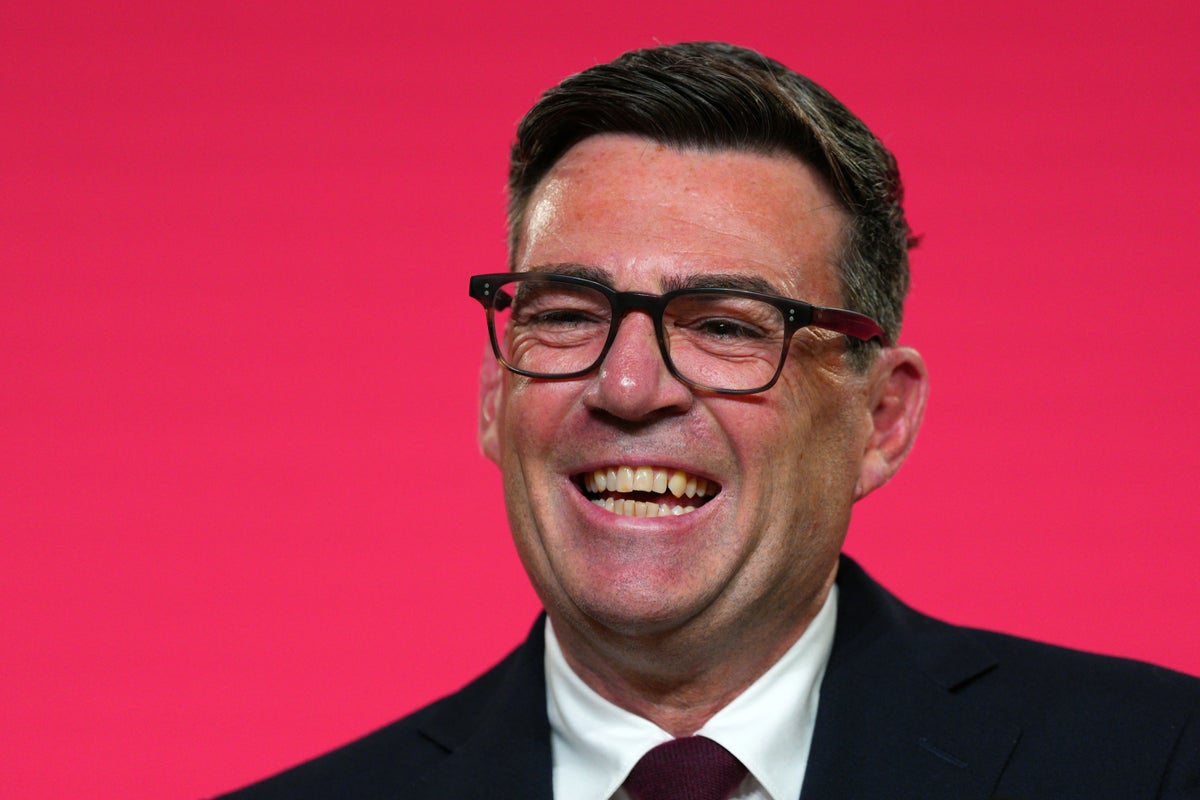
What Andy Burnham said as he is named new Labour leader
Andy Burnham speech live: New Labour leader vows not to ‘out-Reform Reform’ ahead of becoming PM

EU, '간판 기후변화 정책' ETS 전면 개편…산업계 부담 완화
(브뤼셀=연합뉴스) 현윤경 특파원 = 유럽연합(EU)이 역내 산업계와 일부 국가의 부담 완화 요구를 수용해 '간판' 기후변화 정책인 탄소배출...

Heavy rain forecast for central regions, gov't orders heightened alert
SEOUL, July 17 (Yonhap) -- Heavy rainfall is forecast to hit central parts of So...