Humanity's first look at the surface of Mars shared on 50th anniversary of historic NASA landing — Space photo of the week
NASA has unearthed the historic photos its Viking 1 lander sent home just after landing on Mars in July, 1976.
Live Science plus Get started to get free access to selected news stories, receive our daily newsletter, post comments, play games and earn badges. JOIN FREE Live Science pro Unlimited access to our exclusive features, expert analysis and in-depth interviews, all ad-free No ads, ever Exclusive, original reporting Scientist interviews and video Member-only features Join live science pro 10Member Features 24/7Access Available 25K+Active Members Exclusive Newsletters Science news direct to your inbox Member Competitions Win exclusive prizes Exclusive Content Premium articles & videos Early Access First to see new features Private Forums Connect with members Monthly Rewards Surprise gifts & perks GET LIVE SCIENCE PLUS It's quick and easy to access Live Science Plus, simply enter your email below. We'll send you a confirmation and sign you up for our daily newsletter, keeping you up to date with the latest science news.
Contact me with news and offers from other Future brands By submitting your information you agree to the Terms & Conditions and Privacy Policy and are aged 16 or over. FIND OUT ABOUT OUR MAGAZINE Want to subscribe to the magazine? Click the button below to find out more information.
Find out more 10Member Features 24/7Access Available 25K+Active Members Exclusive Newsletters Science news direct to your inbox Member Competitions Win exclusive prizes Exclusive Content Premium articles & videos Early Access First to see new features Private Forums Connect with members Monthly Rewards Surprise gifts & perks GET LIVE SCIENCE PLUS It's quick and easy to access Live Science Plus, simply enter your email below. We'll send you a confirmation and sign you up for our daily newsletter, keeping you up to date with the latest science news. Contact me with news and offers from other Future brands By submitting your information you agree to the Terms & Conditions and Privacy Policy and are aged 16 or over.
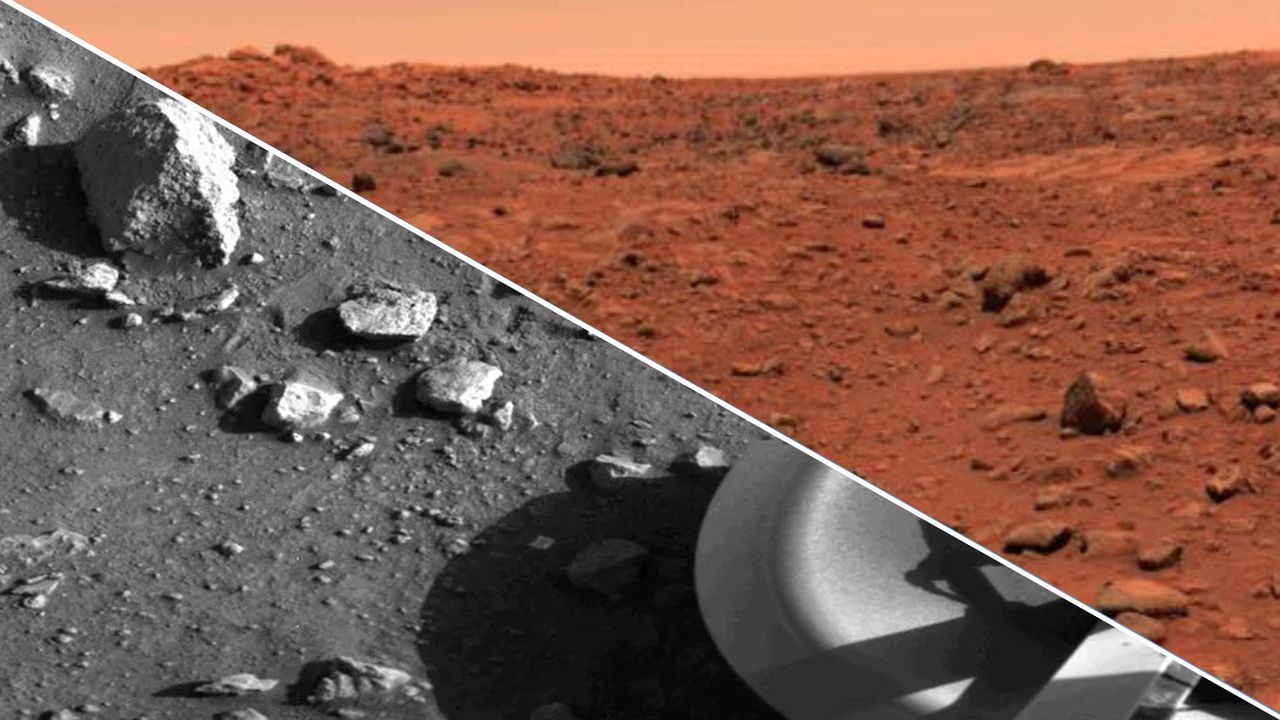
FIND OUT ABOUT OUR MAGAZINE Want to subscribe to the magazine? Click the button below to find out more information. Find out more A composite image showing two different images of Mars taken by NASA's Viking 1 lander in July, 1976.
(Image credit: NASA/JPL) Copy link Facebook X Reddit Pinterest Flipboard Share this article 0 Join the conversation Follow us Add us as a preferred source on Google Newsletter Subscribe to our newsletter About 40 minutes after it landed on Mars on July 20, 1976, NASA's Viking 1 lander sent this first photo from the surface of the Red Planet.(Image credit: NASA/JPL)Quick factsWhat it is: The surface of MarsWhere it is: 189 million miles (305 million kilometers) from EarthWhen it was shared: July 20, 2026.For thousands of years, humans looked at Mars and wondered what lay on its surface.
Fifty years ago this week, we finally found out when NASA's Viking 1 became the first spacecraft ever to land on the Red Planet and transmit images from its surface. It was humanity's first view from the surface of another planet.Viking 1 had been programmed to take its first image just 25 seconds after touchdown, according to NASA.
It occurred at 7:53 a.m. EDT on July 20, 1976 — exactly seven years after Apollo 11 landed on the moon.
It was supposed to coincide with the U.S. Bicentennial on July 4, 1976, but the landing was delayed by the search for a flat landing zone.
Although the spacecraft landed safely at Chryse Planitia, north of the equator, mission controllers still had to wait another 19 minutes for the radio signal confirming success to cross the 212 million miles (340 km) between Mars and Earth.Latest Videos FromLive ScienceWatch full video here: Forty minutes after touchdown, the confirming image began appearing on monitors at NASA's Jet Propulsion Laboratory, slowly building line by line from left to right. Dr.
Thomas Mutch, leader of the Viking lander imaging team, never forgot the moment."I studied the black screen, waiting for that narrow strip that will signal the first few lines of the first picture," he said. "Rocks and sand are visible and — finally at the far right — one of the spacecraft foot pads, a symbolic artifact that stamps our accomplishment with the sign of reality …
Time and time again I repeat, 'It's incredible.'"The image revealed a solid, slightly rocky surface, with dust and pebbles thrown up by the landing already settling back onto the spacecraft. Viking’s first color image came the next day, with a panorama following a few days later.
The first color image taken by the Viking I Lander in 1976.(Image credit: NASA)The Viking mission consisted of four spacecraft: two orbiters and two landers. Viking 1 was joined six weeks later on the surface by Viking 2, which landed in Utopia Planitia, also in the northern hemisphere.
Meanwhile, the two orbiters mapped Mars and relayed data — including more than 52,000 orbital images and 4,500 photographs from the surface — back to Earth.Sign up for the Live Science daily newsletter nowGet the world’s most fascinating discoveries d
Đọc thêm từ Khoa học
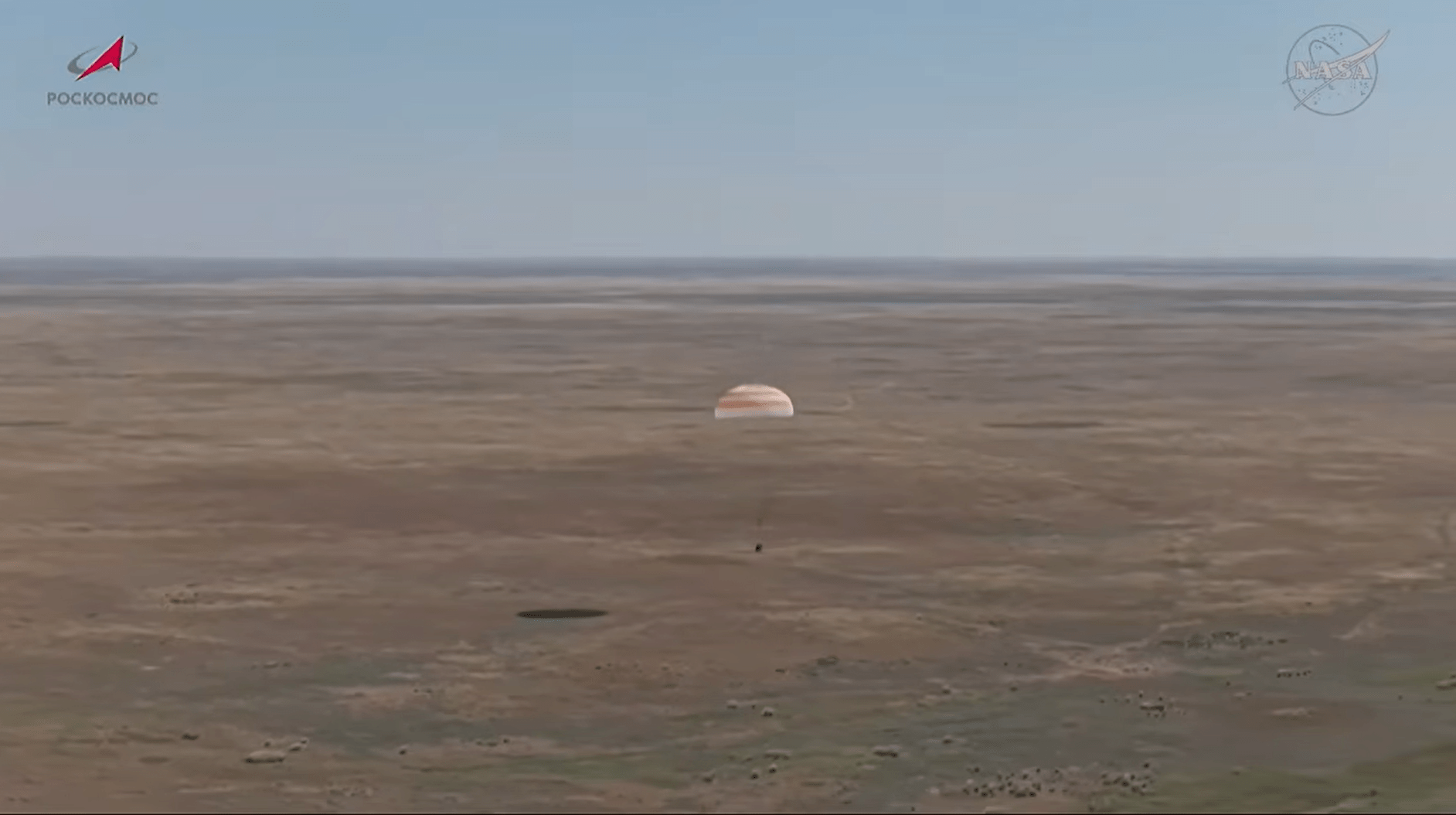
NASA Astronaut Chris Williams, Crewmates Return from Space Station
Concluding an eight-month science mission aboard the International Space Station, NASA astronaut Chris Williams returned to Earth on Sunday alongside Roscosmos cosmonauts Sergey Kud-Sverchkov and Sergei Mikaev. The crew made its safe, parachute-assisted landing at 5:27 a.m. CDT (

As wildfires grip France and Spain, what are the risks from the smoke?
What dangers does smoke from wildfires pose? Who is most at risk? Here are some answers to health questions often asked, especially now with fires in France and Spain.
A hidden Alzheimer’s tipping point may decide who gets dementia
Scientists have identified a possible tipping point that helps determine whether Alzheimer’s-related brain changes lead to dementia. The key may lie in how the brain’s immune cells respond to plaques and tau, offering a promising new target for treatments designed to extend cogni
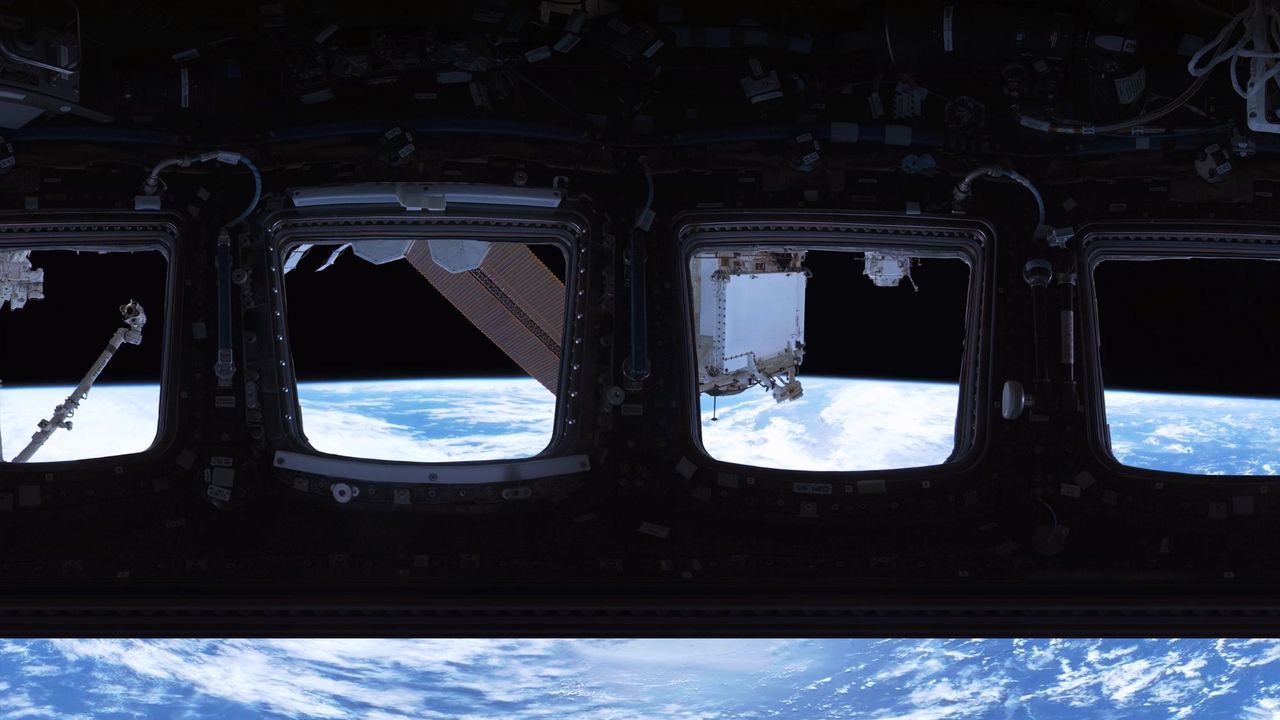
I'm not an astronaut, but I went to the International Space Station (sort of)
"Just the fact that it exists, just the fact that it continues to exist. We should marvel at that."