How this 70-year-old honey bee farmer is keeping his family farm alive: 'We completely rely on Mother Nature'
Being a beekeeper is harder than ever, but David Bradshaw is determined to protect his hives.
Related StoriesThe Next DreamWhy owners of 100-year-old family businesses say the American Dream has changedHow I Made ItThis father-daughter duo brought in $428,000 last year making 3D-printed fidget toys: 'It's not just for kids'How I Made It42-year-old former urban planner's ice cream business brings in $2.8M a yearThe Next DreamThey're living the new American Dream—and doing it on less than $100,000 a yearHow I Made ItCouple launched a burrito spot in a Home Depot parking lot—their two restaurants brought in $2.3 million in sales in 2025David Bradshaw owns and operates Bradshaw Honey Farms in Visalia, California.
Courtesy of David BradshawFor David Bradshaw, beekeeping has always been a family affair. Bradshaw, 70, is the second-generation owner of Bradshaw Honey Farms in Visalia, California. His father, Howard Bradshaw, founded the farm in the backyard of their home in 1958.
As a young child, David Bradshaw remembers playing outside and "learning not to get too close" to the beehives, he says. Since then, he's been stung "thousands of times," but that hasn't deterred him from sticking with the business.He's also gotten the next generation involved: Bradshaw's daughter works full-time on the farm, where she manages honey bottling operations, and his son helps out as needed.
And, he says, "in a way, I guess my bees are my kids" too. Founding the family farmBefore he started Bradshaw Honey Farms, Howard Bradshaw worked as an aircraft mechanic and raised bees as a hobby. According to David, he left his job to focus on beekeeping full-time after witnessing a fatal workplace accident.
"I remember as a kid, he just came home crying — probably the first time I saw my dad cry," David Bradshaw recalls. "He said, 'I quit. I'm not going back.
Bees are much safer.'"In 1970, the Bradshaw family, including David and his four siblings, moved to a five-acre property in Visalia, where Howard Bradshaw built his honey operation and began renting his bees to local farmers to pollinate their crops.A young David Bradshaw among the beehives in his family's backyard.
Courtesy of David BradshawWas David Bradshaw always interested in taking over the honey farm? "Heck no," he says. As a "teenage rebel kid," he wanted to become a car mechanic.
But his father needed help with the bees, so he got an associate's degree in agricultural mechanics and started working on the farm instead. By the mid-80s, Bradshaw says that he and his father each owned 2,000 bee colonies. Howard Bradshaw was thrilled to have his son take on more responsibility at the farm.
"He said, 'All I need is a lunch pail, and you tell me what to do,'" David Bradshaw recalls. "He was happy as could be."The duo ran Bradshaw Honey Farms together until Howard passed away in 2019 at age 81.
Working in 'wide open spaces'David Bradshaw still operates Bradshaw Honey Farms from that same property in Visalia, where he lives with his wife, but his bees travel all over the San Joaquin Valley to pollinate crops and make honey.He rents his bees out to farmers in a yearly rotation that starts with the almond bloom, dropping off his hives in almond orchards in mid-February. Next, he takes the bees to pollinate cherries and prunes, before moving on to oranges, lemons and grapefruit in late spring.
From summer through early fall, Bradshaw takes his bees to the Sierras so that they can stock up on pollen and make some honey from native plants.Zoom In IconArrows pointing outwardsBradshaw tends to his bees.Courtesy of David BradshawExtracting honey is long, hard, hot work, according to Bradshaw.
He and his employee collect the honey supers — specialized boxes that sit atop the hives and store surplus honey — from each colony. Using a forklift, they load the heavy supers into Bradshaw's truck and drive back to the Visalia property, where they spend "days and days extracting honey." Bradshaw's daughter bottles the honey to sell.
When his bees aren't busy pollinating crops, Bradshaw rents pastures from local farmers, particularly cattle ranchers, to host his hives while the bees rest and build up their food stores for winter. Many are willing to lend their land in exchange for a steady supply of free honey, Bradshaw says.Bradshaw rents land from local ranchers and farmers for his bees to rest and gather pollen.
Courtesy of David Bradshaw"If you're a beekeeper of any size, you have to rely on the generosity of farmers and ranchers to allow you to put bees on their land," he says. "You need wide open spaces, and you need to be constantly moving them." Keeping up with rising costsThe majority of Bradshaw Honey Farms' revenue comes from renting out the bees for pollination services, according to documents reviewed by CNBC Make It.
Over the last decade, "the bees just have not been making very much honey," he says, and as domestic honey production has declined, the market has flooded with cheaper imported honey products. Bradshaw still sells small batches of honey, though it's no longer a major sourc
Đọc thêm từ Kinh doanh
Samsung, SK and Nvidia join $700bn US-Korea AI push
South Korean President Lee Jae Myung, center, hosted AI Summit, which brought together leading U.S. and South Korean business figures, including Nvidia CEO Jensen Huang, fourth from left, and Samsung Chairman Lee Jae-yong, third from left, on July 24 in San Francisco.
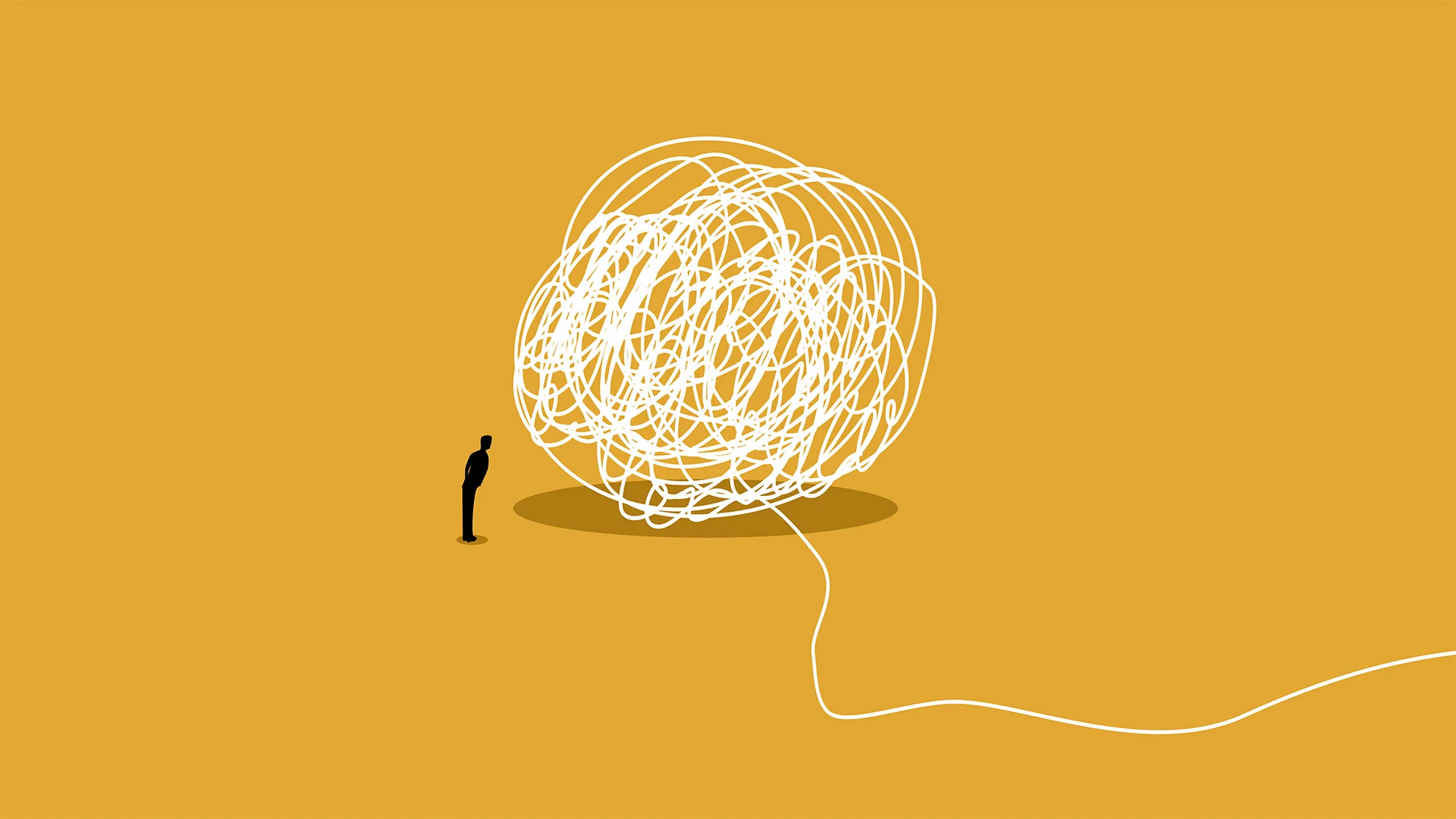
If You’re Solving the Same Problem Twice, Your Business Has a Systems Issue
Every repeat mistake is a process asking for attention.
Brazil's Flávio Bolsonaro to challenge Lula after winning party nomination
Flávio Bolsonaro received backing from Argentine President Javier Milei and a message of support from Israeli Prime Minister Benjamin Netanyahu, while he seeks further endorsements from allies of US President Donald Trump
Nvidia CEO Jensen Huang denies the chip boom will go bust soon and actually utters the infamous phrase ‘this time is different’
"This is industrially driven, meaning the fundamental technology of computers is changing."