Higher planning hurdles needed for coal mines and data centres: watchdog
NSW is falling further behind its legislated targets to cut climate pollution by 50 cent by 2030 and 70 per cent by 2035.
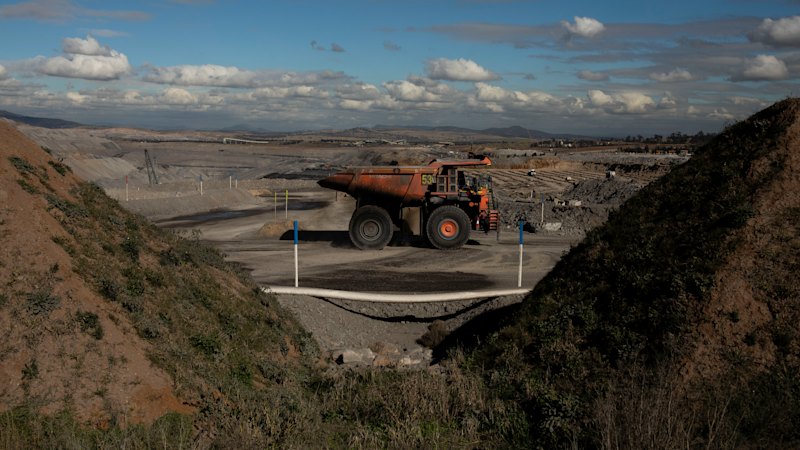
NSW has fallen further behind its legislated emissions targets and will not catch up unless approvals of coal mines and data centres are curbed while the renewables rollout is accelerated, the independent watchdog has warned. Every major decision, especially in the planning system, should take account of the state’s legal commitment to reduce greenhouse emissions by 50 per cent of 2005 levels by 2030, and 70 per cent by 2035, the NSW Net Zero Commission said in its annual report released on Thursday. Current policies will see only a 44 per cent reduction by 2030 and 56 per cent by 2035, according to the Net Zero Emissions Dashboard updated on Wednesday.
The gap has widened from the 46 per cent by 2030 and 62 per cent by 2035 expected a year ago, which was in turn worse than when the NSW government first revealed it was on track to miss the targets in 2024. The Net Zero Commission, an independent statutory body set up by the Minns government in 2023, warned there was no chance of meeting the targets without accelerated action, despite progress on renewable electricity, household energy efficiency measures and cleaner transport. Climate Change Minister Penny Sharpe said the government had taken serious action to cut climate pollution, reducing emissions by 25 per cent since 2005 baseline levels, but there was more work to be done.
The government remained committed to the legislated targets and would carefully consider the commission’s advice, she said. “While NSW is building the jobs and industries of the clean energy future, the Coalition is turning its back on Net Zero and renewable energy, risking critical investment and emissions reduction,” Sharpe said. The government scrapped the Coalition-era Net Zero Plan last year.
A new plan with initiatives to get the state back on track for its emissions targets is expected by the end of this year. The commission’s annual report called out planning decisions in particular to “take account of the legislated targets, support renewable energy and low‐emissions industry, and carefully assess the impacts of proposed coal mine extensions, expansions and new data centres”. The NSW Independent Planning Commission is currently considering whether to approve the extension of Hunter Valley Operations (HVO) North and South in the Hunter Valley, which the Environment Protection Authority has described as “the largest coal mining proposal in NSW history”.
Activist group Lock the Gate says there are a total of 19 coal mining extensions or expansions in the pipeline, counting HVO as one project, which are collectively seeking approval to mine an additional 994 million tonnes of coal. Eleven coal projects have already been approved since the last election. Planning Minister Paul Scully said the government had added climate resilience to the objectives of the Environmental Planning and Assessment Act, and ruled out new greenfield coal mines in NSW.
Net Zero Commission chair Nick Rowley said the government should increase the use of technologies and policies proven to drive down emissions, and ensure planning assessments supported rather than hindered progress to the state’s targets. “NSW has made important progress, and there is a clear path to build on,” Rowley said in a statement. The commission called for a greater focus on reducing methane emissions, since the potent greenhouse gas currently makes up 30 per cent of the state’s emissions.
Implementing existing avoidance and abatement options to reduce emissions from livestock, landfills and coal mines should be a priority, the report said. The electricity sector must deliver a large chunk of the emissions reductions through the closure of coal power stations, the report said. This was “currently not on track”, with Eraring power station’s closure having been delayed twice already, from 2025 to 2027 and then 2029.
“It is vital its closure is not postponed further,” the report said. Despite considerable policy effort, the rollout of renewable generation, storage and transmission was behind schedule. This was of particular concern given forecast increased electricity demand from data centres, the report said.
Scully said the government would use planning controls to ensure data centres deliver the water and power infrastructure they need to operate. “Data centres are an important part of modern life, the digital infrastructure, modern economies and present a unique opportunity to drive investment in new renewable energy and recycled water projects,” Scully said. The Net Zero Commission also urged the NSW government to move from planning to delivery on adapting to a warmer, more variable and harsher climate.
Get to the heart of what’s happening with climate change and the environment. Sign up for our fortnightly Environment newsletter. You have reached your maximum number of saved items.
Remove items from your saved list to add more. More:
Đọc thêm từ Thế giới

인천 쿠팡 화재 닷새 만에 또다른 쿠팡 물류센터서 불…불소화기로 자체 진화
본문전국수도권인천 쿠팡 화재 닷새 만에 또다른 쿠팡 물류센터서 불…불소화기로 자체 진화이승욱기자수정 2026-07-23 09:46펼침0:00Your browser does not support theaudio element.구글 선호 매체 등록화재 현장.

‘Suddenly, I was his boss’: How Brian and Wendy navigate work and marriage
They were friends who hooked up one night on a couch. Now they’re equally passionate about their businesses and their daughter.
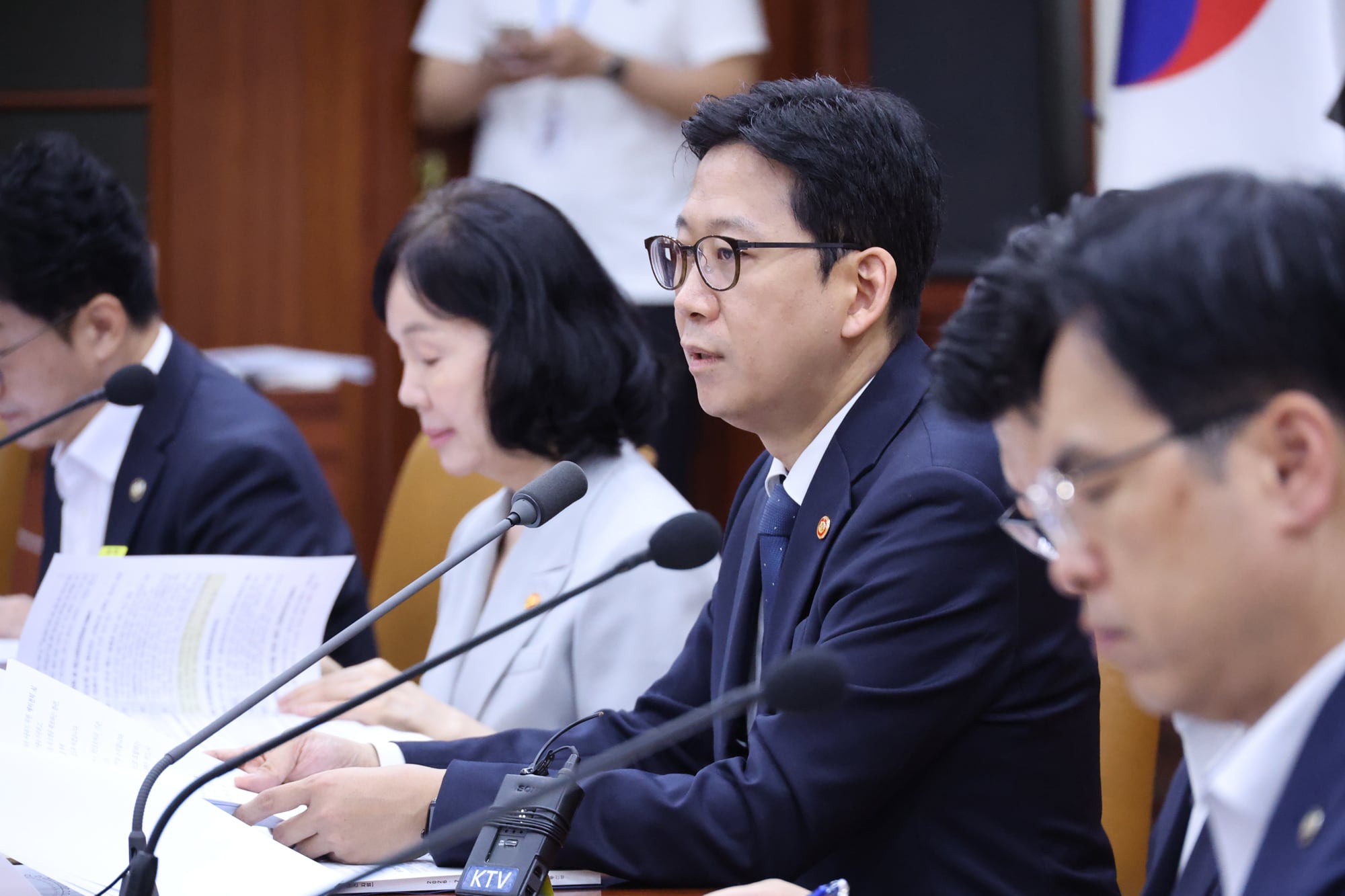
정부, ‘에이전틱 AI’ 국가전략으로… “실행 생태계 선점”
정부가 스스로 계획을 세우고 실행까지 수행하는 ‘에이전틱 인공지능(AI)’ 생태계 선점을 위한 국가 전략을 내놓았다. AI 경쟁의 축이 모델 성능에서 실행 역량으로 옮겨가는 흐름 속에서 안전·신뢰 체계와 개방형 실행 기반을 앞세워 ‘AI 3강’ 도약을 뒷받침한다는 구상이다.

The National | Trump’s trade rep defends tariff threat
July 22, 2026 | Trump’s top trade representative defends a plan to put 50 per cent tariffs on Canadian goods to U.S. senators. Documents contradict Carney’s claims about how much the U.S. will get from the Gordie Howe bridge. And, what’s driving up the frequency of tornadoes in C