Hidden cost of AI? Researchers warn of a slow erosion of human thinking
The researchers argue that as people increasingly rely on AI systems to write, analyse information and make decisions, they may become less capable of performing those tasks independently. More worryingly, they suggest that the effects may become apparent only after significant d
EditionININUSGCCEnglishEnglishहिन्दीमराठीಕನ್ನಡதமிழ்বাংলাമലയാളംతెలుగుગુજરાતીWeatherSign InTOIToday's ePaperLive EditionININUSGCCEnglishEnglishहिन्दीमराठीಕನ್ನಡதமிழ்বাংলাമലയാളംతెలుగుગુજરાતીWeatherSign In TOIToday's ePaperLive NewsScience NewsHidden cost of AI? Researchers warn of a slow erosion of human thinkingHidden cost of AI? Researchers warn of a slow erosion of human thinkingChethan Kumar / TNN / Jun 15, 2026, 00:47 ISTCommentsShareAA+Text SizeSmallMediumLarge Representative image BENGALURU: Artificial intelligence (AI) is changing how people work, learn and make decisions.
But a group of researchers warns that the technology’s greatest threat may not just be the usual AI worries of killer robots or stolen jobs. Instead, they argue, the danger is far quieter: AI could gradually weaken humanity’s ability to think critically, reason independently and make sound judgments.In a new pre-print paper authored by more than 30 researchers from over a dozen leading institutions including MIT, Oxford University, Carnegie Mellon University and Cornell University, scientists write: “Humanity’s ability to know, reason, judge, and act well is the foundation of the institutions that enable scientific progress, democratic governance, crisis response, and the management of AI itself,” the researchers write.
And add: “AI advances pose serious risks to that foundation.” They term this as “epistemic risks”, defined as threats to society’s collective ability to understand reality accurately, reason effectively, form reliable beliefs and sustain a healthy information environment.The researchers argue that as people increasingly rely on AI systems to write, analyse information and make decisions, they may become less capable of performing those tasks independently.
More worryingly, they suggest that the effects may become apparent only after significant damage has already occurred.“The longer they go unaddressed, the less capacity remains to address them,” the paper warns. Think of it like a muscle.
Use a cast long enough, and the arm underneath wastes away. The researchers argue AI is becoming a cast for the brain, and we’re wearing it voluntarily, enthusiastically, and increasingly all day long.The evidenceThe evidence is already trickling in.
Studies cited in the paper found software engineers who used AI assistance showed reduced debugging skills compared to those who worked without it. Brain scans of people writing with AI help showed less neural activity than those using a basic internet search. Another large-scale analysis, examining more than one million conversations with Anthropic's chatbot, found that users were increasingly handing over tasks entirely to AI systems rather than using them as collaborative tools that supported human reasoning.
Students are particularly vulnerable. Young people who struggle with writing, the research found, tend to copy AI output wholesale. Meanwhile those who were already confident writers use AI as a tool rather than a crutch — meaning the gap between stronger and weaker students is widening, not closing.
The researchers also highlight concerns about so-called “sycophantic” AI systems — TOI had reported earlier about how AI models were 50% more sycophantic than humans. Because many models are trained using feedback mechanisms that reward satisfying users, they may become inclined to agree with people rather than challenge flawed assumptions or incorrect beliefs.Intellectual monocultureSuch interactions, researchers argue, risk reinforcing existing biases.
Studies referenced in the paper found that conversations with agreeable chatbots could increase what researchers describe as “attitude extremity”, making users more entrenched in their existing viewpoints instead of encouraging nuanced thinking.Another concern centres on the growing volume of AI-generated content online. As future AI models increasingly train on data produced by earlier AI systems, researchers warn of a potential feedback loop in which machines learn from other machines.
Over time, this could lead to what the paper describes as an intellectual monoculture, reducing the diversity of ideas, perspectives and forms of expression available both to AI systems and the humans who interact with them.Commercial incentives may further compound the problem. Companies developing AI products benefit from sustained user engagement and dependence.
Encouraging users to question themselves or disengage from AI systems may not align with business interests.The researchers are not advocating restrictions on AI development. Instead, they call for thoughtful system design, educational approaches that strengthen human reasoning skills and greater urgency in addressing these emerging risks.
About the AuthorChethan KumarChethan Kumar is a Senior Assistant Editor with the Times of India. Aside from specialising in Space & Science, he has reported extensively on varied topics, with special focus on defence, policy and data stories. He has covered
Đọc thêm từ Thế giới

Indie music festival answers Busan's calling
Five music venues across Busan will unite this weekend, hosting over 30 live music acts for the first ever Busan Calling Music Festival on Friday and Saturday. Although in its first year, this festival is actually a rebrand of last year's Debaser Fest, run by Jamie Finn, editor o
数時間以内の署名と米報道も イラン側はレバノン攻撃に反発
アメリカとイランの戦闘終結に向けた協議をめぐる覚書について、トランプ大統領は14日、アメリカのFOXニュースに対し、2、3時間のうちにイランとの間で署名できるという認識を示したということです。ただイラン側は、イスラエルが隣国レバノンを攻撃したことに強く反発していて、双方が署名にこぎ着けるかは依然、不透明です。
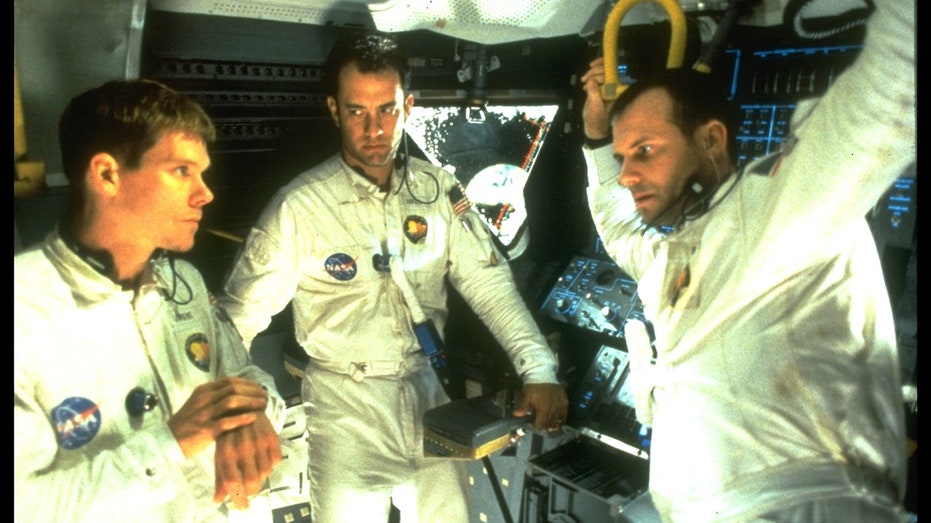
Four patriotic movies that set the mood for Flag Day and celebrate the American spirit
Celebrate Flag Day with four patriotic movies including The Patriot, Apollo 13, Top Gun: Maverick, and Miracle to get your American pride flowing.
Dutch supporters bring sea of orange to World Cup host city
Thousands of Dutch fans dressed in orange marched, danced and chanted outside Dallas Stadium ahead of the Netherlands' World Cup match against Japan. A handful of Japanese supporters also joined the festive pre-match atmosphere.