Herbicide banned in 70 countries to be pulled from sale in Australia by chemical maker
Syngenta says it will stop selling paraquat in Australia after new regulations on chemical linked to Parkinson’s diseaseGet our breaking news email, free app or daily news podcastSyngenta, the producer of a herbicide banned in more than 70 countries and which has been linked to P
Paraquat, a herbicide banned in more than 70 countries, has been produced by the Swiss company Syngenta for decades, but has long been linked to Parkinson’s disease in users. Photograph: Arnd Wiegmann/ReutersView image in fullscreenParaquat, a herbicide banned in more than 70 countries, has been produced by the Swiss company Syngenta for decades, but has long been linked to Parkinson’s disease in users. Photograph: Arnd Wiegmann/ReutersHerbicide banned in 70 countries to be pulled from sale in Australia by chemical makerSyngenta says it will stop selling paraquat in Australia after new regulations on chemical linked to Parkinson’s disease Get our breaking news email, free app or daily news podcast Syngenta, the producer of a herbicide banned in more than 70 countries and which has been linked to Parkinson’s disease, will stop selling paraquat in Australia, saying new regulations has made it “commercially unviable”.
The decision to pull the product follows new restrictions on the highly poisonous chemical announced by the Australian Pesticides and Veterinary Medicines Authority in June.A global threat for millennia: experts warn Australia’s nuclear submarine legacy will be weapons-usable uranium cacheRead moreParaquat has been produced by the Swiss company for decades, but has long been linked to Parkinson’s disease in users.It is banned in more than 70 countries and has been prohibited in the European Union since 2007.
It cannot be used in domestic settings in Australia, but is still widely used in agriculture, particularly broad-acre cropping like grains, sugarcane and cotton. The APVMA assessed that the weight of evidence does not show that paraquat exposure through approved uses increases the risk of developing Parkinson’s disease.But it did impose new restrictions to address acute exposure and risks to animals.
The company said the decision to pull the products followed a commercial review carried out in the wake of the APVMA’s rules.Sign up for the Breaking News Australia emailSyngenta ANZ’s managing director, David Van Ryswyk, said the company will manage the phase-out of its paraquat products in strict alignment with the APVMA’s designated sell-out and use-by timelines.“Regulatory constraints, combined with a highly complex and increasingly expensive supply chain, have made the paraquat herbicide products commercially unviable,” Van Ryswyk said.
The new restrictions on the herbicide required that backpack sprayers be phased out, mandate additional personal protective equipment for users and set a much lower maximum rate of application per hectare.At the time of the APVMA’s decision, Syngenta said the pesticide “does not cause an unacceptable environmental impact” and that the regulation would limit its use in a significant number of crop use cases.The company had planned to continue supplying through a third-party manufacturer, but on Friday it said the new regulations and an increasingly expensive supply chain had made the product unviable.
Generic paraquat products will still be available for local farmers.Last month, the Melbourne neurologist Associate Prof Wes Thevathasan told the ABC that there has been “global consensus” in his field that exposure to paraquat was linked to the development of Parkinson’s disease.“There are now multiple epidemiological studies or real-world exposure studies that have suggested that paraquat increases the risk of Parkinson’s disease by around threefold,” Thevathasan said.
Grain Producers Australia spokesperson Andrew Weidemann said Syngenta’s decision created uncertainty for local growers.“Its withdrawal leaves some important questions about what happens next,” he said.“Australia is a relatively small market, and decisions like this call future investment into question.
“If companies cannot see sufficient value in maintaining products here, growers risk being left with fewer choices at the same time we urgently need more tools to manage herbicide resistance.”Explore more on these topicsHerbicidesHealthAgriculturenewsShareReuse this content
Đọc thêm từ Thế giới
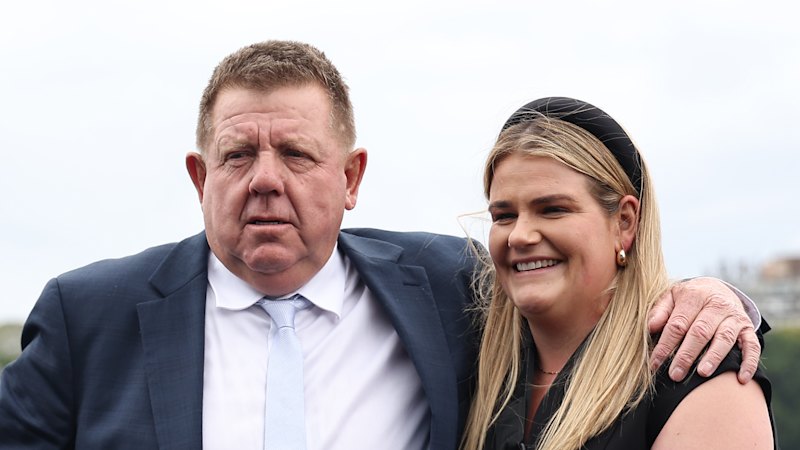
Father-daughter combination set to dominate Muswellbrook meeting
The father and daughter training combination of Brett and Georgie Cavanough will be represented in force at Muswellbrook on Sunday with 10 runners.
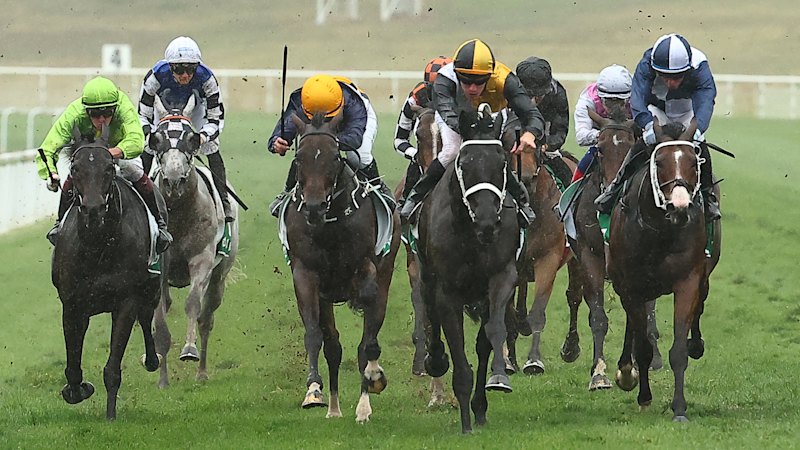
Race-by-race preview and tips for Muswellbrook on Sunday
All the information you need for Sunday’s NSW feature meeting.
![[포토] “더위야 물렀거라”](https://flexible.img.hani.co.kr/flexible/normal/300/180/imgdb/original/2026/0725/20260725500596.webp)
[포토] “더위야 물렀거라”
본문사회사회일반[포토] “더위야 물렀거라”박종식기자수정 2026-07-25 15:54펼침0:00Your browser does not support theaudio element.구글 선호 매체 등록25일 서울 용산어린이정원에서 한 아이가 물놀이를 하며 더위를 식히고 있다. 연합뉴스 광고삼복 중 가장 무덥다는 ‘중복’인 25일 시민들이 바다와 물놀이장 등을 찾아 더위를 식혔다.
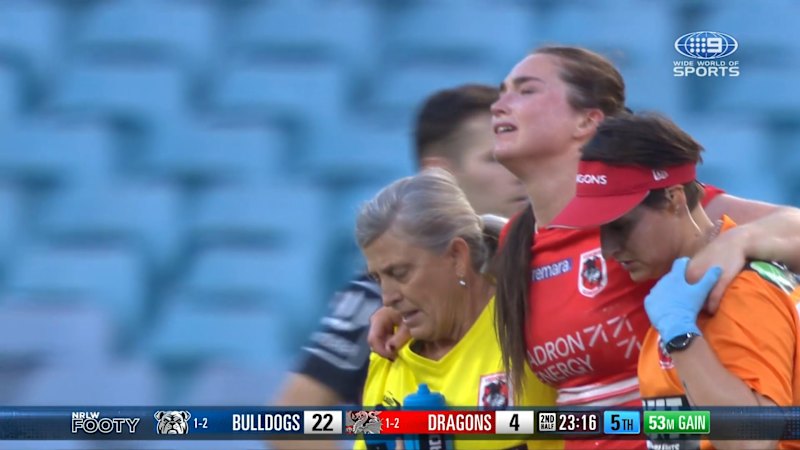
Injured Dragons enforcer in tears
Dragons front-rower Madison Mulhall suffers what appears to be a serious knee injury.