Hackaday Podcast Episode Ep 377: Parallel Pixels, Wiggly Consoles, and Seven Segments
This week’s podcast sees Elliot joined by Jenny List, as both suffer silently in the European summer heat because the sound of a desk fan would come over on the …read more

This week’s podcast sees Elliot joined by Jenny List, as both suffer silently in the European summer heat because the sound of a desk fan would come over on the recording. A stand-out hack of the week comes from [Bitluni], whose GPU made from thousands of cheap microcontrollers is on a scale we’ve never seen before. It’s an amazing project in itself, but the manufacturing and power consumption issues of so many processors running at the same time make for a discussion of their own.
Otherwise, we have diecasting on the bench, an impressive achievement by any measure, a Raman spectrometer, and an open source take on something like a Kei truck. In quick hacks there’s a dicussion of soldering versus crimping for high current connectors, and neon tubes used as digital logic in an organ. The recording finishes with a discussion of 7-segment display history, and whether an engineering education teaches design for manufacture.
Or download it yourself, in glorious 192-bit MP3. Where to Follow Hackaday PodcastPlaces to follow Hackaday podcasts: iTunes Spotify Stitcher RSS YouTube Check out our Libsyn landing page Episode 377 Show Notes: Mailbag: We were contacted by long-time listener [Alex], with a question about the deadline for What’s That Sound entries. The podcast is recorded on Thursday evening European time, most of the time, but Wednesday evening when Tom is onboard.
If you get your entry in by Wednesday morning, wherever you are, you’re safe. Good luck! Then we had a couple of responses to Zoe Skyforest’s pitot tube air speed sensor piece.
Reese Johnson suggested that some version of this might be found in motorcycle fuel gauges, and Jeff told us about very similar differential pressure airflow sensors being used in the climate control systems of large buildings. So we’re closer than we think to these devices. What’s that Sound: Have an idea what the sound is?
Enter your guess here. Interesting Hacks of the Week: Gluing 8192 MCUs Together To Make A GPU Die Casting Co
Đọc thêm từ Công nghệ

Enterprise AI is entering an evaluation gap: Agents are gaining autonomy faster than companies can verify them
Enterprise AI teams are giving agents more freedom at the same moment their confidence in automated testing is collapsing.Half of enterprises have deployed an AI agent or LLM feature that passed internal evaluations and yet still caused a customer-facing failure — one in four mor

US eases restrictions on Apple’s access to AI chips and data center equipment in the UAE
Apple is among eight U.S. companies now able to bring covered advanced-computing chips, servers, and other controlled technology into the UAE without applying for individual export licenses. Here’s what that means.
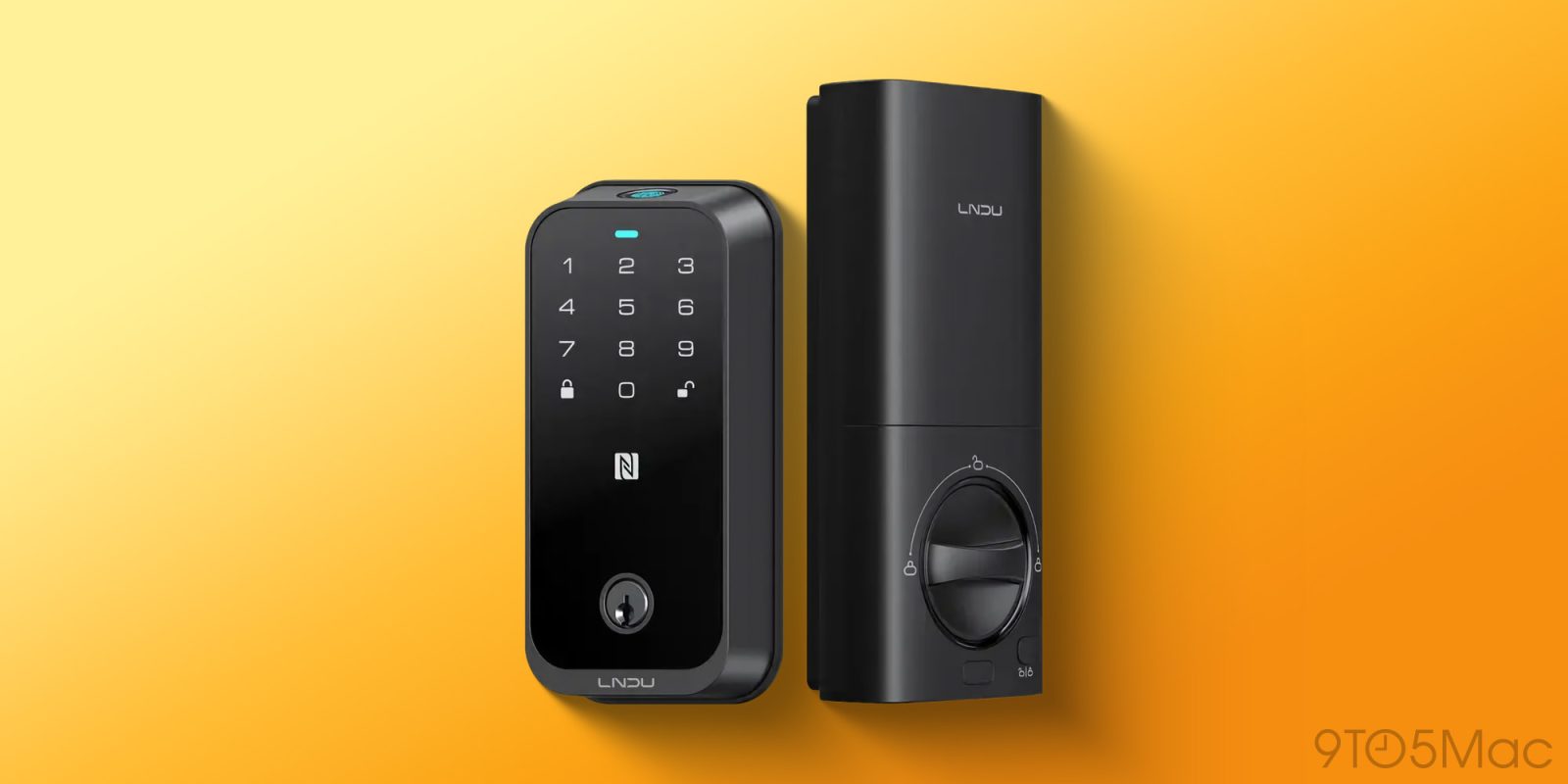
HomeKit Weekly: The LNDU HK01W brings Apple Home Key and Wi-Fi to a budget-friendly lock
My top feature for a smart lock for any Apple smart home person is Apple Home Key support. The ability to tap your iPhone or Apple Watch against your front door and walk right inside is incredibly convenient. The problem is that most locks that support this feature are expensive,
Ask HN: What was the last task where only a frontier model could do it?
ive been seeing a recurring claim that open (weight) models 6 months behind the frontier are good enough for the majority of ‘work’. if you've had a concrete task in the last month where GLM/DeepSeek/Kimi/Qwen failed and Opus/Fable/GPT succeeded (or vice versa!), please shareIll