Gulf states back Iran’s plan to collect voluntary fees in the Strait of Hormuz, potentially reshaping global energy transit
Iran's fee plan in Hormuz could shift global energy dynamics, impacting oil prices, inflation, and potentially accelerating de-dollarization trends. The post Gulf states back Iran’s plan to collect voluntary fees in the Strait of Hormuz, potentially reshaping global energy transi
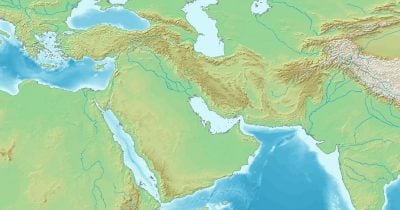
Photo: DEMIS Mapserver, पाटलिपुत्र / Wikimedia Commons / CC BY-SA 3.0 (http://creativecommons.org/licenses/by-sa/3.
0/) Gulf states back Iran’s plan to collect voluntary fees in the Strait of Hormuz, potentially reshaping global energy transit The proposal could generate up to $40 billion annually for Iran, raising questions about oil prices, shipping costs, and the crypto-adjacent commodity trading landscape. Share Add us on Google by Editorial Team Jul. 28, 2026 The world’s most important oil chokepoint might soon come with a price tag.
Gulf states have signaled support for a plan that would allow Iran to collect voluntary fees from ships passing through the Strait of Hormuz, a narrow waterway through which roughly a fifth of the world’s oil supply flows daily. The proposal, championed by Oman, frames these charges as service fees tied to navigation safety, security, and environmental protection. Iran estimates the arrangement could generate approximately $40 billion in annual revenue from regional maritime activity.
What’s actually on the table The framework envisions Iran providing services to vessels transiting the strait and collecting fees in return. Earlier Iranian proposals floated charges as high as $2 million per tanker, with some discussion of yuan-denominated payments. Iranian officials have at times described these payments as obligatory, which is a rather significant distinction when you’re talking about the world’s most critical energy corridor.
Advertisement The initiative represents a departure from mandatory toll systems seen at other maritime chokepoints like the Straits of Malacca. The geopolitical chess match These developments are unfolding against the backdrop of broader US-Iran diplomatic negotiations. Post-conflict arrangements emerging in the June-July 2026 window suggest this isn’t happening in isolation but rather as part of a larger diplomatic package.
The US government has reportedly raised objections to the proposal. A $40 billion annual revenue stream would represent a massive economic lifeline, one that exists outside the traditional sanctions architecture that has defined US-Iran relations for decades. The yuan-denominated payment discussions add another layer.
If major commodity flows through Hormuz begin settling in Chinese currency rather than dollars, it feeds directly into the broader de-dollarization narrative that has been gaining momentum across emerging markets and commodity-exporting nations. Why crypto and commodity traders should care Any fee structure applied to Hormuz transit, voluntary or otherwise, adds friction to global energy supply chains. Higher shipping costs flow through to crude prices, which flow through to inflation expectations, which flow through to monetary policy, which flow through to risk asset pricing.
If the “voluntary” fees create ambiguity about enforcement or penalties for non-payment, marine insurers will price that uncertainty into premiums, compounding the shipping cost increases. Traders should watch the diplomatic timeline closely. The June-July 2026 negotiation window will likely determine whether this proposal moves from concept to implementation.
Disclosure: This article was edited by Editorial Team. For more information on how we create and review content, see our Editorial Policy. MACRO Gulf states back Iran’s plan to collect voluntary fees in the Strait of Hormuz, potentially reshaping global energy transit The proposal could generate up to $40 billion annually for Iran, raising questions about oil prices, shipping costs, and the crypto-adjacent commodity trading landscape.
by Editorial Team Jul. 28, 2026 Share Add us on Google Photo: DEMIS Mapserver, पाटलिपुत्र / Wikimedia Commons / CC BY-SA 3.0 (http://creativecommons.
org/licenses/by-sa/3.0/) The world’s most important oil chokepoint might soon come with a price tag. Gulf states have signaled support for a plan that would allow Iran to collect voluntary fees from ships passing through the Strait of Hormuz, a narrow waterway through which roughly a fifth of the world’s oil supply flows daily.
The proposal, championed by Oman, frames these charges as service fees tied to navigation safety, security, and environmental protection. Iran estimates the arrangement could generate approximately $40 billion in annual revenue from regional maritime activity. What’s actually on the table The framework envisions Iran providing services to vessels transiting the strait and collecting fees in return.
Earlier Iranian proposals floated charges as high as $2 million per tanker, with some discussion of yuan-denominated payments. Iranian officials have at times described these payments as obligatory, which is a rather significant distinction when you’re talking about the world’s most critical energy corridor. Advertisement The initiative represents a departure from mandatory toll systems seen at other maritime chokepoints like the Straits of Malacca.
The geopolitical chess match These developme
Đọc thêm từ Tiền số / Crypto
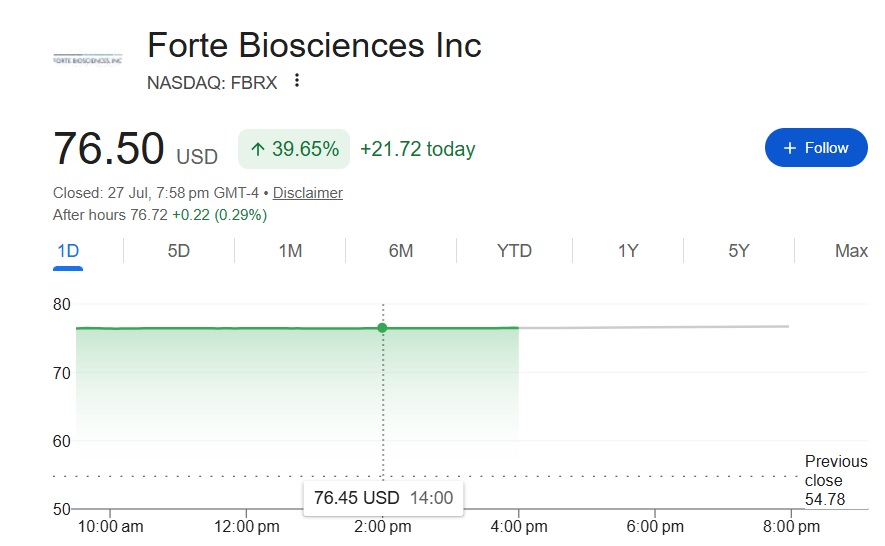
Forte Biosciences and D-Wave Quantum Stocks Rise Above 20% in a Day
Forte Biosciences (NASDAQ: FBRX) and D-Wave Quantum (NASDAQ: QBTS) stocks have risen more than 20% in Monday’s trading…

One Bad Price, 960 Liquidations: Inside SK Hynix Flash Crash on Hyperliquid
An erroneous share trade on Korea’s Nextrade exchange fed bad price info into Hyperliquid’s third-party price oracle, liquidating 960 accounts in seconds.

Camilo Vargas and Mike Maignan lead the pack with 4 clean sheets each at the 2026 FIFA World Cup
The 2026 World Cup highlights the critical role of goalkeepers, emphasizing defensive prowess as a key factor in tournament success. The post Camilo Vargas and Mike Maignan lead the pack with 4 clean sheets each at the 2026 FIFA World Cup appeared first on Crypto Briefing.
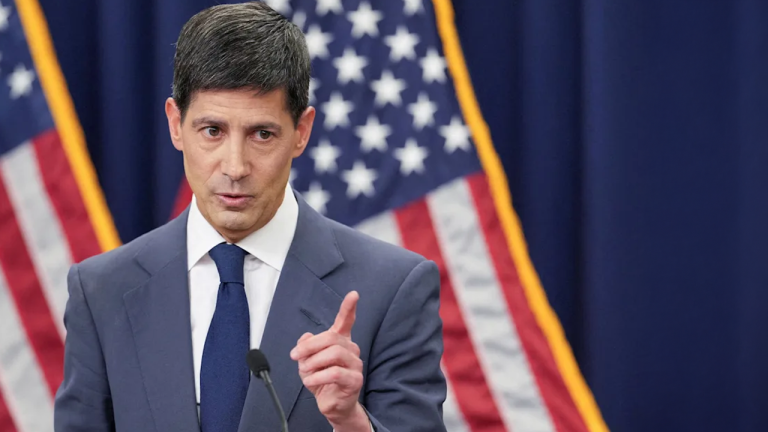
Prediction Markets Say Hold, Citadel Securities Says Fed Will Hike as Trump Pressures Central Bank
Federal funds futures traders are pricing a majority chance that the U.S. Federal Reserve holds rates steady this week, but trading activity beneath the headline tells a more nuanced story. Positioning has gradually shifted as Chair Kevin Warsh approaches his second policy decisi