Gold demand rises 4% as AI infrastructure boom lifts electronics sector
The surge in gold demand driven by AI infrastructure highlights the metal's evolving role in tech, but reliance on one sector poses risks. The post Gold demand rises 4% as AI infrastructure boom lifts electronics sector appeared first on Crypto Briefing.
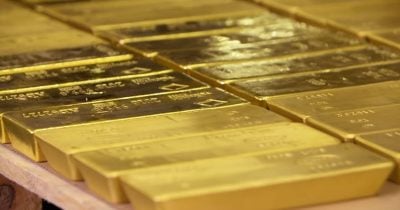
Via bullionvault.com Gold demand rises 4% as AI infrastructure boom lifts electronics sector AI data centers are consuming more gold per chip, and tokenized gold markets are riding the wave with $90.7 billion in Q1 trading volume Share Add us on Google by Editorial Team Jul.
30, 2026 Gold’s oldest use case just got a very modern upgrade. The precious metal that once defined wealth in ancient civilizations is now finding renewed demand inside the most cutting-edge technology on the planet: AI chips and data center hardware. According to data from the World Gold Council, electronics gold demand reached 69.
3 tonnes in Q1 2026, a 3% increase year-over-year and the highest level since late 2021. The driver isn’t jewelry or central bank reserves this time. It’s the insatiable appetite of AI infrastructure for high-conductivity materials.
Why AI needs more gold AI data centers require higher gold intensity per unit compared to conventional hardware. Advanced memory modules and reliable interconnects in next-generation chips use more of the metal for superior thermal management and signal integrity. Advertisement Total technology and industrial gold demand hit 81.
6 tonnes in Q1 2026, reflecting a 1% increase from Q1 2025. Consumer electronics demand remains under pressure from elevated prices, while AI-related demand is pulling the sector upward. The electronics recovery is almost entirely an AI story.
Tokenized gold is having a moment Tokenized gold markets recorded approximately $90.7 billion in trading volume during Q1 2026, representing 30% growth. Over 44,500 new wallets were created in the tokenized gold space during the same period.
Products like Paxos Gold (PAXG) and Tether Gold (XAUT) allow investors to gain exposure to physical gold without dealing with storage, insurance, or the logistics of moving heavy yellow bars around. Each token is typically backed by one troy ounce of allocated gold held in vaults. By November 2025, Tether had accumulated 116 tons of gold, a figure that equated to roughly 2% of global quarterly demand in certain periods.
What this means for investors For crypto-native investors, tokenized gold products offer a way to stay on-chain while diversifying into an asset class with a 5,000-year track record. PAXG holders can use their tokens as collateral in DeFi protocols, earning yield on what would otherwise be a static store of value sitting in a vault somewhere. The risk is concentration.
If the AI buildout slows, or if chip architectures evolve to use less gold, this particular demand driver could weaken. Consumer electronics demand is already soft, so gold’s industrial story is leaning heavily on one sector. The creation of 44,500 new wallets in a single quarter is impressive, but maintaining that pace requires continuous onboarding from traditional finance audiences who may not yet be comfortable with self-custody or DeFi mechanics.
Disclosure: This article was edited by Editorial Team. For more information on how we create and review content, see our Editorial Policy. TECHNOLOGY Gold demand rises 4% as AI infrastructure boom lifts electronics sector AI data centers are consuming more gold per chip, and tokenized gold markets are riding the wave with $90.
7 billion in Q1 trading volume by Editorial Team Jul. 30, 2026 Share Add us on Google Via bullionvault.com Gold’s oldest use case just got a very modern upgrade.
The precious metal that once defined wealth in ancient civilizations is now finding renewed demand inside the most cutting-edge technology on the planet: AI chips and data center hardware. According to data from the World Gold Council, electronics gold demand reached 69.3 tonnes in Q1 2026, a 3% increase year-over-year and the highest level since late 2021.
The driver isn’t jewelry or central bank reserves this time. It’s the insatiable appetite of AI infrastructure for high-conductivity materials. Why AI needs more gold AI data centers require higher gold intensity per unit compared to conventional hardware.
Advanced memory modules and reliable interconnects in next-generation chips use more of the metal for superior thermal management and signal integrity. Advertisement Total technology and industrial gold demand hit 81.6 tonnes in Q1 2026, reflecting a 1% increase from Q1 2025.
Consumer electronics demand remains under pressure from elevated prices, while AI-related demand is pulling the sector upward. The electronics recovery is almost entirely an AI story. Tokenized gold is having a moment Tokenized gold markets recorded approximately $90.
7 billion in trading volume during Q1 2026, representing 30% growth. Over 44,500 new wallets were created in the tokenized gold space during the same period. Products like Paxos Gold (PAXG) and Tether Gold (XAUT) allow investors to gain exposure to physical gold without dealing with storage, insurance, or the logistics of moving heavy yellow bars around.
Each token is typically backed by one troy ounce of allocated gold held in vaul
Đọc thêm từ Tiền số / Crypto

Hitachi launches cryptocurrency monitoring service for banks and firms
Hitachi's entry into crypto monitoring signals a maturing market, enhancing compliance and reducing burdens for financial institutions globally. The post Hitachi launches cryptocurrency monitoring service for banks and firms appeared first on Crypto Briefing.

Citadel buys stock portfolio from Situational Awareness after AI losses
Citadel's acquisition underscores the volatility in AI investments, highlighting the need for diversified strategies to manage sector risks effectively. The post Citadel buys stock portfolio from Situational Awareness after AI losses appeared first on Crypto Briefing.

Two tankers carrying saudi oil for India exit red sea by going ‘dark’
Heightened security concerns in the Red Sea may disrupt vital shipping lanes, impacting oil transport costs and timelines for Asian markets. The post Two tankers carrying saudi oil for India exit red sea by going ‘dark’ appeared first on Crypto Briefing.
Intel strengthens position in packaging tech as TSMC scrambles to respond
Intel's advancements in packaging tech could reshape the semiconductor landscape, challenging TSMC's dominance and diversifying industry options. The post Intel strengthens position in packaging tech as TSMC scrambles to respond appeared first on Crypto Briefing.