Germany seeks to host the 2038 World Cup, and crypto-powered sports betting markets are already watching
Germany's World Cup bid could reshape European sports dynamics, influencing infrastructure investments and boosting crypto sports betting. The post Germany seeks to host the 2038 World Cup, and crypto-powered sports betting markets are already watching appeared first on Crypto Br
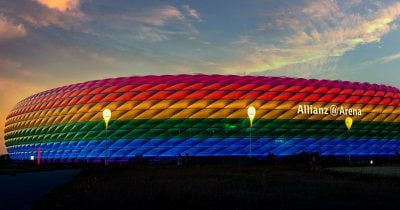
Via getyourguide.com Germany seeks to host the 2038 World Cup, and crypto-powered sports betting markets are already watching The DFB's bid for the 2038 FIFA World Cup opens a new chapter in sports diplomacy, with prediction markets and tokenized fan engagement waiting in the wings. Share Add us on Google by Editorial Team Jul.
28, 2026 Germany wants to throw the world’s biggest party again. The German Football Association, known as the DFB, has formally revealed plans to bid for the 2038 FIFA World Cup, with a possible backup play for 2042 if the first attempt doesn’t land. The last time Germany hosted the tournament was 2006, an event still remembered for its seamless infrastructure and surprisingly good vibes.
Nearly two decades later, the country believes it can do it again, and this time it might not go alone. Advertisement A Franco-German power play What started as a solo German ambition has quietly evolved into something bigger. French Sports Minister Marina Ferrari confirmed on July 23, 2026, that discussions around a joint France-Germany bid have been underway for some time.
Ferrari framed the potential partnership as part of France’s broader strategy of hosting major international sporting events. The 2030 World Cup is already slated to take place across Spain, Portugal, and Morocco, with additional centenary matches in South America. Saudi Arabia locked down the 2034 edition.
England and Italy are both independently evaluating their own hosting prospects for 2038, setting up what could be a competitive European bidding war. FIFA has not yet published an official bidding timeline. What does a World Cup bid actually require A new German bid would require at least 14 stadiums, each with a minimum capacity of 40,000 seats.
Germany’s 2006 infrastructure covered much of that ground, but stadiums age, standards evolve, and FIFA’s appetite for spectacle only grows. Disclosure: This article was edited by Editorial Team. For more information on how we create and review content, see our Editorial Policy.
SOCCER Germany seeks to host the 2038 World Cup, and crypto-powered sports betting markets are already watching The DFB's bid for the 2038 FIFA World Cup opens a new chapter in sports diplomacy, with prediction markets and tokenized fan engagement waiting in the wings. by Editorial Team Jul. 28, 2026 Share Add us on Google Via getyourguide.
com Germany wants to throw the world’s biggest party again. The German Football Association, known as the DFB, has formally revealed plans to bid for the 2038 FIFA World Cup, with a possible backup play for 2042 if the first attempt doesn’t land. The last time Germany hosted the tournament was 2006, an event still remembered for its seamless infrastructure and surprisingly good vibes.
Nearly two decades later, the country believes it can do it again, and this time it might not go alone. Advertisement A Franco-German power play What started as a solo German ambition has quietly evolved into something bigger. French Sports Minister Marina Ferrari confirmed on July 23, 2026, that discussions around a joint France-Germany bid have been underway for some time.
Ferrari framed the potential partnership as part of France’s broader strategy of hosting major international sporting events. The 2030 World Cup is already slated to take place across Spain, Portugal, and Morocco, with additional centenary matches in South America. Saudi Arabia locked down the 2034 edition.
England and Italy are both independently evaluating their own hosting prospects for 2038, setting up what could be a competitive European bidding war. FIFA has not yet published an official bidding timeline. What does a World Cup bid actually require A new German bid would require at least 14 stadiums, each with a minimum capacity of 40,000 seats.
Germany’s 2006 infrastructure covered much of that ground, but stadiums age, standards evolve, and FIFA’s appetite for spectacle only grows. Disclosure: This article was edited by Editorial Team. For more information on how we create and review content, see our Editorial Policy.
Đọc thêm từ Tiền số / Crypto
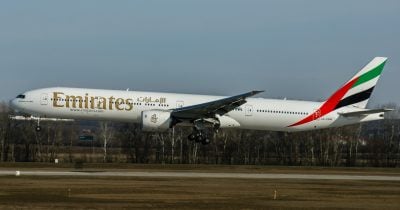
Emirates accepts Bitcoin and crypto payments for flights through Crypto.com partnership
This partnership could accelerate crypto's mainstream adoption, positioning Dubai as a global hub for digital finance and blockchain innovation. The post Emirates accepts Bitcoin and crypto payments for flights through Crypto.com partnership appeared first on Crypto Briefing.

Perplexity Computer integrates Model Council for multi-model analysis, and Wall Street should pay attention
Perplexity's integration could redefine financial analysis by leveraging diverse AI insights, challenging existing model ecosystems and enhancing decision-making. The post Perplexity Computer integrates Model Council for multi-model analysis, and Wall Street should pay attention

MetaMask integrates VietQR for direct bank-to-wallet funding in Vietnam
The integration could significantly boost crypto adoption in Vietnam by reducing transaction costs, potentially influencing regional market dynamics. The post MetaMask integrates VietQR for direct bank-to-wallet funding in Vietnam appeared first on Crypto Briefing.
XRP crypto price prediction: ETF inflows continue, but can XRP hold $1?
XRP ETF inflows remain positive, but slowing demand and a bearish price structure have placed the token’s $1 support back in focus.