Germany's Ruhr Valley is on brink of financial collapse
With tax revenues down and social spending up, more and more cities and towns in the Ruhrgebiet are struggling to make ends meet. One city that is particularly deep in the red is Oberhausen.
https://p.dw.com/p/5GsjiCentro is an Oberhausen success, but it can't fill the city's empty coffersImage: Kerstin Bögeholz/Funke Foto Services/IMAGOAdvertisementThe Centro mall is the one place the city of Oberhausen is famous for nowadays.
The shopping and entertainment center, with its 250 stores and restaurants, sits next to a marina with a promenade and right by Germany's largest Sea Life Aquarium. The complex was built in the mid-1990s on a site where 32,000 people had previously worked in the steel industry, which was once a cornerstone of Europe's manufacturing base. "Thanks to the Centro, we've created almost as many jobs again, but they're all in the service sector, where people don't earn as much," Oberhausen City Treasurer Apostolos Tsalastras said.
City Treasurer Apostolos Tsalastras says time is running out for his cityImage: DW/Sabine Kinkartz Demise of the Ruhr region The average income in the city is now among the lowest in Germany: "The gross domestic product we generate here is also one of the lowest nationwide," the treasurer admits. The Ruhr Valley, in the western state of North Rhine-Westphalia, was shaped by the 19th-century coal-powered industrial revolution, which became vital for Germany's armament production in the two World Wars. After the wars factories were first dismantled and then rebuilt to fuel what was called Germany's economic miracle in the 1950s.
A serious crisis began in the 1970s, when inflation and overcapacity saw raw steel production plummet, leading to plant closures and structural unemployment in the region. There are some remnants of the steel industry in Oberhausen, including a company that builds turbines for ships and power plants. But all of that is small-scale compared to the what it used to be, Tsalastras tells DW.
The structural economic problems since the decline of the coal and steel industries have been taking their toll for a long time. "We have no reserves, no capital investments we can liquidate, no assets we can sell, and so on," Tsalastras said. "We've been saving for 40 years; we've already sold everything: We have nothing left."
Oberhausen ranks among the cities with the highest debt in Germany. "We are in a truly dire situation," Mayor Thorsten Berg, of the center-left Social Democrats (SPD), told DW. "The major burdens we face are payments to youth welfare and long-term care," Berg said.
"The municipalities are expected to pay, but we don't get the money to do so. That's the flaw in the reasoning."Coalfields in transition To view this video please enable JavaScript, and consider upgrading to a web browser that supports HTML5 video Weak economy, lower revenue In Germany, decisions made at the federal and state levels force municipalities to, for example, pay the housing costs for welfare recipients or provide social assistance for people with disabilities.
In Oberhausen, 50% of expenditures are earmarked for social services. The costs of long-term care are rising because older people increasingly cannot afford to pay for nursing home care and the city has to step in. Expenditures for youth welfare have also risen sharply as children and adolescents are increasingly having to be removed from their families because either they or the parents are struggling — often with mental health issues.
Oberhausen's treasurer notes that the COVID-19 pandemic has left its mark, but the impact of social media is particularly concerning. Municipalities feel helpless Municipalities' largest sources of revenue are the trade tax and the property tax on land and real estate. Added to this is a 15% share of income tax.
However, the economic crisis, which has gripped Germany for seven years now, has hit tax revenues. Tsalastras has been in charge of Oberhauseny's finances since 2010. "We currently have an annual budget of €1.
2 billion, and our revenue falls short by about €100 million," the economist reports from his office in City Hall. By the end of 2025, Oberhausen had accumulated €2 billion in debt. A cash injection from the state government of North Rhine-Westphalia brought it down to €800 million.
Oberhausen's dilapidated theater is undergoing extensive renovationImage: DW/Sabine Kinkartz Cultural programs have long been subject to budget cuts. The renowned theater in Oberhausen has to make do with less money every year. Out of necessity, the building's urgently needed renovation is now being carried out while the theater remains open.
In the meantime, audience members are required to sit on the stage. Parking fees have been increased by 50%, and there are more traffic checks to collect fines. The city administration is also expected to make further cuts, with 5% of jobs set to be scrapped.
This will likely result in longer wait times for citizens at government offices. "Local citizens find this absolutely dreadful, but they know we have no other choice," Tsalastras said. Cuts to culture and services How long can Oberhausen continue without making more significant
Đọc thêm từ Thế giới
![[사설] 첫발 떼는 것도 힘겨운 민주당의 ‘청년 정치’](https://flexible.img.hani.co.kr/flexible/normal/300/180/imgdb/original/2026/0712/20260712502072.webp)
[사설] 첫발 떼는 것도 힘겨운 민주당의 ‘청년 정치’
본문사설.칼럼칼럼[사설] 첫발 떼는 것도 힘겨운 민주당의 ‘청년 정치’이정애기자수정 2026-07-12 20:46펼침0:00Your browser does not support theaudio element.구글 선호 매체 등록12일 국회 의원회관에서 열린 전국자치분권민주지도자회의(KLDC)에 더불어민주당 당 대표 후보 주자들이 나란히 앉아 있다.

Jude Bellingham reveals advice his mum gave him before match-winning Norway performance
Jude Bellingham shared the advice his mum gave him prior to his inspirational performance for England against Norway.
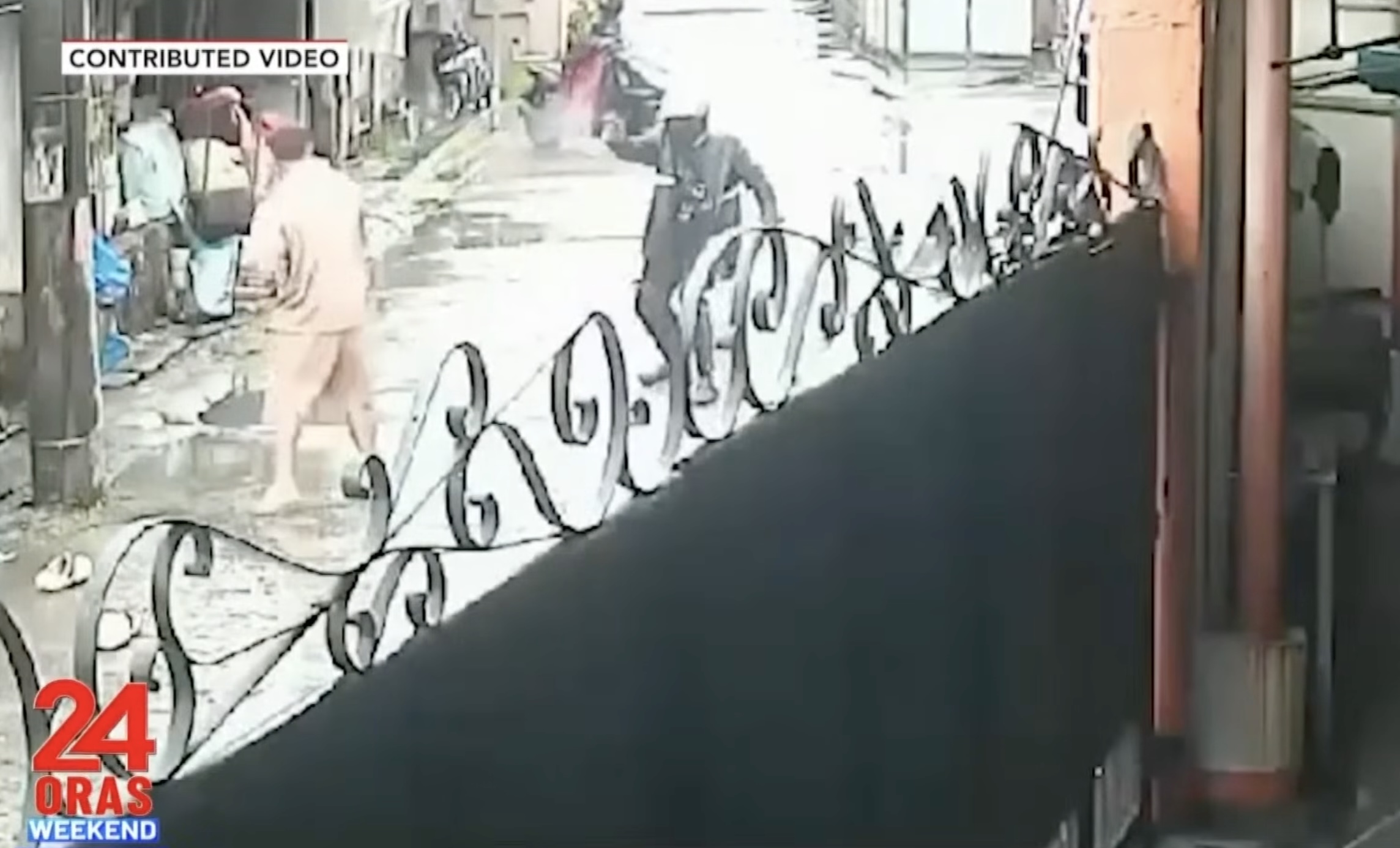
American robbed, shot dead by riding-in-tandem assailants in Teresa, Rizal
An American citizen was robbed and fatally shot by riding-in-tandem assailants in Teresa, Rizal.

Cebu City eyes skatepark at ex-Sinulog site in SRP
Skateboarders, BMX riders, inline skaters, scooter riders, and other extreme sports enthusiasts in Cebu City may soon have a temporary place to train and hold activities if a proposal at the City Council on Tuesday, July 14, pulls through....Keep on reading: Cebu City eyes skatep