Debilitating disability: struggles of families of children with chronic disabilities in Kerala
Families of children with chronic diseases are struggling to manage their lives and the medical treatment of their wards, finds C. Maya. Experts in the field highlight the need to evolve a societal support system for the families

It was a rain-drenched Thursday, and yet there was no let-up in the crowd thronging the corridors of the paediatric outpatient (OP) clinics at Sree Avittom Thirunal (SAT) Hospital, Thiruvananthapuram. Outside one of the clinics sat Vijay*, brooding, scrolling through the picture gallery on his mobile phone.He points to the picture of a young girl, in pigtails, smiling into the camera.
“The picture was taken when she was four years old. My little one would hop and skip, hang on to my hand and insist on sitting in front of my bike every time I took her out. Everything changed when she turned five and had to be hospitalised after a seizure,” he says as a lone tear streaks down his cheek.
Six-year-old Anusree* is today a ghost of her former self. She is mute, bedridden, on oxygen support at home and is fed through a Ryle’s tube. Last year, she had to be put on ventilator support at the hospital five times.
Vijay, her father, who runs a small business, has run up a debt of over ₹50 lakh to treat his only daughter, hoping that someday he can again take her on a bike ride.But her prognosis for cognitive and functional decline due to developmental epileptic encephalopathies with myoclonic seizures is poor.Nilina Jacob*, a Kannur native, has been staying in a rented house in Thiruvananthapuram for two years, alone with her younger daughter aged two years, who suffers from Pompe disease, a rare inherited neuromuscular disorder, and is on continuous oxygen support.
She gave up her job, left her eight-year-old son in the care of her family, and came to the city to provide better, more affordable medical care at SAT Hospital. The child requires enzyme replacement therapy, a prohibitively expensive treatment, for survival. She had to be rushed to the paediatric Intensive Care Unit of the hospital several times during the past few months.
Yet, Nilina refuses to give up.“It has been financially and emotionally draining. I cannot even sleep at night because I fear that she might stop breathing.
My husband is struggling to raise money for the treatment. My son cries over the phone at night because he misses me. The loneliness is terrible at times,” she says, as she breaks into a sob.
Lifelong careVijay and Nilina are two representatives of the hundreds of parents who frequent the paediatric palliative clinic at SAT Hospital; people whose lives changed forever when they discovered that their precious child has chronic disabilities requiring lifelong medical care.These parents are exhausted, physically, emotionally and financially. They are caregivers 24×7, sleep-deprived, depressed and for whom a pack of diapers has come to be more valuable than anything else in life.
While Kerala takes pride in its low infant mortality rate, one of the lowest in the country, the celebrated Neonatal Intensive Care Unit (NICE) survival rates are now telling the other side of the story — a growing downstream burden of children with neurodevelopmental disabilities, musculoskeletal disorders, congenital deformities and other chronic diseases.Lack of proper follow-upThe rigour of the health system of Kerala in ensuring the survival of every infant has not been matched by investment in ensuring proper follow-up and good developmental outcomes. A child saved in a NICU at 28 or even 24 weeks may go on to live with cerebral palsy, epileptic disorders or genetic conditions for years, while the families bearing that burden remain marginalised and invisible to the system, say medical experts.
“Over the years, we managed to bring down infant mortality drastically, but mortality has been replaced by morbidity. The proportion of children with complex, chronic and debilitating conditions has grown exponentially over the decade. Their care requirements are not something families can handle on their own,” observes P.
G. Hariprasad, Professor of Paediatrics, SAT Hospital, who runs a speciality OP clinic on Thursdays along with Pallium India, an NGO, which offers palliative care to children with chronic disabilities.Counselling is offered to parents on care issues and needy families are provided with consumables like diapers, air beds and wheelchairs.
Kerala lacks a comprehensive study on the prevalence of major neurodevelopmental disorders and chronic disabilities in children in the State. However, CDC Kerala 16, a survey covering over one lakh children below six years in Thiruvananthapuram in 2014, had identified that 3.08% of the surveyed were positive for developmental issues and multiple disabilities.
A 2025 study in Puthupally, Kottayam, reported an overall prevalence of neurodevelopmental disorders of 1.38% among children under 12 years.Neurodevelopmental disabilityA prospective cohort study from a tertiary Kerala NICU in 2016 found a 6.
2% incidence of major neurodevelopmental disability at one-year corrected ageamong preterm babies born at or before 33 weeks.The rising proportion of preterm and low-birth-weight (< 2.5 kg) [LBW] births in Kerala compounds this pi
Đọc thêm từ Thế giới

美 고용 지표에 엇갈린 뉴욕 증시, 다우 1.1%↑ 나스닥 0.8%↓
미국 6월 고용 시장이 예상을 하회한다는 자료가 발표된 2일 뉴욕 증시는 혼조세를 보였다. 다우 평균은 사상 최고치를 경신하며 뛰었지만, 기술주 중심의 나스닥 지수는 전날에 이어 또다시 하락했다. 연내 금리 인상 예상이 낮아지면서 미 국채 금리는 떨어졌다.
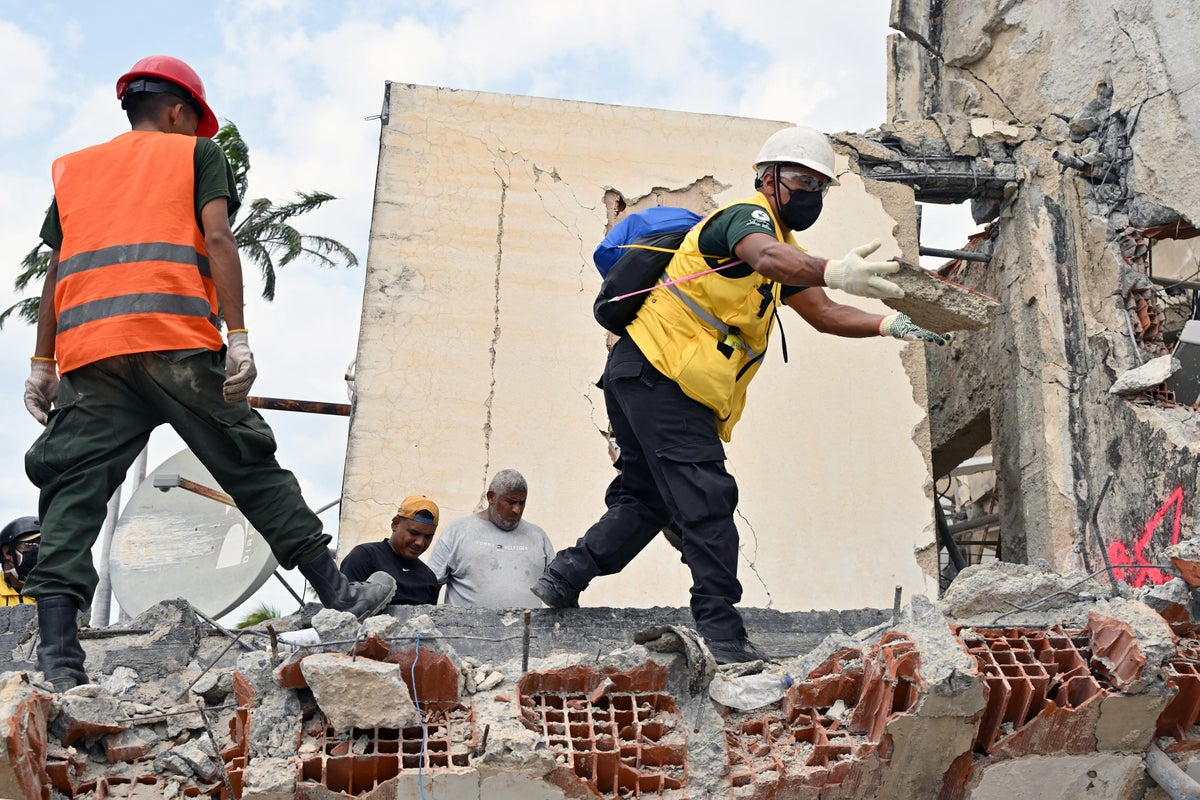
Venezuela earthquake rescue efforts continue as acting president faces criticism over response
Venezuela's government said as of Wednesday that at least 2,295 were killed and more than 11,000 were wounded
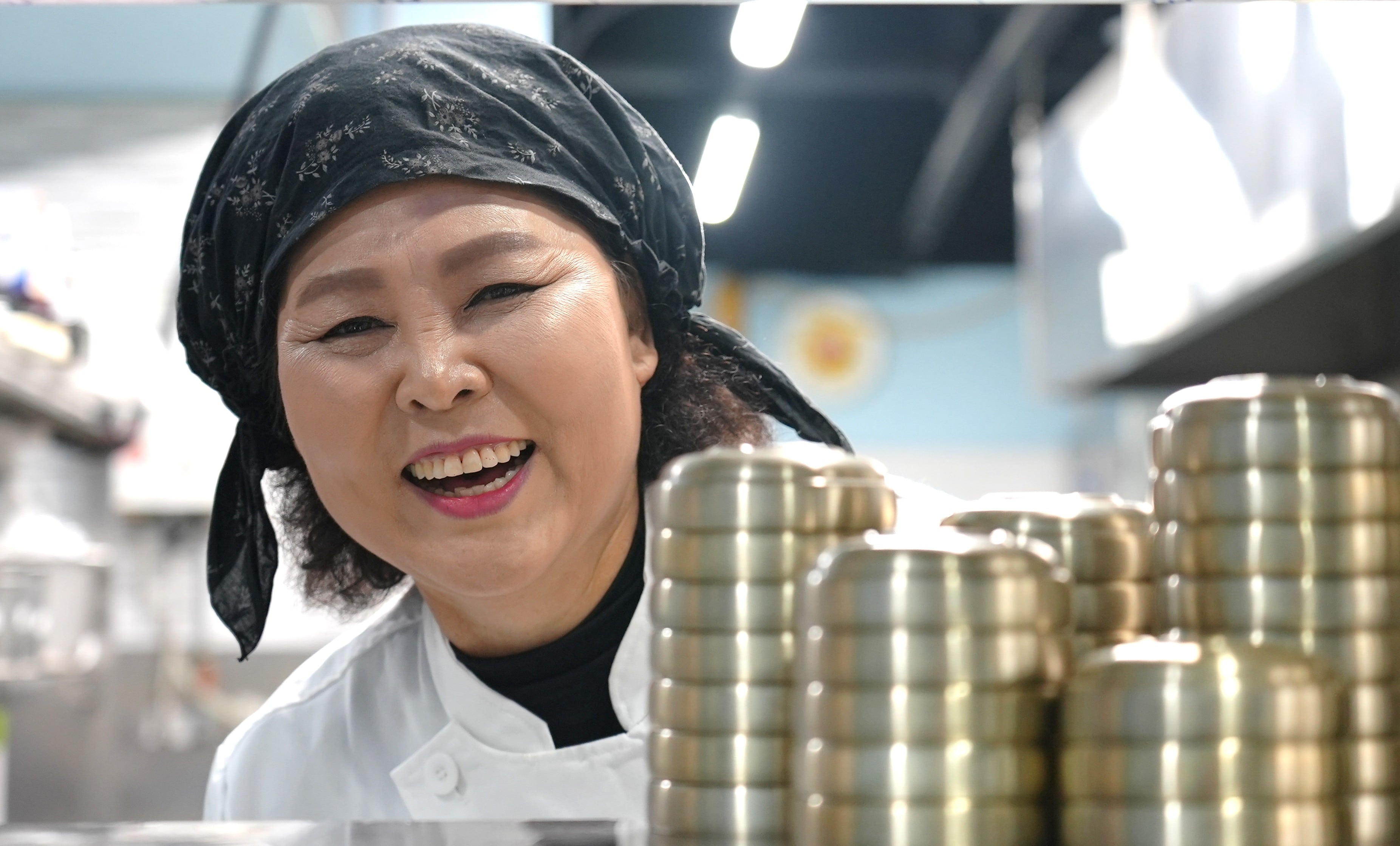
탈북민 출신 흑백요리사 이순실, 평양냉면 1인분 2400원 만두는 1알 300원
조선몰은 국내 제조·유통기업의 판로를 돕고, 독자 혜택을 위해 정산·교환·반품·AS 걱정이 없는 우수 제품을 단독 최저가로 소개합니다. 본 기사는 광고성 내용을 담고 있습니다.◇세줄 요약
!["드레스 입을 땐 필수지만…" 엄지원, 보정속옷 입고 '소화불량' 호소한 이유 ('적과의 동거') [순간포착]](https://www.chosun.com/resizer/v2/GY4GMYZTGJQWEZTDGVRDONZQGQ.jpg?auth=ab83d7bf2ed1b2e86f1c839003732b90ae41f06379a793868fa547d5d42576b9&smart=true&width=650&height=367)
"드레스 입을 땐 필수지만…" 엄지원, 보정속옷 입고 '소화불량' 호소한 이유 ('적과의 동거') [순간포착]
방송 시청 후 작성된 리뷰 기사입니다.[OSEN=박근희 기자] '은밀한 여자들: 적과의 동거’ 배우 엄지원이 완벽한 드레스 핏을 위해 입는 보정속옷의 남다른 고충을 토로했다.2일 전파를 탄 tvN 예능 프로그램 '은밀한 여자들: 적과의 동거'(이하 '적과의 동거')에서는 보정 속옷에 대해 이야기를 나누는 엄지원, 박선주, 김성은, 가정의학과 전문의 안지현의