Curiosity Sees Martian Sulfur Up Close
This close-up view shows fragments of sulfur crystals — the first ever seen on the Red Planet. The crystals were found after NASA’s Curiosity Mars rover happened to drive over a rock and crush it on May 30, 2024. Several days later, Curiosity used a camera on the end of its robot
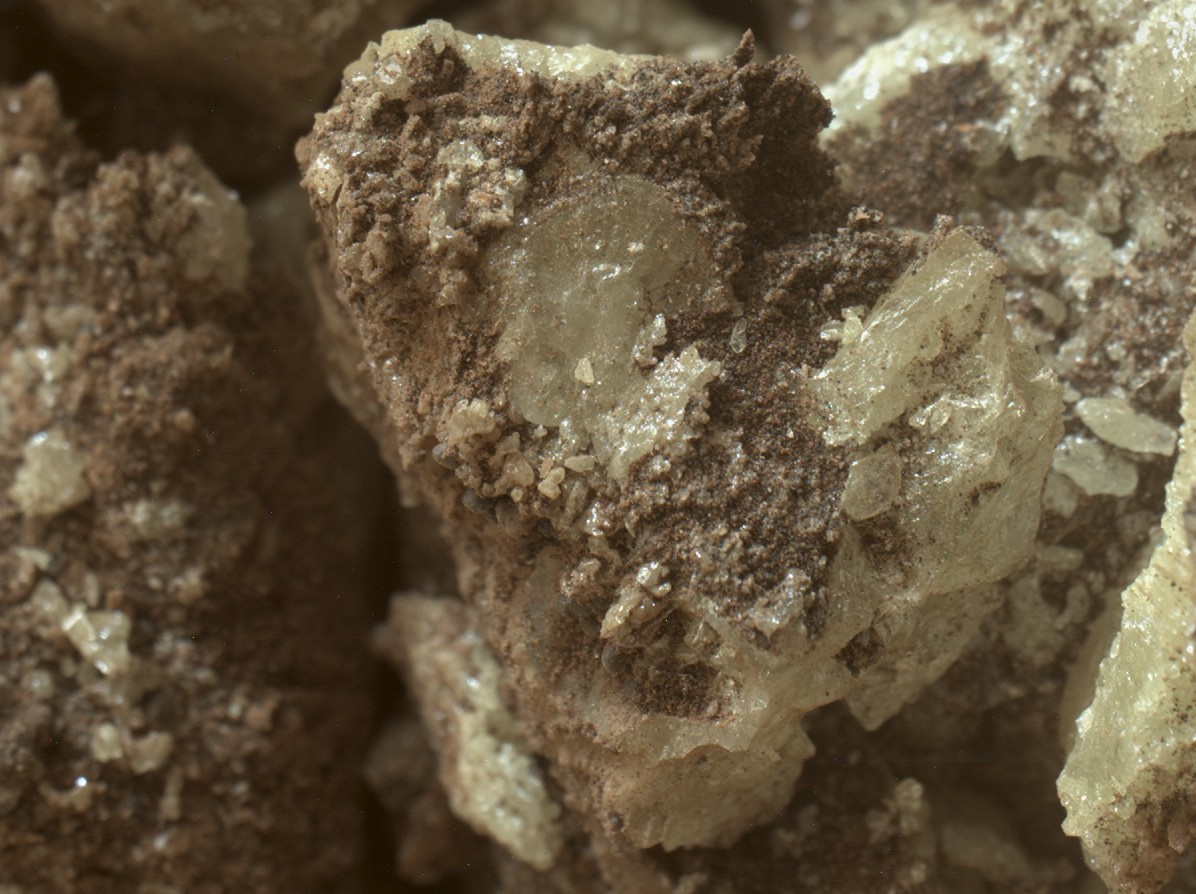
NASA/JPL-Caltech/MSSS This close-up view shows fragments of sulfur crystals — the first ever seen on the Red Planet. The crystals were found after NASA’s Curiosity Mars rover happened to drive over a rock and crush it on May 30, 2024. Several days later, Curiosity used a camera on the end of its robotic arm to take this image. A recent paper in Science suggests that the sulfur formed when magma deep below the surface released fluids or gases that deposited sulfur on the Red Planet’s surface about 3 billion years ago. Image credit: NASA/JPL-Caltech/MSSS
Đọc thêm từ Khoa học
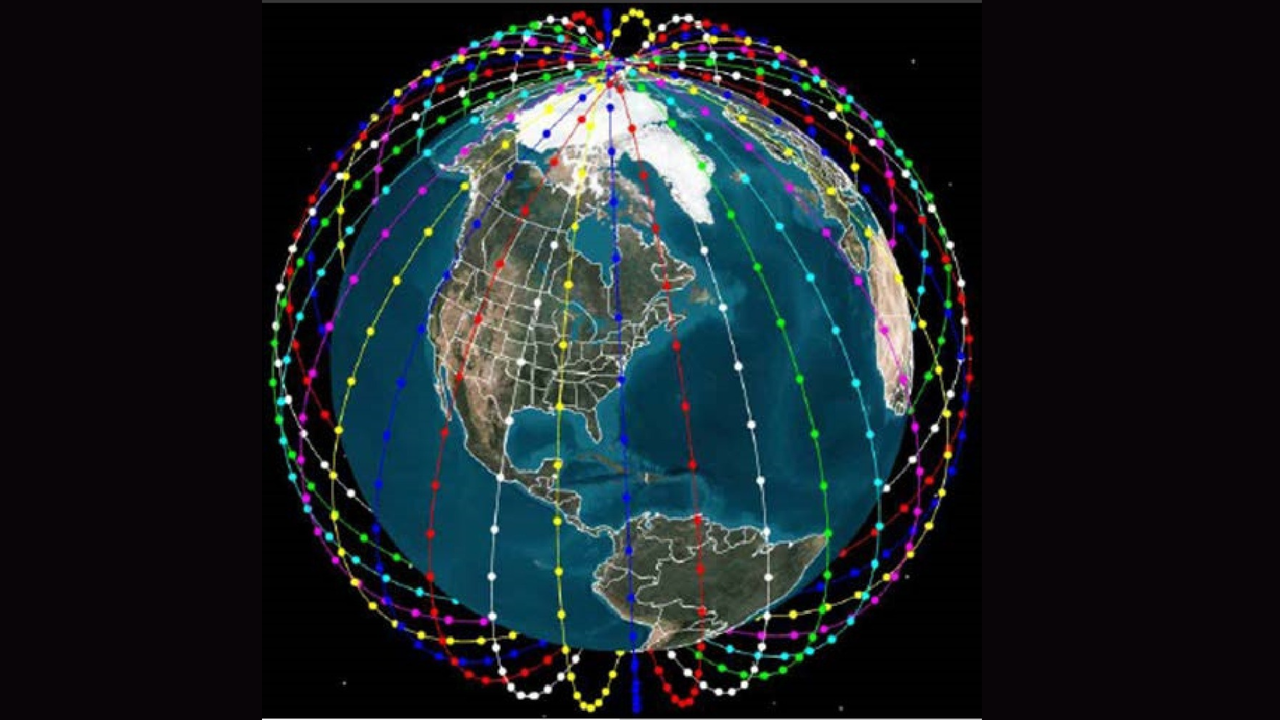
'Reckless' space-based data centers lack environmental review, drawing criticism
"Allowing a million orbiting data centers with no environmental review isn’t just irresponsible — it’s reckless."

9 new features Apple added to iPhones
Finally you can set your alarm volume separately. The post 9 new features Apple added to iPhones appeared first on Popular Science.

'Silo' season 3 showrunner Graham Yost explains the time jumps and turning half of the show into a political thriller (interview)
'We're harkening back to 'Three Days of The Condor,' 'The Parallax View,' and things like that of the '70s.'
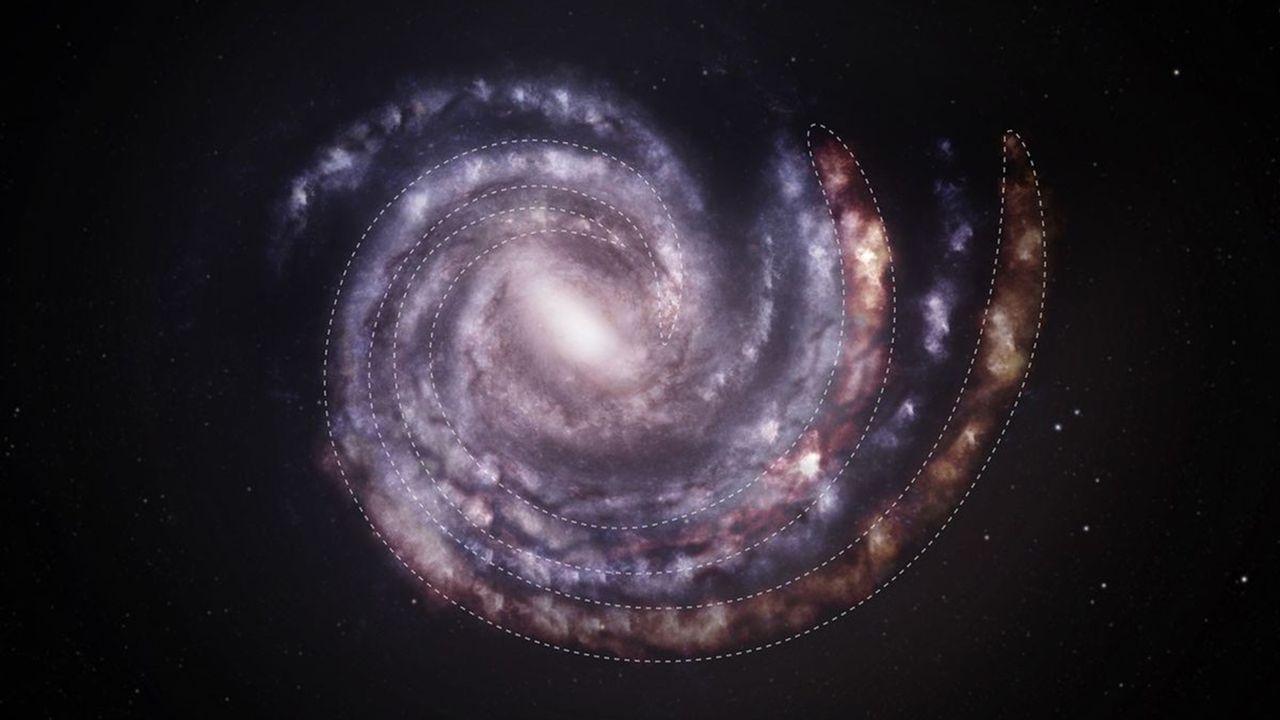
'Astronomers have to revise estimates': The Milky Way may be larger, heavier, and more lopsided than we realized
New measurements suggest that two of the Milky Way's spiral arms are around 10% farther away from Earth than we thought. The findings may require experts to revise estimates of the total size of our home galaxy.