Could matcha be slowing down how your body absorbs iron?
Should we be worried about the health impacts of drinking matcha? Experts break it down
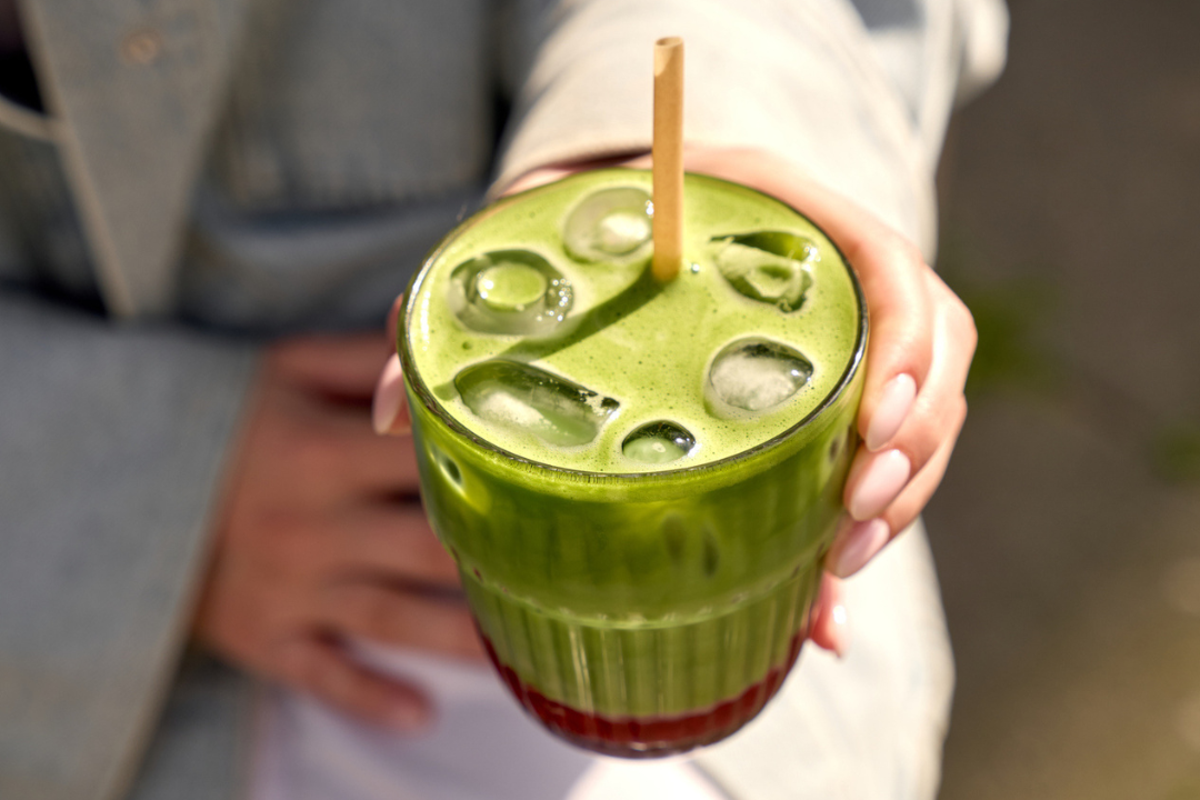
From berry-inspired creations on the high street to TikTokers whisking up DIY versions of the green tea in their kitchens, it seems like everyone is all over matcha this summer.But recently, concerns about the drink’s impacts on iron absorption have flooded social media.With influencers expressing worries that the tea may lower the body’s ability to process iron, some have raised concerns over the potential health risks versus its benefits.
So The Independent asked specialist dietitian and author of How Not To Eat Ultra Processed, Nichola Ludlam-Raine, and nutritionist of 17 years Sonal Jenkins for the facts and the myths.What is matcha and what are its benefits?open image in galleryThe vibrant green drink is known for containing hundreds of different antioxidant compounds (Getty/iStock)Thought to have first been consumed in 2700BC China, matcha is a powder made from finely ground, shade-grown green tea leaves.
Packed with powerful compounds called polyphenols – which are currently being studied for their cancer-fighting properties – matcha is recognised for a range of health benefits, including fighting oxidative stress and supporting heart health.It is rich in antioxidants, particularly a group called catechins, which help protect cells from damage. The most potent catechin in matcha, EGCG (epigallocatechin gallate), has been studied for its potential role in reducing inflammation.
Because matcha powder is whisked directly into water or milk, rather than steeped and discarded like a regular teabag, drinkers consume the entire leaf, getting a much more concentrated dose of nutrients and antioxidants.Does matcha reduce iron absorption?So, does drinking matcha actually prevent iron absorption in the body?
The short answer is yes, but whether this matters depends on the context.According to Ms Ludlam-Raine, the concerns surrounding matcha stem from its rich profile of tannins, which are a group of bitter plant compounds also found in coffee, red wine, and dark chocolate.“These tannins are what actually impact how iron is absorbed into the body,” Ms Ludlam-Raine explained.
When you drink matcha, tannins act like a magnet in your gut. They latch onto iron – specifically non-haem iron, which is found in plant foods like spinach, beans, and lentils – and bind it into a solid complex that your digestive tract cannot absorb. Ms Ludlam-Raine said because matcha is made from whole tea leaves, its higher concentration of tannins means it can affect iron absorption much more than a standard tea or coffee.
But she said “for most people, the impacts of one matcha a day aren’t going to be that big”.open image in galleryMatcha’s tannin-rich properties give the drink several health benefits (AFP/Getty)Who actually needs to worry?Ms Jenkins explained for anyone eating a balanced diet, their daily total iron intake easily overcomes the binding effect of a daily matcha.
However, two specific groups should pay more attention.The first group are vegans and vegetarians. Because plant-based eaters rely entirely on non-haem iron sources, heavy matcha consumption can potentially deplete iron stores over time.
The second group are people with low iron. If you are already struggling with maintaining your iron levels, or have been diagnosed with anaemia via a blood test, being mindful of things which can impact your body’s ability to process iron is especially important. How to enjoy matcha without affecting your ironEven if you are part of these groups, you don't need to give up your favourite green drink entirely.
Ms Ludlam-Raine shared a few simple tips that can make all the difference, such as spacing out matcha from your meals.“If you’re deficient in iron, or have lower ferritin levels, try and avoid drinking matcha directly before, or right after plant-heavy meals,” she said. “Wait around at least an hour or two before or after eating.”
By waiting, the body has time to absorb the iron before matcha can have any impact on the binding process. “The best time to have your matcha is in the mid-morning or afternoon, rather than after an iron-rich meal,” she added.open image in galleryVitamin C can help promote iron absorption in the body (Getty Images/iStockphoto)Adding more vitamin C to your diet can also boost your non-haem iron absorption, explained Ms Jenkins, which can neutralise any effect matcha might have on your iron levels.
“Taking a supplement or eating a portion of food rich in vitamin C is an easy way to up your iron,” she added. “Bell peppers, goji berries, and citrus are all great sources of vitamin C, which can help if you’re struggling.”Overall, it’s important to remember that matcha is not a “miracle drink”, Ms Ludlam-Raine said.
“It has some great benefits, and a few downsides, but that doesn’t mean you should avoid it either – just stick to one a day, and make sure you’re pairing it with a healthy, balanced lifestyle,” she concluded.Join our commenting forumJoin thought-provoking conversations, follow other Independent rea
Đọc thêm từ Thế giới

“상임위 배치 원칙 뭔가”…국힘, 상임위 불만에 멱살잡이까지
본문정치정치일반“상임위 배치 원칙 뭔가”…국힘, 상임위 불만에 멱살잡이까지조희연기자수정 2026-07-23 19:49펼침0:00Your browser does not support theaudio element.구글 선호 매체 등록정점식 국민의힘 원내대표가 23일 오전 국회에서 열린 의원총회에 참석해 이야기하고 있다.

Five reasons why you feel so tired in the summer – and what to do about it
Summer fatigue is a real phenomenon. Here’s how to combat it

Hong Kong Disneyland rolls out afternoon tickets, extra cooling to beat the heat
Hong Kong Disneyland Resort has introduced a discounted afternoon ticket and expanded its cooling facilities to help minimise operational disruptions arising from hot weather and heavy rain over the summer. The theme park on Lantau Island on Thursday unveiled a “Summer Chill” 4pm

Ông Trump đón thi hài 4 lính Mỹ thiệt mạng do hỏa lực Iran
Ông Trump cùng các quan chức dự lễ đón thi hài 4 quân nhân Mỹ thiệt mạng do hỏa lực Iran, sau khi giao tranh giữa hai nước tái bùng phát.