China’s e-commerce platforms help unlock global markets for South Korean brands
South Korean e-commerce companies are increasingly turning to Chinese platforms to help sellers tap rising demand for Korean products, offering a lower-cost route into China and other overseas markets without building local operations. 11street, one of South Korea’s major online
AdvertisementChina consumptionEconomyGlobal EconomyChina’s e-commerce platforms help unlock global markets for South Korean brandsChina’s cross-border platforms, which sell to millions of shoppers, are acting as a low-cost route to overseas customers in several regions2-MIN READ2-MIN ListenYeon Woo LeePublished: 10:00am, 20 Jun 2026South Korean e-commerce companies are increasingly turning to Chinese platforms to help sellers tap rising demand for Korean products, offering a lower-cost route into China and other overseas markets without building local operations.11street, one of South Korea’s major online marketplaces, recently opened a storefront on JD Worldwide, JD.com’s cross-border e-commerce platform, where about 700 million consumers have made at least one purchase over the past year.
The store carries products from about 350 Korean brands, led by beauty labels, processed foods, fashion items and health supplements. Sellers would only need to register their products, as logistics, marketing and other operations would be handled by platforms acting as intermediaries, the company said.Advertisement“We hope the store will serve as a catalyst for revitalising e-commerce between Korea and China,” said Shin Hyun-ho, executive director of corporate strategy at 11street.
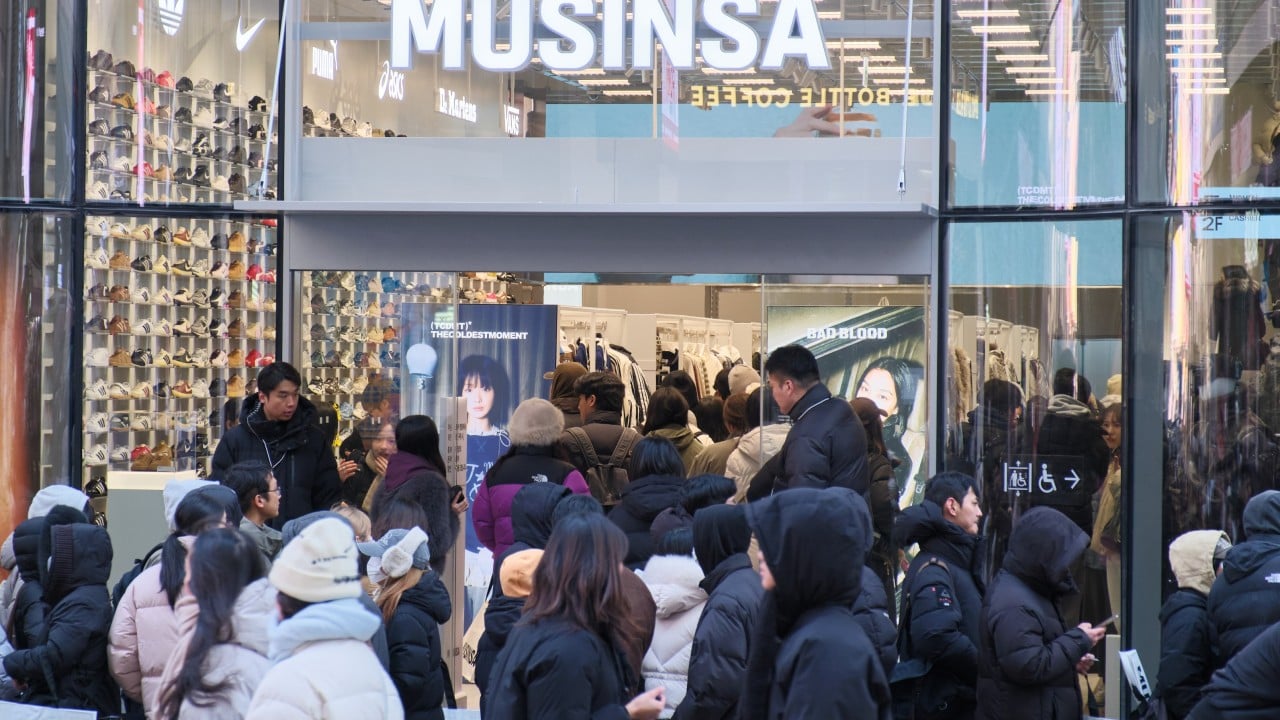
Musinsa, South Korea’s leading fashion platform, also said on June 8 that it had partnered with Tmall Global to help Korean fashion brands reach more Chinese consumers.AdvertisementThe moves come as Chinese consumers account for an important share of South Korea’s cross-border e-commerce market, supported by the growing popularity of Korean products.According to South Korea’s Ministry of Data and Statistics, the country’s online direct overseas sales reached 1.
06 trillion won (US$700 billion) in the first quarter, topping the 1 trillion won mark for the first time in about four and a half years. China was the largest market by country, accounting for 376.3 billion won.
AdvertisementSelect VoiceSelect Speed0.8x0.9x1.
0x1.1x1.2x1.
5x1.75x00:0000:001.00x
Đọc thêm từ Tài chính

‘Tap your cultural foundation’, Shangri-La’s Kuok Hui Kwong tells Hong Kong tourism trade
Hong Kong should do more to leverage its traditional festivals to draw international visitors and build its competitive advantage in cultural tourism, Shangri-La Group chairman and CEO Kuok Hui Kwong has said. Kuok, the daughter of Malaysian tycoon Robert Kuok, said Hong Kong had

‘Isn’t it hot?’: latex fan aims to stretch Malaysia’s conservative fashion norms
Celty arrives at a cosplay venue in Kuala Lumpur and does not look the part yet, dressed in jeans and a plain t-shirt. He finds a toilet, locks a cubicle door, transforms his looks and is ready to turn heads – dressed from head to toe in a helmet, boots, choker, corset and a glos

China puts world’s first smart squid fishing robot to the test
China has tested what it calls the world’s first intelligent squid fishing robot that can mimic the motions performed by humans to attract the deep-water creatures to the surface. The smart machine is currently undergoing sea trials aboard the Song Hang scientific research vessel