Cancer drug fiasco shows why Burnham must focus on Britain in Europe
Editorial: An intolerable situation that should be a high priority for the UK-EU reset talks when Burnham becomes PM
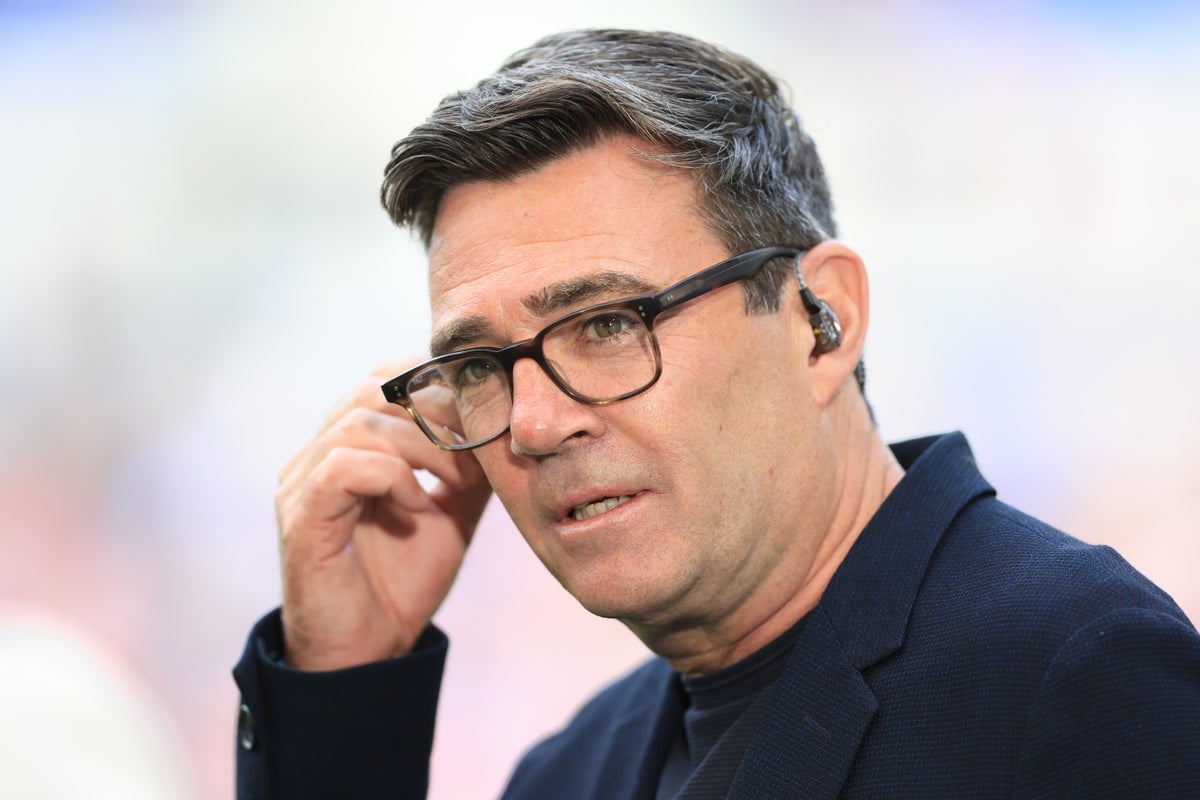
Much of the very real damage inflicted on Britain by the decision to leave the European Union in 2016 is couched in cold, abstract terms: loss of GDP, the opportunity cost of investments forgone, billions of pounds in lost tax revenues. Seldom are the personal, human consequences so graphically illustrated as they are in The Independent today as we report how British children with a rare and aggressive brain cancer have been denied a potentially life-extending drug trial.With the illness virtually impossible to treat let alone cure by present methods, every step should be taken to develop new ones.
But the second phase of a clinical trial has been delayed because of Brexit, since the UK now lies outside the EU’s regulatory framework. There are other trials in this field, but as the scientists involved argue, any barrier to vital research in this area is “frustrating”. Indeed, Cancer Research points out that Brexit has slowed the launch of clinical trials and increased the costs for multiple drugs to treat cancers.
In the case of approved drugs, Brexit has disrupted supply chains and caused unnecessary shortages of prescription medicines, including for epilepsy and cystic fibrosis.It is an intolerable situation, and remedying it should be a high priority for the UK-EU “reset” negotiations when Andy Burnham takes over as prime minister. Like Sir Keir Starmer, Mr Burnham is committed to rebuilding crucial links with European partners, and this is one area in which there will be a very welcome continuation of that policy.
Better still would be more ambition and pace in the direction of travel, albeit for the moment constrained by Labour’s 2024 manifesto red lines on the EU single market and customs union. Nonetheless, there is much that can be done in this parliament to boost trade, investment and scientific research.A fine example of this, and one that should be applied to drug research, is how the UK has quietly rejoined the EU’s £80bn Horizon science research programme.
This was actually achieved when Rishi Sunak was prime minister, and he abandoned the performative hostility to the EU that had characterised the Johnson and Truss premierships. More than two years in, Britain’s universities and institutions have recovered a leading role. The Horizon programme will commence its next five-year programme next year with Britain firmly at the forefront of its activities, pooling sovereignty to mutual advantage.
For the new prime minister, constrained as he is by so many formidable fiscal and political obstacles, Europe represents a rich agenda for incremental but significant change in the national interest. For farmers, consumers, manufacturers, performers, students, professionals and scientific researchers alike, taking down the barriers to freedom of movement of people and goods achieves at least three things. First, it brings some immediate tangible benefits, not least in the context of cancer research.
Second, it boosts economic growth for the longer term, helping raise living standards and public services. Third, it helps win the argument for “more Europe”, not less, and how the EU, far from being to blame for Britain’s malaise, helps to alleviate it.Assuming Mr Burnham leads his party into the next election, it will fall to him to deepen the nation’s links with Europe and make the case for still closer cooperation, further relaxing the red lines adopted by his predecessor and reopening the European debate.
For the moment, Reform UK still leads in the opinion polls, despite multiple scandals. Nigel Farage is promising to renegotiate the Brexit treaty signed by Boris Johnson, wants to strip EU citizens of their rights to benefits, and threatens a trade war with Britain’s biggest trading partner. The human and wider economic costs of Brexit have been grievous, but they could easily be made worse still if Mr Farage has anything to do with the future of the country.
Sadly, despite the progress she has made, Kemi Badenoch’s stance seems as defiantly Eurosceptic as it was during the last Conservative government. It is essential for Mr Burnham to give himself a great defining mission and win the case for Britain in Europe.Join our commenting forumJoin thought-provoking conversations, follow other Independent readers and see their repliesComments
Đọc thêm từ Thế giới

Lindsey Graham likely died from aortic rupture, medical examiner says
US Senator Lindsey Graham, a close ally of President Donald Trump and a leading Republican voice on foreign policy, died on Saturday after a brief illness, his office said. He was 71. The District of Columbia medical examiner said the preliminary cause of death was an aortic diss

미군 "이란에 추가공습 개시…호르무즈 상선 공격역량 약화"
(워싱턴=연합뉴스) 백나리 특파원 = 미군 중부사령부는 12일(현지시간) 호르무즈 해협에서 상선을 위협하는 이란을 상대로 추가 공습을 개시했다고...
Australia news live: auction clearances nudge up after weeks under 50%; state farewell for Richard Scolyer
Almost 55% of homes at auction were sold, weekend figures show. Follow today’s news liveGet our breaking news email, free app or daily news podcastRichard Scolyer to have state memorial service at Sydney Opera HouseRichard Scolyer, the 2024 Australian of the Year, will be honoure
![[유형재의 새록새록] 숲속 육아 전쟁, 어미 꾀꼬리의 세상 가장 고운 노래](https://img.yna.co.kr/etc/inner/KR/2026/07/09/AKR20260709160500062_01_i_P2.jpg)
[유형재의 새록새록] 숲속 육아 전쟁, 어미 꾀꼬리의 세상 가장 고운 노래
(강릉=연합뉴스) 유형재 기자 = 어미 꾀꼬리가 갓 태어난 새끼가 있는 둥지로 돌아가기 직전 세상 가장 아름답고 부드러운 소리를 내며 작은 숲을...