California ocean is 4°C hotter as whales vanish and pelicans starve
The rising ocean temperatures off California's coast are creating serious repercussions for marine life. Whales are being pushed away from their traditional feeding zones, while seabird populations face starvation. Additionally, great white sharks are venturing closer to shore, p
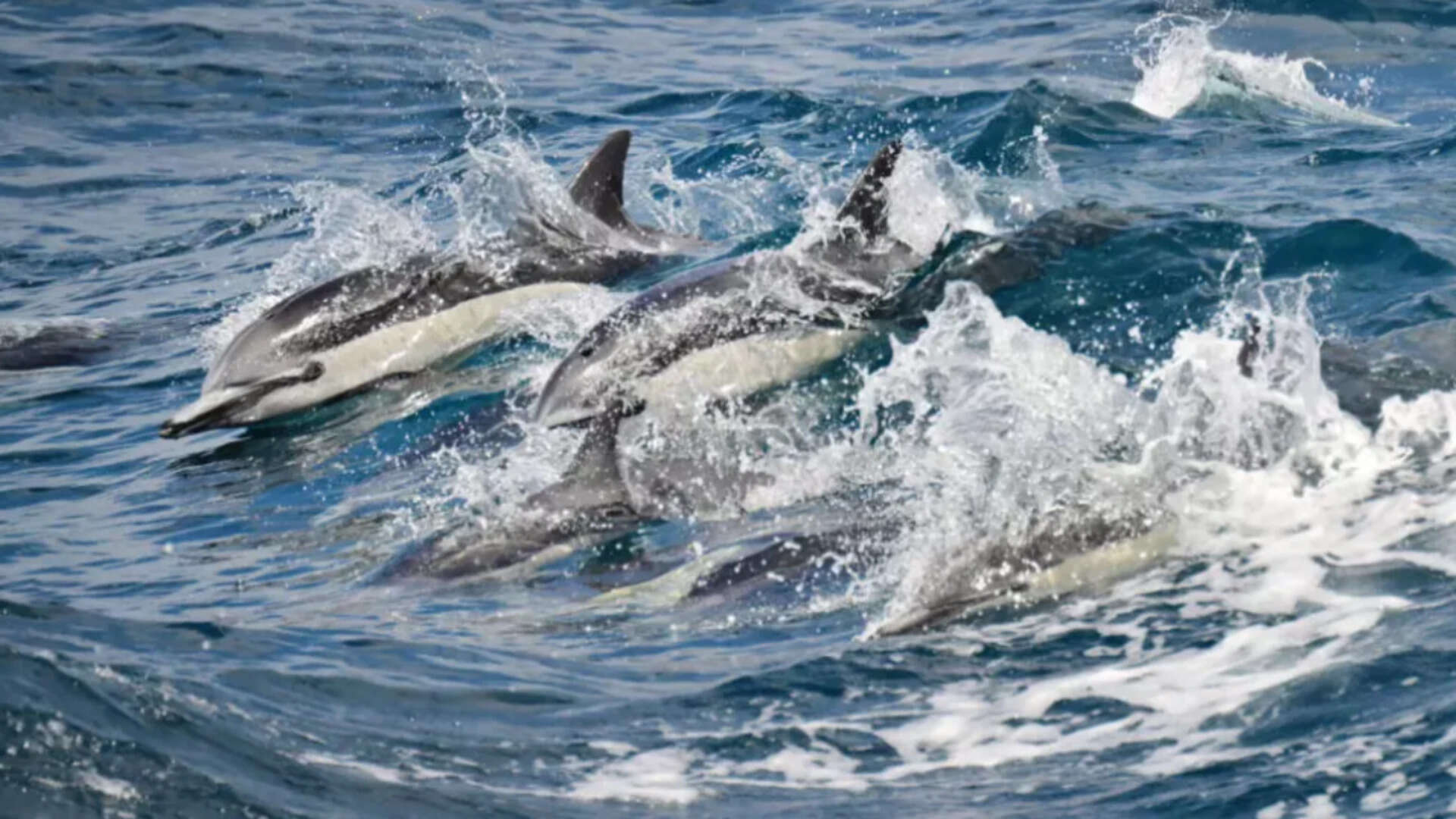
EditionININUSGCCEnglishEnglishहिन्दीमराठीಕನ್ನಡதமிழ்বাংলাമലയാളംతెలుగుગુજરાતીWeatherSign InTOIToday's ePaperLive EditionININUSGCCEnglishEnglishहिन्दीमराठीಕನ್ನಡதமிழ்বাংলাമലയാളംతెలుగుગુજરાતીWeatherSign In TOIToday's ePaperLive NewsWorld NewsUS NewsCalifornia’s ocean is up to 4°C hotter than normal; whales are disappearing, pelicans are starving and sharks are moving closerTrendingRussia Missile AttackBenjamin NetanyahuChile WatershedLondon protestSeattle shootingIran warDonald TrumpRussia Missile AttackBenjamin NetanyahuChile WatershedLondon protestSeattle shootingIran warDonald TrumpRussia Missile AttackBenjamin NetanyahuChile WatershedLondon protestSeattle shootingIran warDonald TrumpCalifornia’s ocean is up to 4°C hotter than normal; whales are disappearing, pelicans are starving and sharks are moving closerTOI World Desk / TIMESOFINDIA.COM / Jul 27, 2026, 22:05 ISTCommentsShareAA+Text SizeSmallMediumLarge Dolphins frolic in the surf off Long Beach, California -- but sightings are more and more rare Ocean temperatures along the California coast have climbed up to 4°C above average, driving whales away from usual feeding spots, starving seabirds, and pushing great white sharks uncomfortably close to public beaches.Data from the US National Oceanic and Atmospheric Administration (NOAA) shows this marine heatwave has lasted for about six months.
The heat is now linking up with El Niño, a weather pattern that warms surface waters across the central and eastern Pacific Ocean.Scientists worry this double hit could match or beat the damage seen during the 2015–2016 El Niño, which caused massive die-offs of ocean animals across the state.A passenger on a whale watching excursion takes pictures of dolphins in the waters off Long BeachDisappearing whales and hungry seabirdsWhen ocean waters stay warm, small fish like anchovies and sardines swim deeper or head north to find cold water.
Bigger sea animals follow their food, leading to a sharp drop in whale and dolphin sightings near the coast.Sara Lesser, a 39-year-old naturalist at the Aquarium of the Pacific in Long Beach, watches these changes on daily tour boats."The number of whales and dolphins we're seeing is less than we would on a normal year," Lesser told AFP, explaining that dolphins and whales "are going to follow their food, and so we're seeing less sightings."
The problem goes far beyond missed boat tours. Nearby shores are already showing clear signs of trouble. Dozens of pelicans and cormorants were recently found dead near San Diego, matching the large bird die-offs from ten years ago.
Andrew Leising, a research oceanographer at NOAA, warned that California's sea lions could be next. During bad ocean heatwaves, mother sea lions have to leave their pups behind for longer periods to hunt for food further out at sea.Toxic algae blooms and coastal shark sightingsWarm water also feeds big blooms of toxic algae that make a poison called domoic acid.
The poison builds up inside sardines and anchovies, making the larger animals that eat them sick.In Monterey Bay, south of San Francisco, high poison levels caused two humpback whales to wash up dead on the beach in early June.Elliott Hazen, an adjunct professor at the University of California, Santa Cruz, said whale deaths from domoic acid poison had not happened in the area for ten years."
These are such large predators, it just highlights how much domoic acid there has to be in the ecosystem for it to affect them," Hazen told AFP.While animals that need cold water swim away, young great white sharks are coming closer to shore to stay in warm, shallow water.During a recent boat trip run by the Aquarium of the Pacific, passengers saw a shark fin stick out of the water.
"It's not common for us to see them," Lesser said. "But younger sharks like to be in warmer waters, and so we're seeing sharks closer to shore."These shark visits have made locals nervous.
A Malibu resident filmed a young white shark swimming just a few feet from kids in the water, while Huntington Beach officers closed beaches three times this past spring due to aggressive sharks.A juvenile humpback whale washed ashore after dying from domoic acid poisoning in Monterey BayCollapse of underwater forests and local fishingBeyond animals you can see from the shore, the extreme heat is destroying plant life under the water. Giant kelp forests, which grow thick underwater canopies along the coast, break down and die in warm water.
These kelp beds act as homes for hundreds of ocean species, giving young fish and crabs a safe place to hide. As the kelp dies, sea urchins multiply quickly and eat up the rest of the reef plants.Losing these kelp forests hurts local fishing towns.
Salmon fishing is facing tough cuts because warm ocean water makes it much harder for young salmon to survive.At the same time, crab and clam fishermen face seasonal shutdowns because domoic acid poison builds up in shellfish, making them unsafe to eat.Even protected ocean parks cannot
Đọc thêm từ Thế giới

Holly Willoughby hints first YouTube channel guest is Hollywood icon
Holly Willoughby has teased the first guest on her new YouTube channel, who appears to be a Hollywood star.
Haiti schedules first election in a decade for December
PORT-AU-PRINCE, July 27 - Haiti's CEP electoral council on Monday scheduled the first presidential elections in a decade for December with a runoff in February, after plans to hold the vote in August with a December runoff were postponed over security concerns.

"네타냐후, 트럼프와 회담 위해 가자 '국제안정화군' 배치 강행"
(카이로=연합뉴스) 김상훈 특파원 = 베냐민 네타냐후 이스라엘 총리가 도널드 트럼프 미국 대통령과의 정상회담을 성사하기 위해 안보 분야 각료회의...
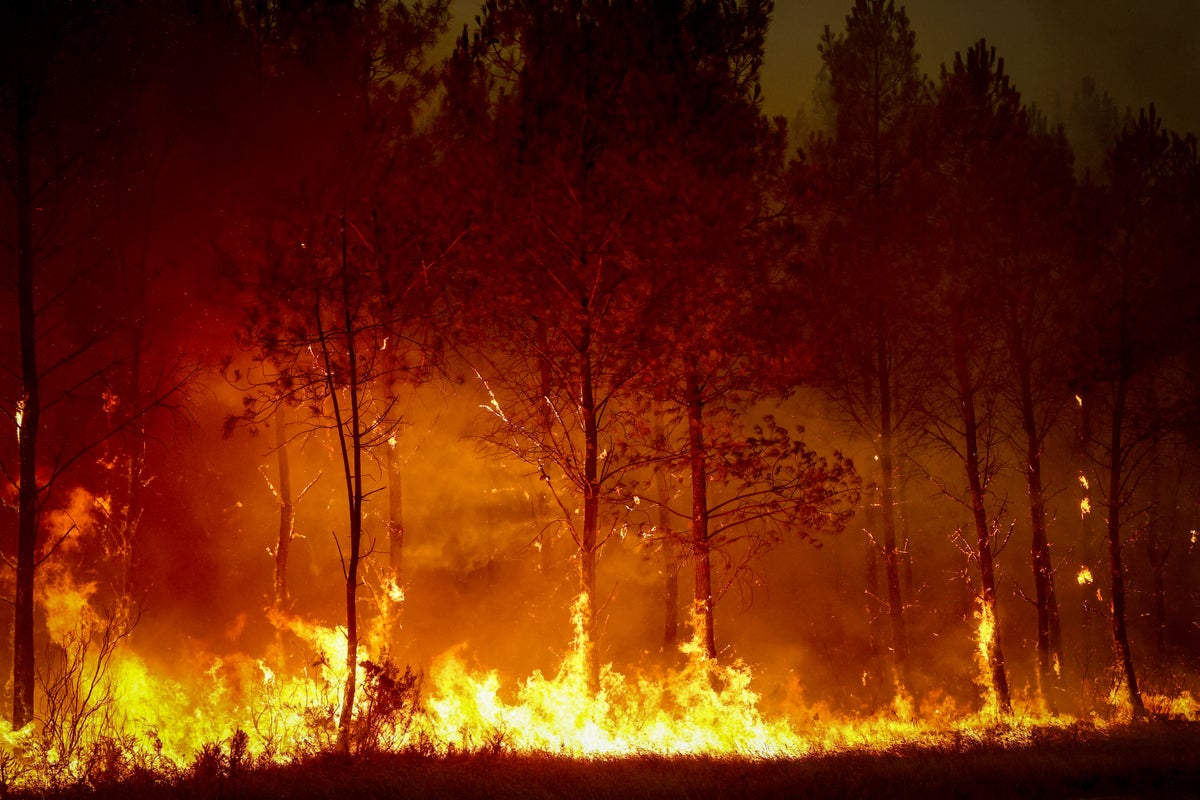
William says wildfires are ‘stark reminder’ of ‘increasingly extreme climate’
Prince William issues statement after ‘devastating wildfires’ in France, Spain and UK