Biological 'superspreader' event could be imminent as more than 1,000 ships idle in the Strait of Hormuz, scientists warn
The prolonged closure of the Strait of Hormuz may pose significant biosecurity hazards as well as economic impacts, with potentially devastating consequences for global ecosystems and human health.
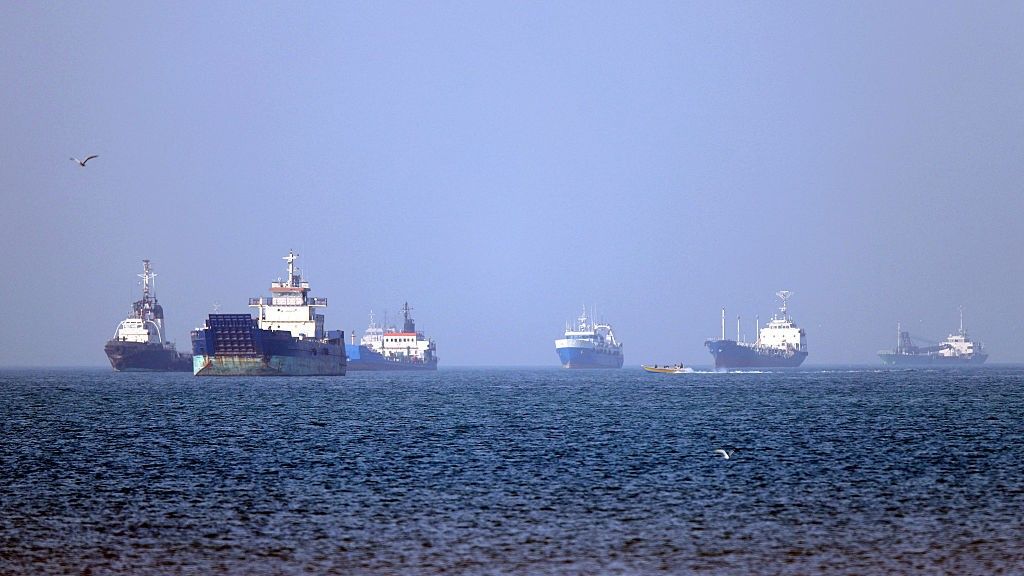
Live Science plus Get started to get free access to selected news stories, receive our daily newsletter, post comments, play games and earn badges. JOIN FREE Live Science pro Unlimited access to our exclusive features, expert analysis and in-depth interviews, all ad-free No ads, ever Exclusive, original reporting Scientist interviews and video Member-only features Join live science pro Ships anchored in the Strait of Hormuz off Bandar Abbas in southern Iran after passage through the key shipping route was restricted by Iran due to ongoing conflict in the Middle East. (Image credit: AMIRHOSSEIN KHORGOOEI/Getty Images) Copy link Facebook X Reddit Pinterest Flipboard Share this article 0 Join the conversation Follow us Add us as a preferred source on Google Newsletter Subscribe to our newsletter An ecological "superspreader" event may be imminent as more than 1,500 ships continue to idle in the closed Strait of Hormuz, with the potential to cause serious impacts for human health and global marine ecosystems, scientists warn.
In a study published July 22 in the journal Biological Invasions, scientists explain how the hundreds of stranded commercial vessels sitting idle on both sides of the strait are being colonized by marine microbes, algae, seaweed, barnacles and other invertebrates. The problem is that once these ships start moving again, these organisms will be spread all around the world."The unprecedented scale and duration of this spring and summer mass lay-up of large commercial ships has created ideal conditions for a marine invasive species 'super-spreader' event," Mario Tamburri, a professor at the University of Maryland Center for Environmental Science and first author of the study, said in a statement.
The Iran War is already having devastating impacts around the world. After the U.S.
and Israel launched strikes on Iran on Feb. 28, Tehran retaliated by restricting shipping traffic through the Strait of Hormuz — a critical shipping route that connects the Persian Gulf and the Gulf of Oman and facilitates the transport of 20% of the world's oil supply, according to the U.S.
Energy Information Administration.But the economic impacts of the waterway's prolonged closure are only part of the story.While it's common for cargo ships to linger for a day or two at most ports, the study authors say these organisms — which are arriving from all over the world and are now mixing and spreading among the other stationary vessels — really begin to flourish after about 10 days of inactivity.
When ships are idle for longer than 10 days, these organisms start to colonize "aggressively" as the special coatings that protect ships from contamination start to work less effectively, the researchers write. And once these organisms are brought into new environments, they can wreak havoc on local ecosystems.Sign up for the Live Science daily newsletter nowGet the world’s most fascinating discoveries delivered straight to your inbox.
Contact me with news and offers from other Future brandsReceive email from us on behalf of our trusted partners or sponsors"Marine invasions are hard to predict but it is possible for several species to establish themselves in new habitats and with some causing significant environmental and economic impacts," Tamburri told Live Science in an email.Tamburri pointed to the example of zebra mussels (Dreissena polymorpha) in the Great Lakes. The mollusks, which are native to Europe and Asia, are thought to have been introduced to the U.
S. in the 1980s via water discharged from large European cargo ships, according to the U.S.
Geological Survey.The impacts of these invasive animals are widespread: They filter out algae that native species need for food and attach to native mussels, preventing them from moving, feeding or reproducing, according to the National Park Service (NPS). They also clog pipes and water supply systems, which cost millions of dollars to fix.
Each female zebra mussel can produce thousands of eggs, so once populations are established, there is "very little" that can be done to remove them, the NPS notes.In addition to outcompeting native species for space and resources, invasive species can spread disease."One of the less perceptible concerns from biological invasions is the potential spread of infective stages of parasites and diseases that are either entrained within ship ballast tanks or associated with organisms attached to ship hulls," April Blakeslee, an associate professor of biology at East Carolina University, told Live Science in an email.
Parasites and diseases introduced by ships could then spill over to native species, which could affect ecologically and/or commercially valuable species, or possibly pose concerns for human health, Blakeslee added.In other words, these species could spread diseases with the potential to infect local wildlife and humans, as well as fisheries and aquaculture.RELATED STORIESIran war has already released a staggering amount of CO2 — and the de
Đọc thêm từ Khoa học

Chinese rocket hit by rare midair lightning strike moments after launch as onlookers gasp in horror (video)
A Long March 3B rocket was struck by lightning in front of a packed crowd, around 30 seconds after lifting off from a Chinese spaceport. Despite this, the spacecraft survived its ascent and successfully deployed its payload in orbit.
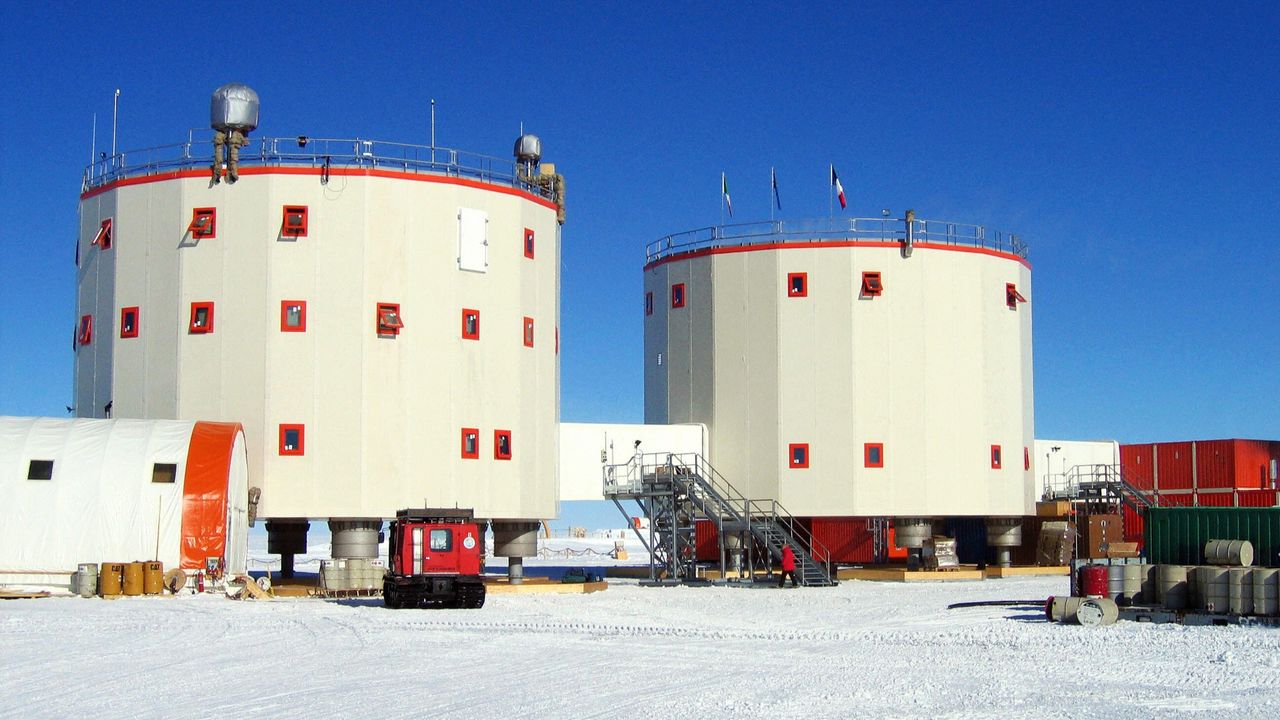
Antarctica just experienced minus 119 F, Earth's coldest temperature since 2012 — here's why
Too hot? Head to the Concordia research station in Antarctica, where "astronauts of ice" just experienced near-record-breaking cold.
/https://tf-cmsv2-smithsonianmag-media.s3.amazonaws.com/filer_public/54/b9/54b9ea8f-d2df-491c-bd8b-26b8c0a3d3f3/hero_shot_2_-_courtesy_of_guggenheim_abu_dhabi.jpeg)
See the New Frank Gehry Building Rising From the Shore of the Persian Gulf in Abu Dhabi to House a Global Art Collection
Officials just announced a December opening for the Guggenheim Abu Dhabi, the long-awaited fourth installment in the Guggenheim Foundation's lineup of art museums
/https://tf-cmsv2-smithsonianmag-media.s3.amazonaws.com/filer_public/2e/16/2e1692ce-96b5-46ed-a58d-f77d39ec4941/gettyimages-2266939436.jpg)
How A.I. Will Reshape Radiology—Without Replacing Radiologists
Human experience and flexibility are still necessary even as digital diagnostic tools improve