‘Aunties were invisible. AI helped me change that’: Wenhui Lim on the Antiverse
Wenhui Lim, aka ‘niceaunties’, is a Singapore-based artist, designer, and public speaker whose practice centres on reimagining the cultural figure of the “auntie.” Through speculative storytelling, she places ageing women at the centre of everyday life, exploring themes of food,

Wenhui Lim speaking at Upscale AI Conference in San Francisco Wenhui Lim, aka ‘niceaunties’, is a Singapore-based artist, designer, and public speaker whose practice centres on reimagining the cultural figure of the “auntie.” Through speculative storytelling, she places ageing women at the centre of everyday life, exploring themes of food, beauty, care, and environmental awareness through AI, digital art, and mixed media. Influenced by surrealism, fantasy, kawaii culture, and her architectural background, Lim’s work champions empowerment and self-expression.
Also Read: In the age of AI, people matter more than ever At the Upscale AI conference, organised by Magnific in San Francisco, e27 sat down with Lim to talk about ageing, creative freedom, and why the tech world still misunderstands what AI can actually do. Excerpts: For unfamiliar readers, what are niceaunties, and how was it started? It actually started with AI.
When I began experimenting with text-to-image tools, I realised I could generate a huge volume of content very quickly. But I needed a structure around it, something to anchor the work. The most natural thing was to draw from the culture I grew up in: auntie culture.
I had been sitting with these questions for a long time. Why do aunties talk the way they do? What kind of auntie do I want to become?
How do I want to age? So I came up with the name niceaunties first, created an Instagram account, and started making art. It grew from there.
The “auntie” is such a loaded figure in Singapore. What made you feel she deserved to be at the centre of your practice? I grew up surrounded by women.
Watching my grandmother live her life, watching my aunties; there was this general energy of being stuck, of having no choice. Limited careers, lives organised entirely around other people, never themselves. I wanted to imagine a speculative future for women of that generation.
A future they never got to have. As the AI tools became more sophisticated, so did the work
Đọc thêm từ Công nghệ
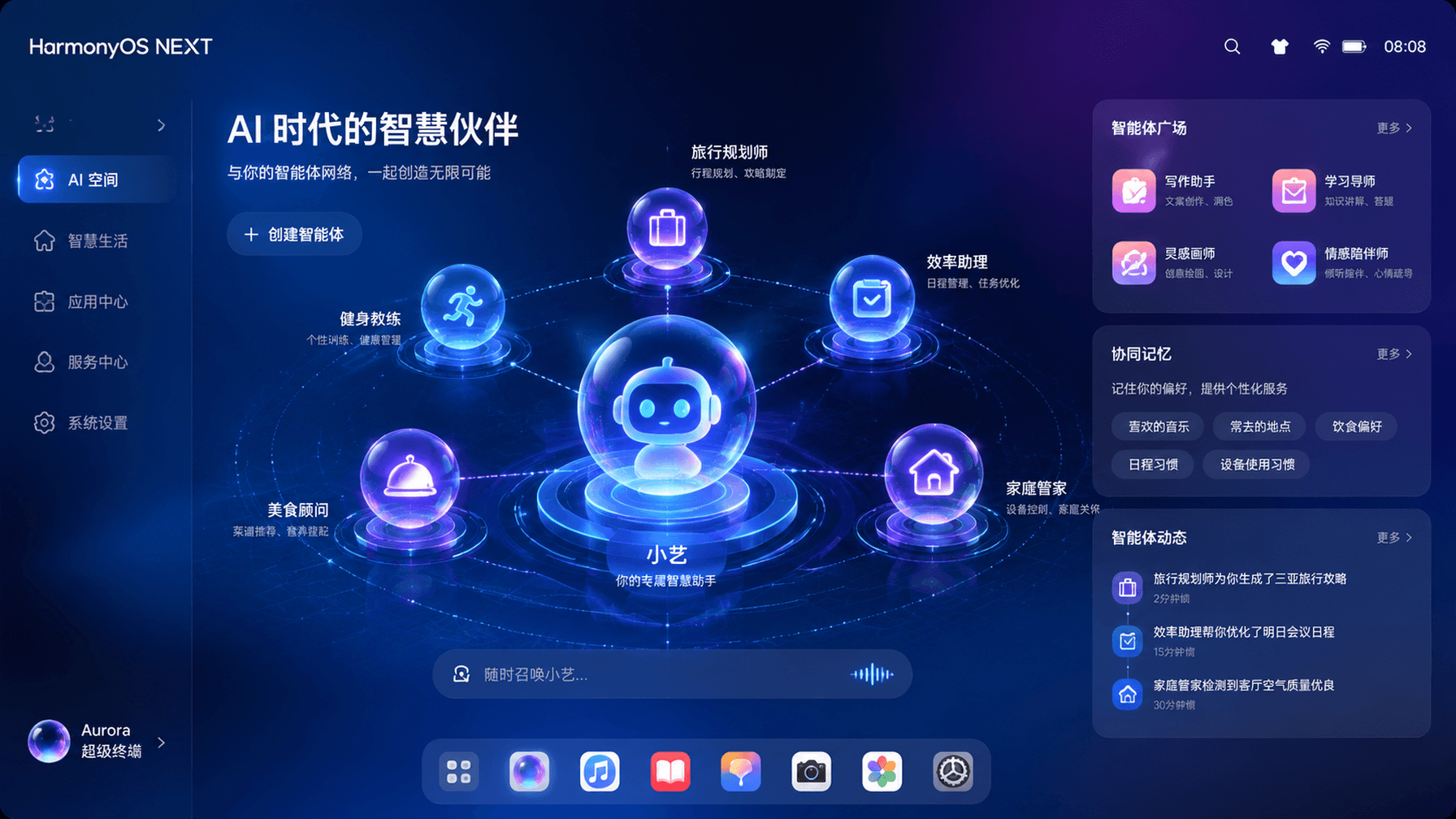
HDC 2026: HarmonyOS Transforms Into an Agent-First Operating System
At HDC 2026, Huawei unveiled the most significant transformation of HarmonyOS since its inception: a complete architectural shift to an Agent-native operating s...
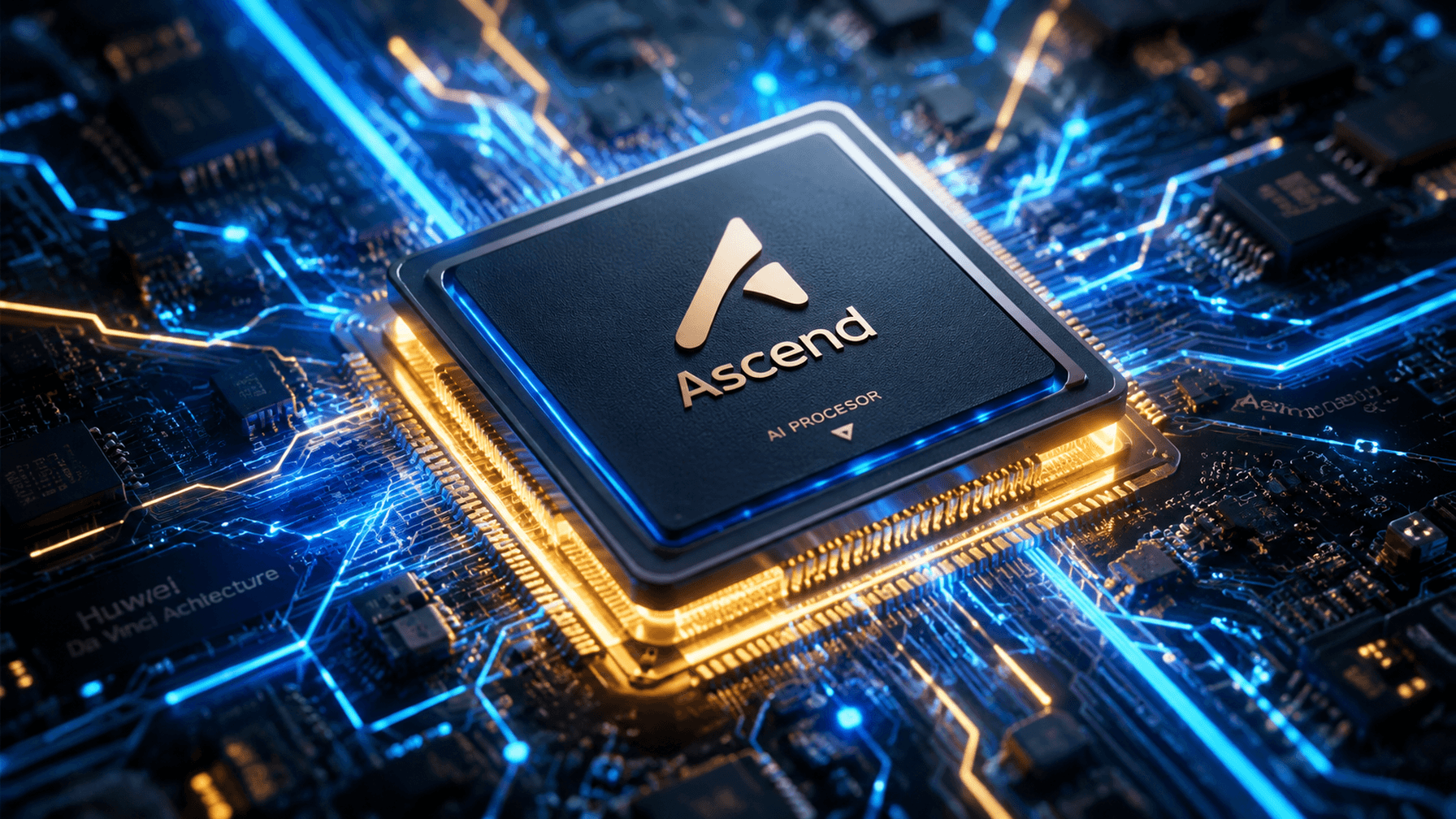
DeepSeek V4 and Huawei Ascend 950DT: The Co-Designed Chip That Cut AI Inference Costs by 75%
A groundbreaking trace-level analysis by Wall Street research firm SemiAnalysis has revealed that DeepSeek V4 and Huawei Ascend 950DT AI accelerator were co-des...
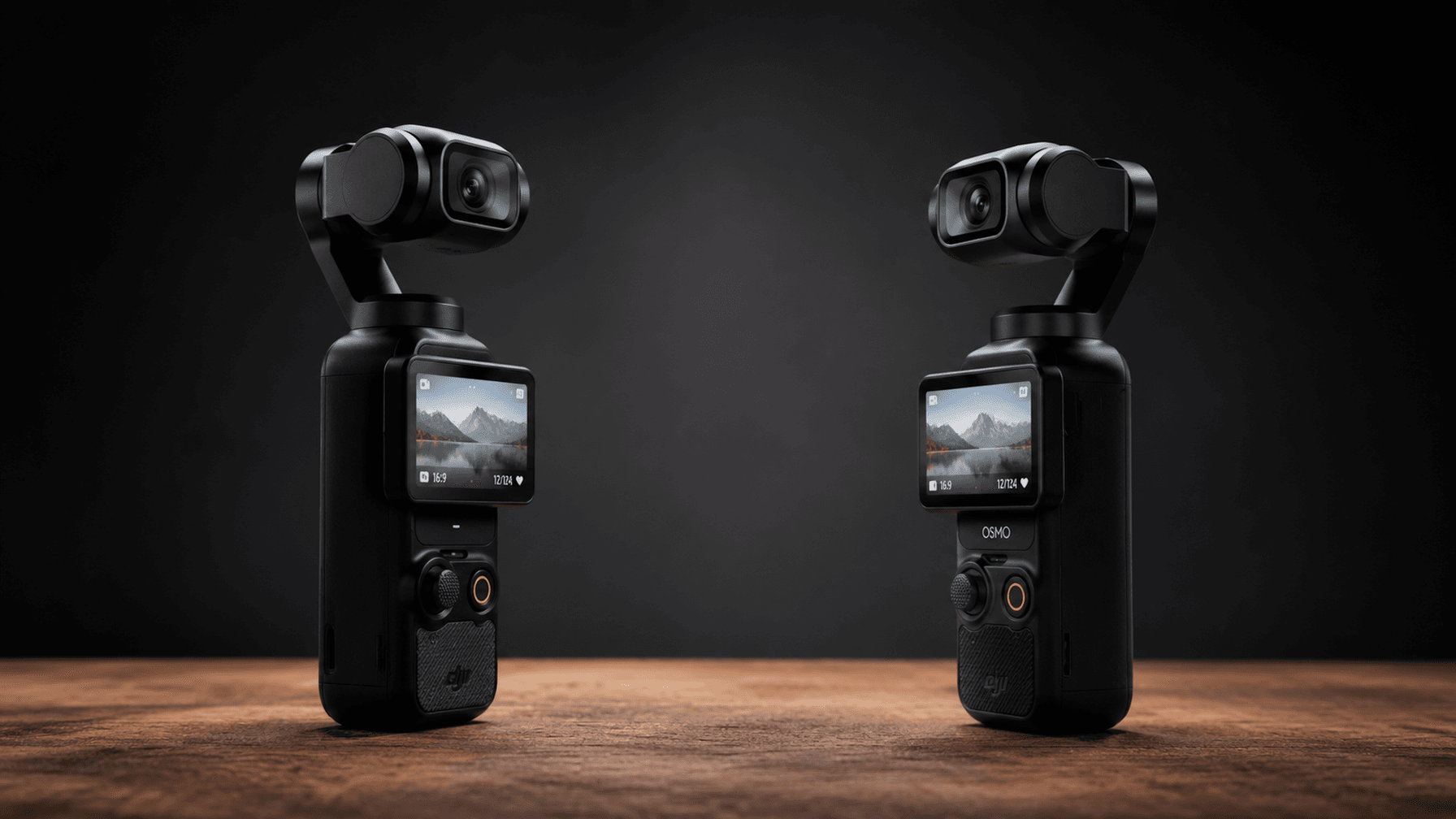
Total War: DJI and Insta360 Battle on Products, Patents, and Two Continents
The simmering rivalry between China two leading camera hardware companies has erupted into open conflict on three fronts simultaneously: product launches, paten...
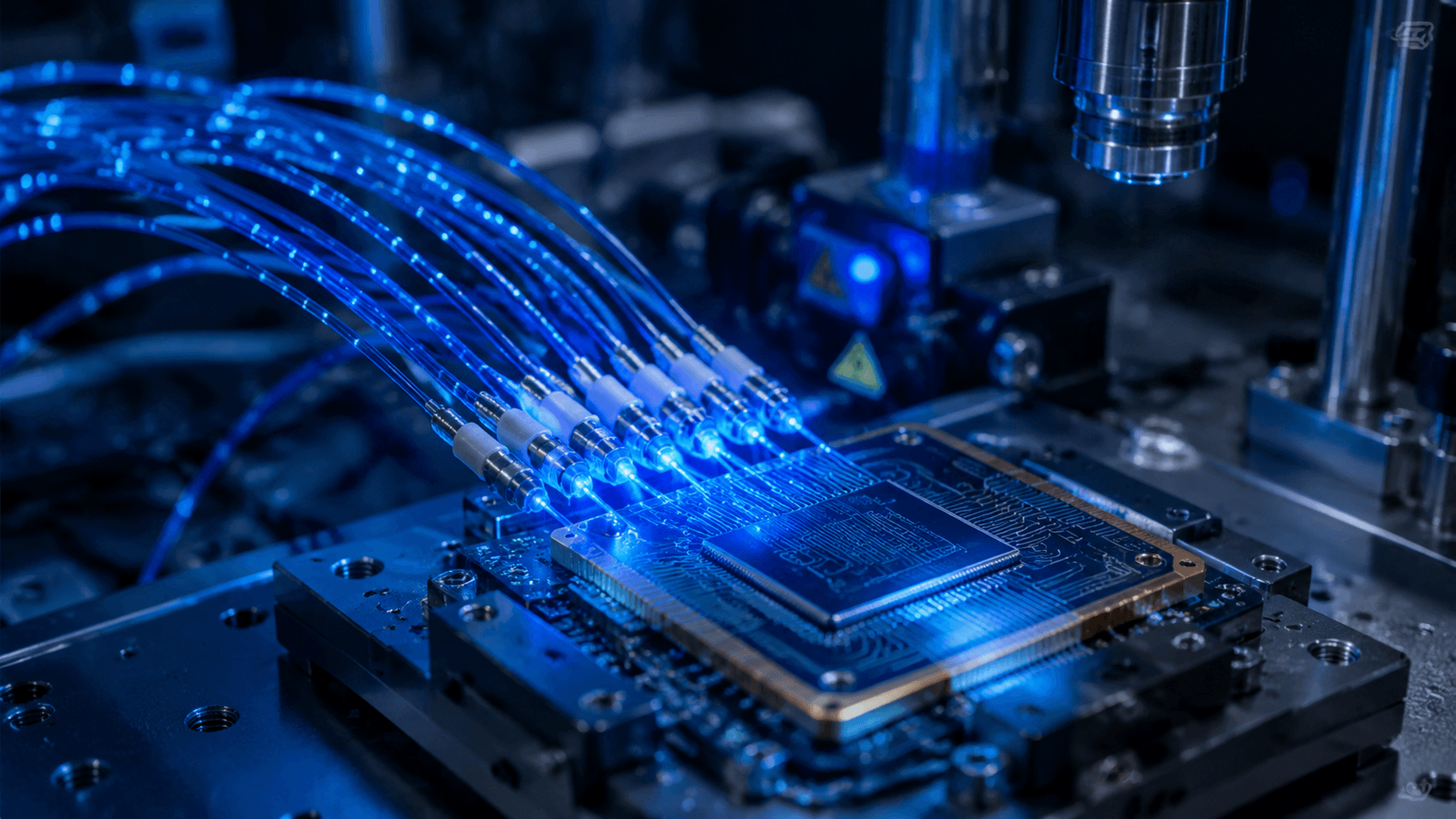
China Optical Chip Industry Faces a Golden Window for High-End Upgrades
China optical chip industry is approaching what industry executives are calling a golden window for breaking into high-end manufacturing, driven by the insatiab...