An Ancient Sea Once Split North America Down the Middle. The Beautiful Multicolored Ammonite Shells From Its Waters Are So Perfectly Preserved That They Still Shimmer Today
Spectacular marine fossils tell the story of the long-gone Western Interior Seaway and the planet’s past aquatic life
/https://tf-cmsv2-smithsonianmag-media.s3.amazonaws.com/filer_public/79/1b/791bc42a-4527-4646-a6f1-f435460f9649/untitled.jpg)
Ammonites swam in the Western Interior Seaway that once covered a large portion of North America. These iridescent fossils from South Dakota, around 69–72 million years old, preserve inner shell layers made of aragonite, the same mineral that gives pearls their luster. Phillip R.
Lee / Smithsonian's National Museum of Natural History South Dakota has no oceanfront. The landlocked state is more than a thousand miles from both the Pacific and the Atlantic, and a rural spot within its borders is regarded as the “continental point of inaccessibility” from the ocean. And yet, signs of the salty water are still there, enclosed in rocks laid down by a long-vanished seaway that once split North America in two.
Back then, more than 70 million years ago, what’s now prairie was a warm sea full of marine lizards, knife-toothed sharks and gorgeous coil-shelled ammonites jetting through the sunny waters. Some of those shining cephalopod shells are now part of an exhibition at the Smithsonian’s National Museum of Natural History called “From These Lands,” which showcases hundreds of specimens and artifacts from across the United States. While fossils such as shark teeth and prehistoric corals can certainly be found along America’s coasts, ocean has touched every part of the country at some time or another in the deep past.
“We find marine fossils in every single state,” says Stewart Edie, a paleobiologist and curator at the museum. “It’s fascinating that you can walk through Minnesota and you can find fossils of starfish.” This fossil sea star, Hudsonaster narrawayi, lived 457–449 million years ago, when warm, shallow seas covered much of what is now Minnesota.
Phillip R. Lee / Smithsonian's National Museum of Natural History These fossils are remnants of times very different from our own. The South Dakota ammonite shells come from a period when leathery-winged pterosaurs still flew through the air and immense dinosaurs still trod through forests.
In the seas, the now extinct shelled cephalopods proliferated in huge numbers, often serving as food for the large aquatic reptiles of the time. But the ammonites selected for the display did not become a mosasaur’s lunch. The shells are so delicately preserved that they continue to shine.
“They still have this iridescent sheen to them,” Edie says, because of the material ammonites used to make their shells. Many ammonite shells were at least partly composed of nacre, he notes, which is the same material that creates oyster pearls. The material, also known as mother-of-pearl, refracts and bounces light back.
The fossilization process allowed the mother-of-pearl to be better exposed than it would have been during the ammonite’s life, Edie explains. The water that the South Dakota ammonites jetted through, the Western Interior Seaway, existed for more than 30 million years. Around 100 million years ago, during the hothouse world of the Cretaceous, sea levels rose to the point that ocean water spilled down the middle of North America—from the Arctic Ocean down to what’s now the Gulf Coast.
The waters were relatively shallow, no more than 3,000 feet deep compared with the average ocean depth of around 12,000 feet now, but they hosted so much life that paleontologists to this day find gigantic seagoing reptile specimens in Kansas and reef-building clams the size of toilet seats in Utah. And all this life isn’t just ancient history: The fossil-filled rocks eroded to the nourishing soils that allowed the Midwest to become so agriculturally important. The seaway eventually vanished as the planet cooled during the end of the Cretaceous and as polar ice formed.
Sea levels dropped, and the two split subcontinents finally joined by land in what we now recognize as North America. Fun fact: Ammonite eating habits Even though some ammonites grew to be about six feet across, these shelled sea creatures, the extinct relatives of the modern squid and octopus, fed on small prey such as plankton. Researchers are constantly unearthing new fossils from the layers of the long-lost Western Interior Seaway.
Fort Hays State University paleontologist Amanda Peng notes that “countless” discoveries of mosasaurs have been made in Kansas and surrounding states. With such a large sample, she says, experts can better study how the anatomies and diets of the various seagoing lizard species that lived in those waters differed. “I have a student working on understanding bending strength in mosasaur mandibles,” Peng says, and that helps scientists learn more about “the larger picture of mosasaur ecology.”
The continent’s rocks don’t only hold the remains of this one sea. Thanks to continental drift, changing sea levels and the nature of fossil-bearing rock formation, America’s geologic layers contain the vestiges of various bodies of water from before the time of the Cambrian explosion through the Ice Age. Paleontologists and amateur fossil hunters can find traces of some of the earliest animal life in the deserts
Đọc thêm từ Khoa học
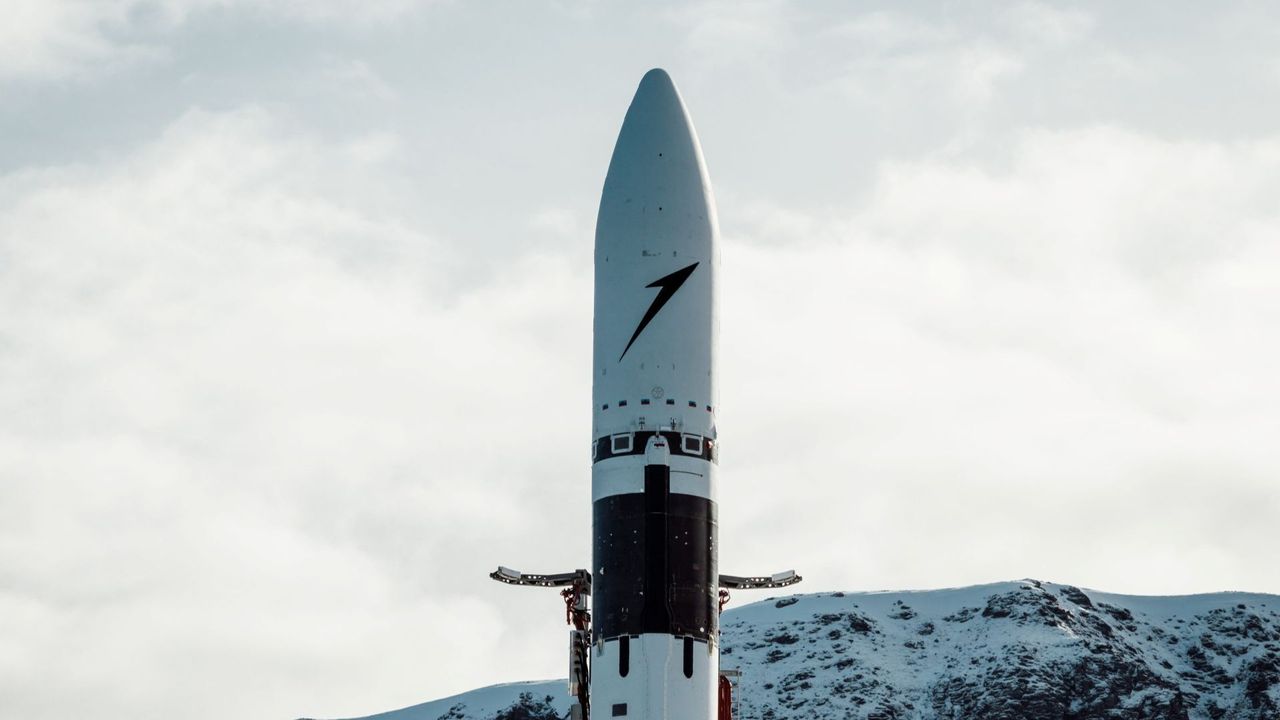
Launching from 2 continents: Germany's Isar Aerospace leases Canadian pad for $150 million
German company Isar Aerospace is expanding its operations overseas after signing an agreement with Canada's Maritime Launch Services for use of its Spaceport Nova Scotia.
/https://tf-cmsv2-smithsonianmag-media.s3.amazonaws.com/filer_public/14/c1/14c1a3ac-716d-44fc-9da8-31f3877e3405/syl4508b_1.jpg)
In the Latest Brazen Heist, Jewelry and Artworks Worth $5 Million Were Stolen From a Famed French Designer's Museum
A trio of burglars stole 27 pieces, including a dragonfly pendant, from the Lalique Museum in eastern France
China’s Long March 10B rocket successfully launches—and lands—in a global spaceflight milestone
The inaugural launch and first-stage booster recovery of China’s Long March 10B rocket intensifies the nation’s spaceflight rivalry with the U.S.
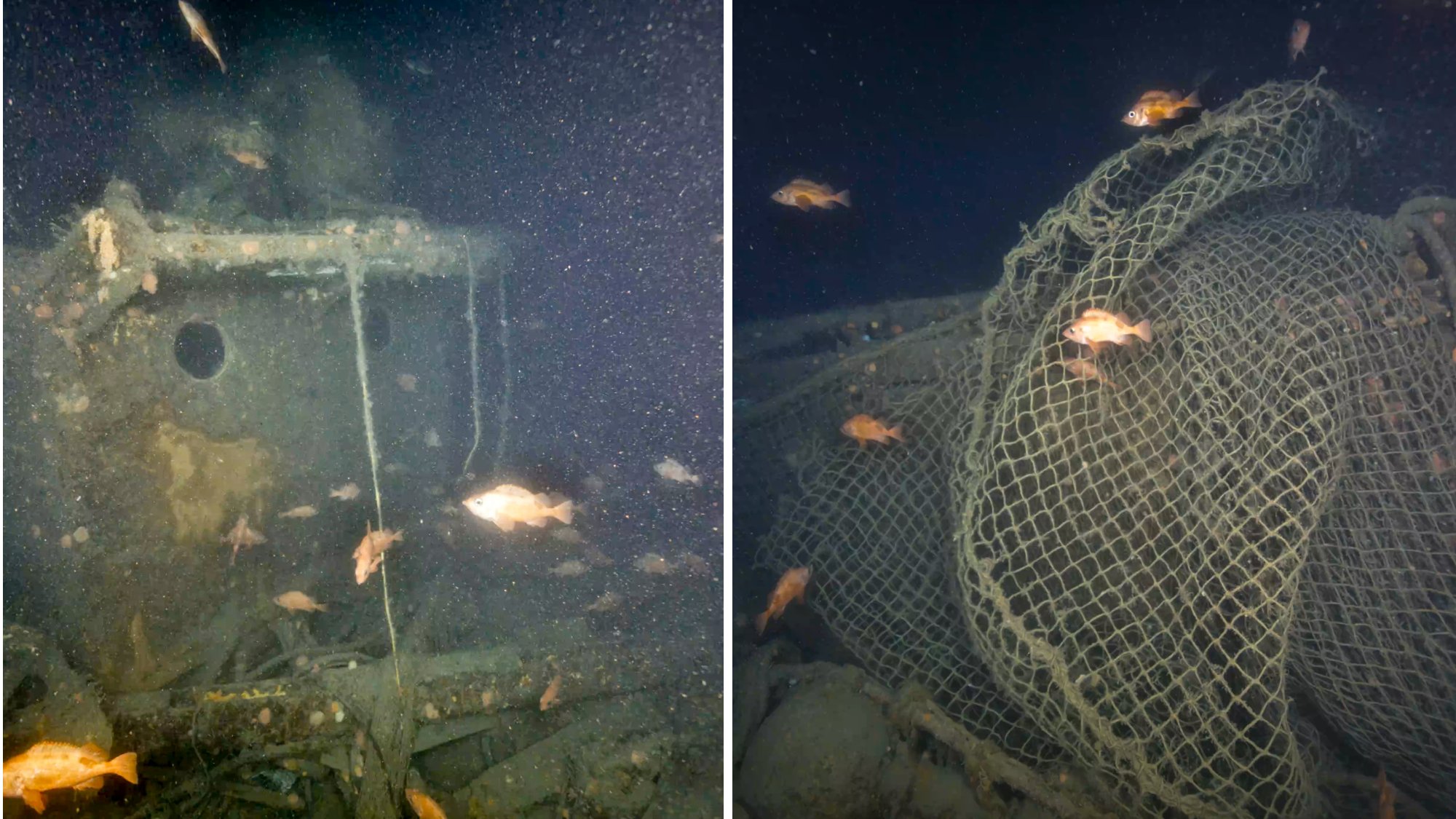
Deep sea submersibles snap first photos of ship where Ernest Shackleton died
One of the remotely operated vehicles also discovered the Titanic 40 years ago. The post Deep sea submersibles snap first photos of ship where Ernest Shackleton died appeared first on Popular Science.