‘Defanging’ Aung San: Myanmar’s generals wage war on memory
Across Myanmar, the statues are vanishing one by one. Military-backed authorities blame “incorrect proportions and shapes”. Unofficially, analysts see a deliberate attempt to erase the presence of independence hero Aung San from public life – and with it, the legitimacy of the el
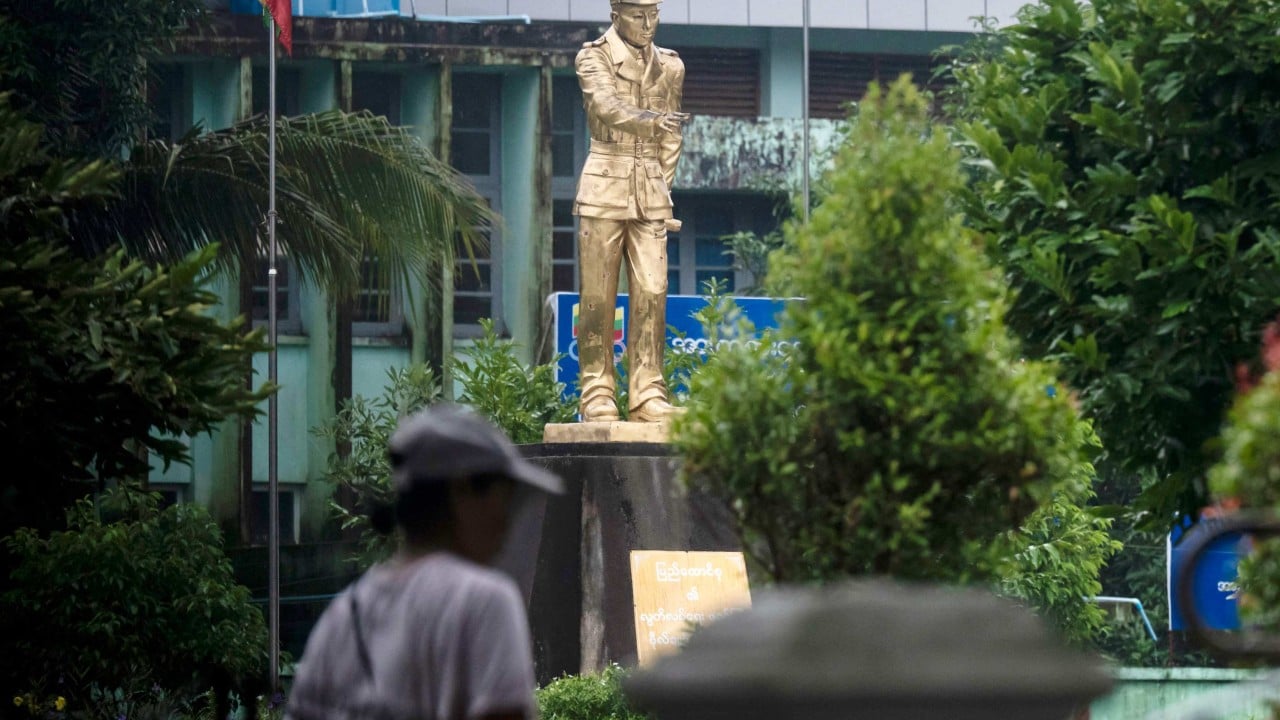
AdvertisementMyanmarThis Week in AsiaPeople‘Defanging’ Aung San: Myanmar’s generals wage war on memoryRemoving statues of the country’s founding father appears aimed at stripping democratic legitimacy from his daughter, Aung San Suu Kyi3-MIN READ3-MIN ListenMaria SiowPublished: 10:00am, 26 Jul 2026Across Myanmar, the statues are vanishing one by one. Military-backed authorities blame “incorrect proportions and shapes”. Unofficially, analysts see a deliberate attempt to erase the presence of independence hero Aung San from public life – and with it, the legitimacy of the elected government the junta overthrew.
Revered as the country’s founding father, Aung San founded its military, united its diverse ethnic groups and spearheaded the nationalist movement that ultimately wrested independence from British colonial rule.In the eight decades since his assassination months after brokering the historic 1947 Panglong Agreement that laid the groundwork for modern Myanmar, his statues have watched over the nation he never got to lead – many being erected during the brief democratic interlude when his daughter, Aung San Suu Kyi, governed through her National League for Democracy, before the military seized power again in February 2021.The statues’ removal now is an attempt to “diminish” Aung San’s legacy, according to James Char, an assistant professor specialising in Asian history and international relations at Singapore’s S.
Rajaratnam School of International Studies.He said it was a project that would take years to complete, “if it can succeed at all”, adding that “any tangible benefits” for Min Aung Hlaing – the general turned president now courting regional recognition after an election widely discredited as a sham – would be slow to arrive.Myanmar’s President Min Aung Hlaing (right) and Lao counterpart Thongloun Sisoulith inspect a guard of honour during a welcoming ceremony in Vientiane on July 3.
Photo: Myanmar’s Presidential Press and Information Bureau/AFPMin Aung Hlaing’s ongoing outreach efforts, mending fences with Thailand and Laos and deepening ties with China and India, rely on a version of history analysts say the statues contradict.AdvertisementSelect VoiceSelect Speed0.8x0.
9x1.0x1.1x1.
2x1.5x1.75x00:0000:001.
00x
Đọc thêm từ Tài chính

Why new US tariffs threaten Trump government’s credibility in Asean
A new wave of US tariffs that hit seven Southeast Asian countries is set to reinforce perceptions of Washington as an unreliable partner to the region, according to analysts. Citing what it said were forced labour practices uncovered in its latest investigations, the US on Thursd

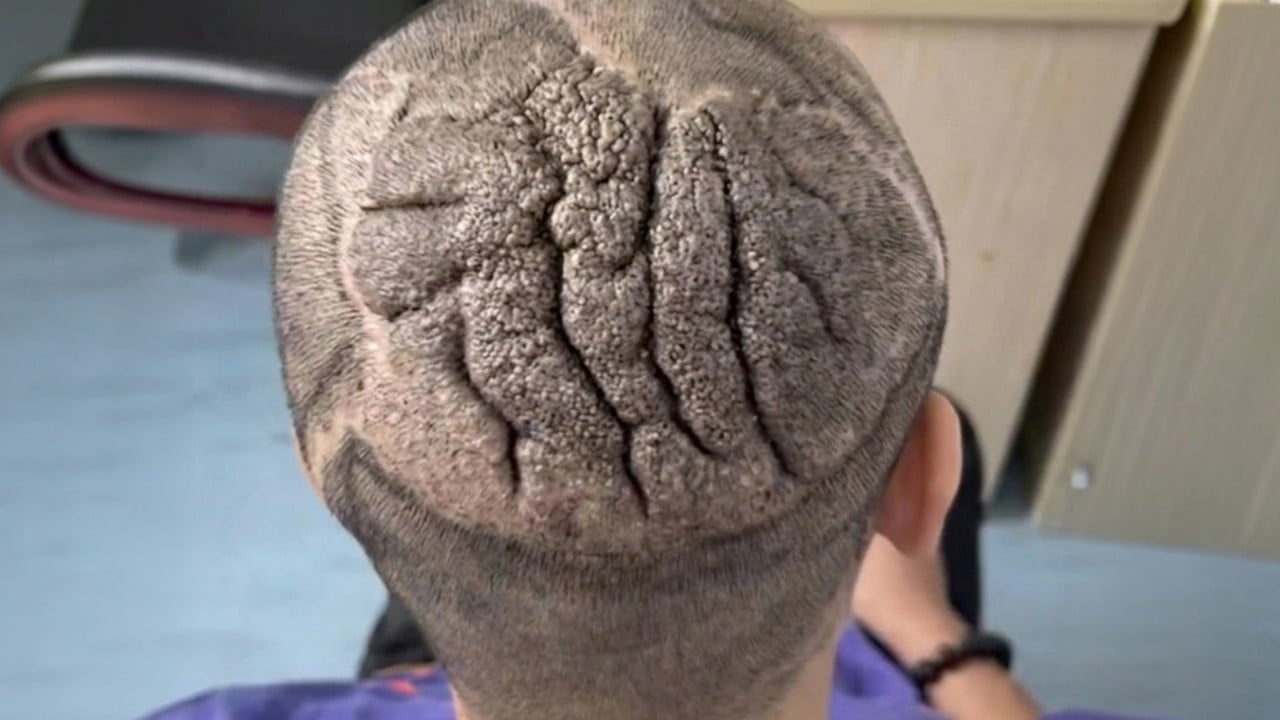
Rare medical condition causes Chinese man’s scalp to thicken and fold, resembling human brain
A man from central China had long been troubled by a thickening scalp that developed folds resembling the creases of a brain, but he eventually found a plastic surgeon who could address his condition. The 23-year-old man from Hunan province, surnamed Li, recently had his issue re
How Chinese scientists created an alloy that can survive 2,400 degrees Celsius
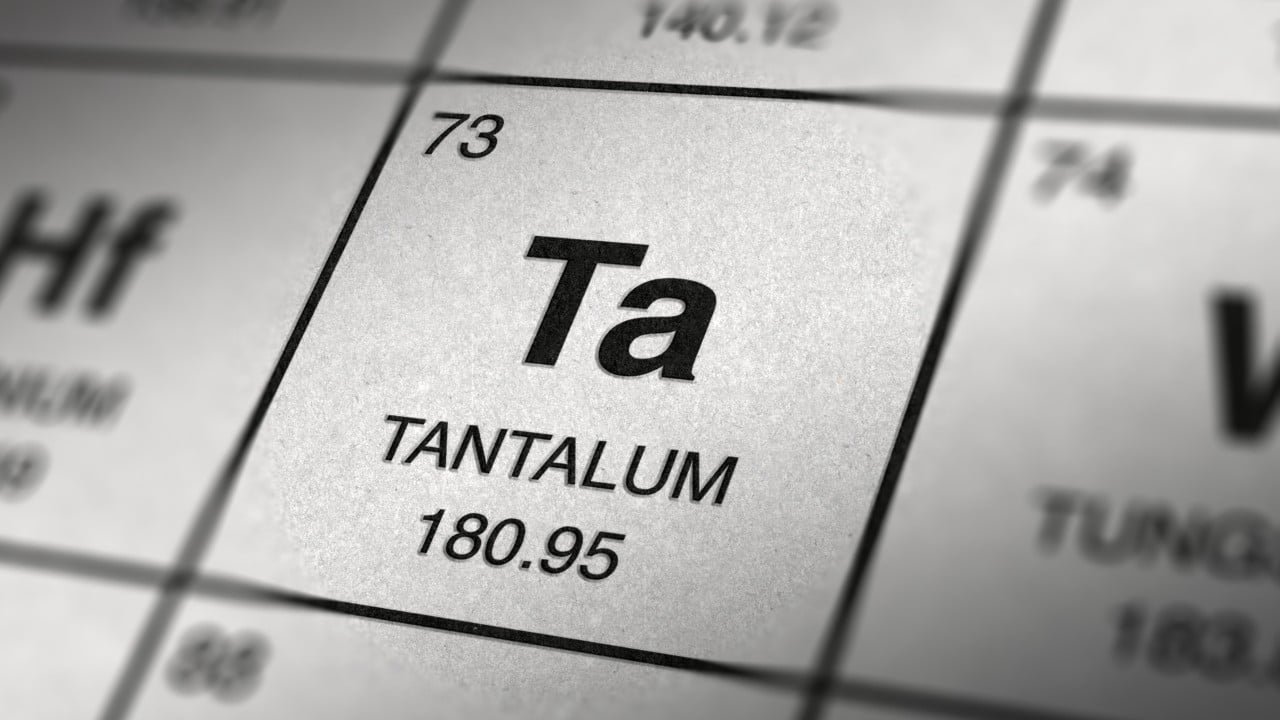
A team of Chinese scientists says it has developed an alloy that retains strength at ultra-high temperatures using tantalum – a very hard and flexible metal. For applications in aerospace, hypersonic vehicles and nuclear reactors, materials must endure both extreme heat and heavy